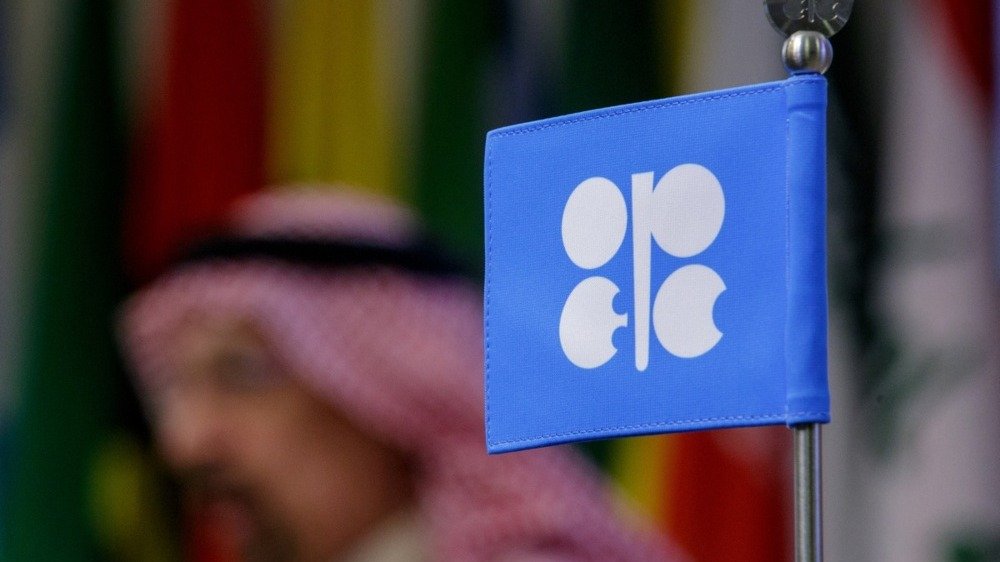
The United Arab Emirates has announced that it will withdraw from OPEC and the wider OPEC+ alliance, with the exit taking legal effect on May 1, 2026, after which it will be free to set its own oil production levels. Both government-aligned and opposition sources agree that the UAE intends to keep investing in its energy sector and continue supplying fuel to global markets, and that the initial direct impact on oil prices and export volumes is expected to be limited given current production and export constraints.
Across both types of coverage, there is agreement that OPEC and OPEC+ are central institutions in coordinating oil output and stabilizing prices among major producers, and that the UAE’s decision marks a significant strategic shift away from collective quota-based management. Both sides frame the move as part of a broader long-term recalibration of energy policy in response to global demand trends, with implications for price regulation mechanisms that have underpinned the oil market for years, including the role of large producers such as Russia within the OPEC+ framework.
Areas of disagreement
Motives and strategic framing. Government-aligned outlets portray the withdrawal as a sovereign, forward-looking strategic and economic decision designed to align production policy with the UAE’s long-term development vision and evolving global energy demand. Opposition outlets, by contrast, stress that the timing and manner of the move signal frustration with collective production limits and a desire to break free from OPEC+ price-discipline, suggesting deeper structural tensions within the alliance than the UAE publicly acknowledges.
Market impact and risk. Government coverage emphasizes continuity and stability, underscoring official assurances that the UAE will remain a responsible supplier and that the exit will not undermine global market stability or cooperation with partners. Opposition sources highlight potential downside risks, warning that the move could weaken OPEC+ cohesion, shift price regulation dynamics, and eventually trigger an oversupply that drives prices lower and rattles global markets.
Geopolitical consequences. In government narratives, the decision is framed as a technical adjustment in production governance that preserves constructive relations with OPEC members and key partners, with little direct geopolitical disruption. Opposition outlets foreground geopolitical stakes, especially for Russia, arguing that a less coordinated OPEC+ could erode Russia’s oil revenues and budget, and may herald a broader recalibration of alliances and influence within the global energy order.
In summary, government coverage tends to normalize the UAE’s departure as a controlled, strategic evolution that preserves stability and cooperation, while opposition coverage tends to present it as a potentially destabilizing move that exposes rifts in OPEC+, threatens existing price-management structures, and carries significant risks for major producers such as Russia.