April 28, 2026
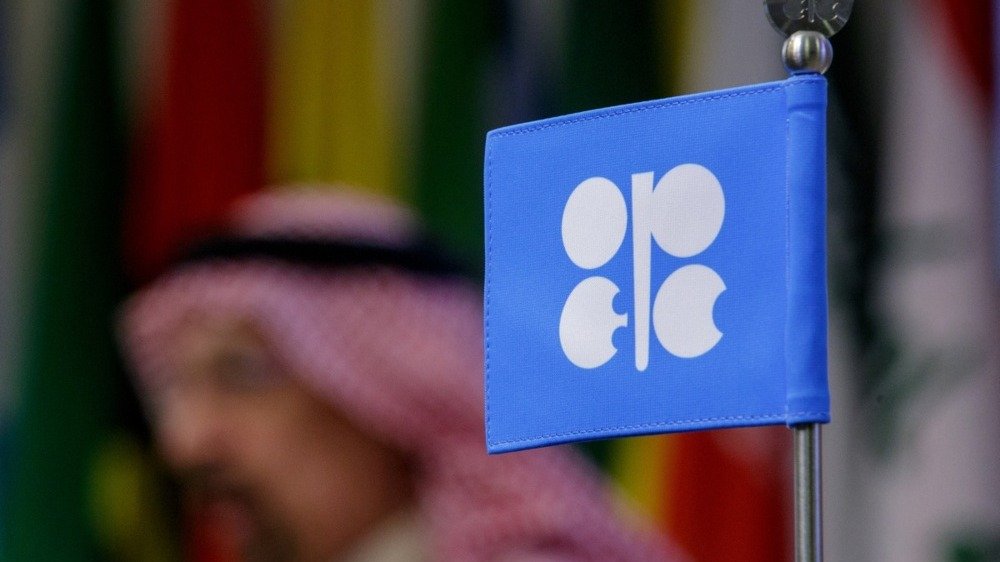
UAE's exit from OPEC could shake global markets and hit the Russian budget, experts believe
What happened. The United Arab Emirates announced its withdrawal from the Organization of the Petroleum Exporting Countries (OPEC) and OPEC+. From May 1, the UAE will be able to independently decide how much oil to produce and sell without regard to quotas set by the organization. How this will affect the markets. In the short term, the UAE's exit from OPEC+ has minimal significance for the global market, Tatiana Mitrova, an expert at the Center for Global Energy Policy at Columbia University, told "Novaya-Europe." According to her, the Emirates are currently limited in oil exports – the Strait of Hormuz is blocked, and the bypass pipeline is fully loaded and pumps about 1.8 million barrels of oil per day. Before the conflict, the country exported 2.7 million barrels per day and produced 3.4 million. Analysts at "Promsvyazbank" note that the current oil deficit against the backdrop of the blockade of the Strait of Hormuz is keeping prices at a high level. However, the UAE's decision is a break from the previous price regulation system. And as soon as the conflict ends, the market will face an excess of oil, which usually leads to a price decrease. However, Sergey Vakulenko, a senior researcher at the Berlin Carnegie Center, notes that oil prices may remain high for about another year, despite the UAE's exit from OPEC+. As countries will have to replenish reserves depleted since February. How this will affect the Russian budget. Mitrova notes that if one of the most ambitious producers leaves the quota regime, then the ability to manage the market becomes weaker. And this will lower oil prices. Leading analyst at Freedom Finance Global, Natalia Milchakova, also writes about this risk. According to her, what is dangerous for Russia is not the UAE's exit from OPEC+ itself, but the possible collapse of the alliance, which will be followed by a long period of declining oil prices. However, Milchacova notes that by leaving OPEC, the UAE can still be a partner of Russia and participate in voluntary oil production cuts.
TL;DR
- The UAE is withdrawing from OPEC and OPEC+ starting May 1st.
- This allows the UAE to independently determine oil production and sales volumes.
- Short-term market impact is considered minimal due to current export constraints.
- Experts anticipate a potential oil surplus and price decrease once conflicts ease.
- The move could weaken OPEC+'s ability to manage the market.
- This decision poses a risk to the Russian budget due to potential oil price declines.
Continue reading the original article