
government
Ukrainian forces exploiting Telegram data for battlefield intel
Ukrainian forces can exploit Telegram data for military purposes, Russia’s Federal Security Service has claimed
3 months ago
Russian government-aligned and opposition sources agree that Russian authorities, through Roskomnadzor and security agencies such as the FSB, have progressively restricted Telegram’s functionality since mid‑2025, including throttling the service and partially blocking voice calls, while openly discussing a possible full block around April 1. Both sides report that officials justify these measures by citing Telegram’s alleged non‑compliance with Russian law: refusal or delays in removing content deemed illegal, failure to store data on Russian territory, and insufficient cooperation with law‑enforcement. They also concur that senior officials, including the digital development minister, have publicly claimed foreign intelligence services and Ukrainian military structures can access Russian users’ Telegram correspondence and battlefield posts, putting Russian servicemen at risk by exposing positions and movements. Both acknowledge that Telegram, for its part, has massively expanded content takedowns, blocking hundreds of thousands of Russian channels and millions globally for violating either Russian law or its internal rules.
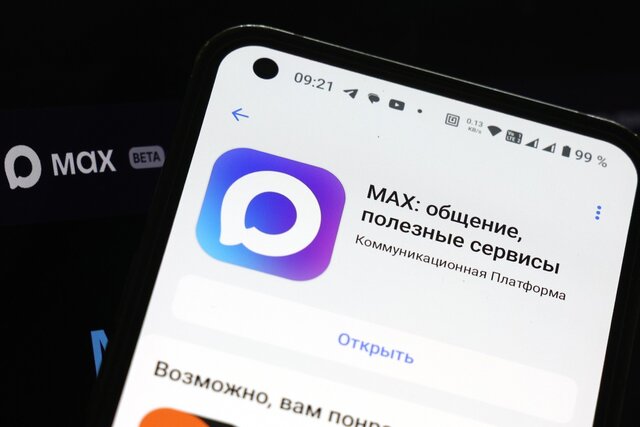
Opposition and government-aligned outlets also broadly agree on key contextual elements: Telegram is simultaneously a critical communications tool for civilians, the military, and state bodies, and a major conduit for political information. Both sides describe a long‑running struggle between Russian authorities and large foreign‑linked digital platforms, with Telegram now positioned alongside other Western services facing data‑localization, tax, and content‑moderation demands. They each note that Russian officials frame the current campaign as part of a wider push to strengthen digital sovereignty, regulate AI and personal data, and promote domestic alternatives, while some state institutions, including the presidential press service, nonetheless keep using Telegram via technical workarounds like VPNs. Both perspectives place the Telegram dispute in a broader history of Russian information control efforts and recognize that any blocking or degradation of the messenger has tangible operational implications for the war, internal security, and everyday communication.
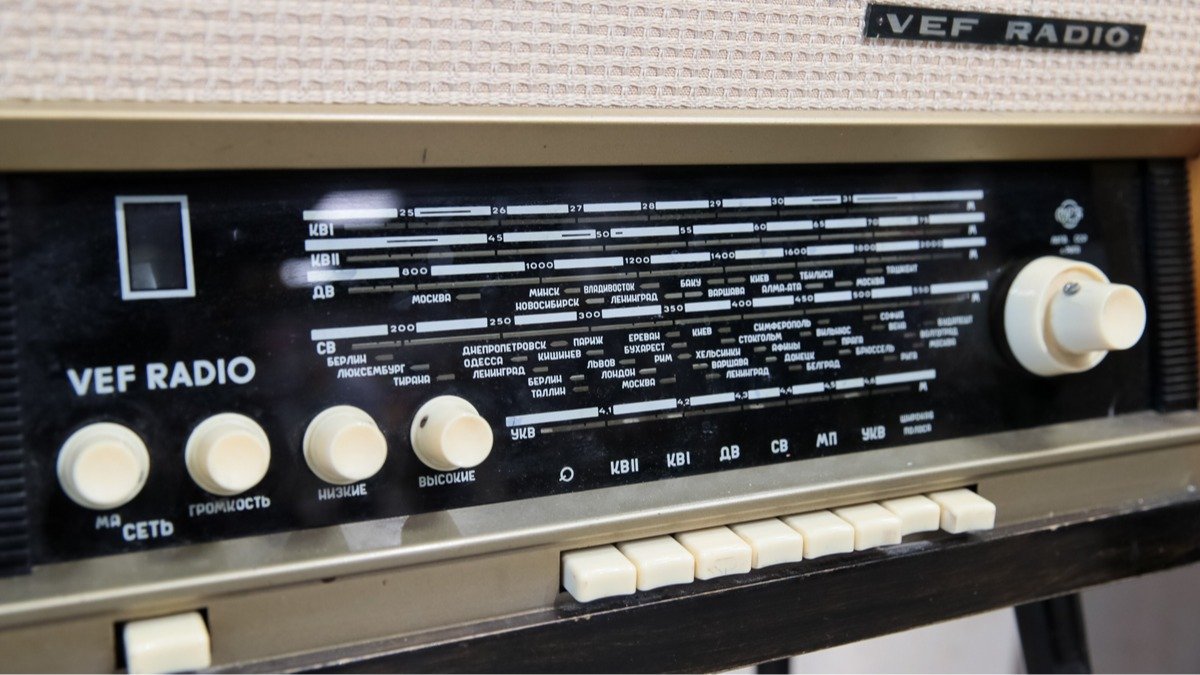
Motives and framing of restrictions. Government-aligned outlets emphasize that restrictions on Telegram are primarily driven by national security, protection of personal data, and the need to stop terrorism, child exploitation, and criminal use of the platform, portraying state actions as reluctantly defensive and technically measured. Opposition outlets largely accept that these justifications are being cited but argue that the underlying motive is political control over information flows, drawing parallels with Soviet-era efforts to jam foreign radio and portraying the crackdown as a modern form of censorship. While state media foregrounds the legalistic narrative of enforcing federal law and closing foreign intelligence “backdoors,” opposition coverage highlights the inconsistency of officials who still rely on Telegram and VPNs, suggesting the main aim is to curb undesirable content rather than genuinely secure users.
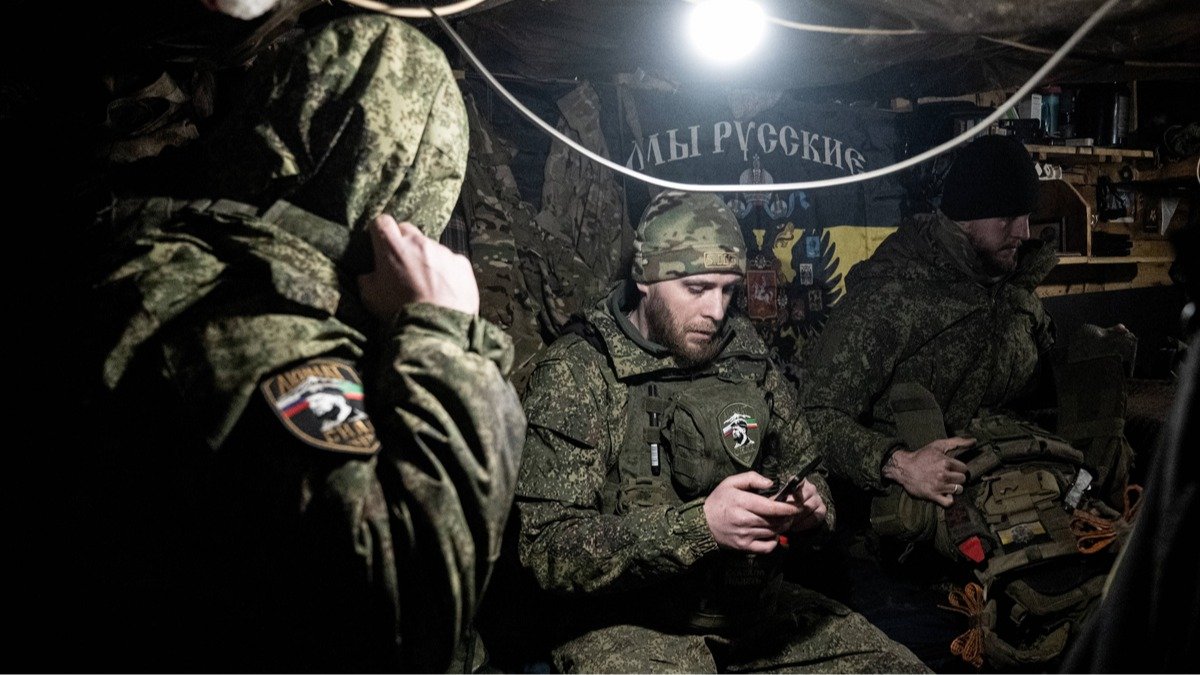
Impact on the military and security. Government sources stress that Telegram’s misuse in the combat zone has repeatedly endangered Russian troops, asserting that Ukrainian forces and foreign intelligence can access frontline posts, rapidly process them, and use them for targeting, which justifies throttling and technical limits as a way to save lives. Opposition outlets, while acknowledging communication risks, focus more on how disruptions to Telegram and the loss of services like Starlink degrade Russian command and control, slow offensives, and contribute to operational setbacks at the front. For government-aligned media, the messenger is portrayed as a vulnerability exploited by enemies; for opposition media, the restrictions themselves are framed as self-inflicted damage that hampers the Russian side more than it protects it.
Characterization of Telegram and its founder. Government-aligned reporting presents Telegram as a platform that has long violated Russian law and been insufficiently cooperative, with the FSB accusing Pavel Durov of putting profit above public safety and enabling criminality, yet some officials still suggest that full compliance is feasible within weeks if a legal entity, tax payments, and data storage in Russia are arranged. Opposition outlets give greater weight to the adversarial history between Durov and Russian security agencies, treating the FSB’s break in contacts and harsh rhetoric as evidence of a power struggle over control of a strategic information channel rather than a neutral law-enforcement dispute. State narratives thus elevate Durov as a negligent actor who can and should submit to Russian regulation, whereas opposition coverage frames him more as a target of state pressure amid a broader clampdown on independent and foreign-linked platforms.
Scope and effectiveness of control. Government sources underline that a large-scale cleanup is already under way, citing hundreds of thousands of channels blocked in Russia and millions worldwide, a reported decrease in Russian data leaks, and pending legislation to better regulate AI and digital platforms, implying that state policy is gradually making the internet safer and more orderly. Opposition outlets question the real effectiveness of these measures, pointing to historical precedents where costly jamming campaigns failed to fully block foreign broadcasts and noting that even the Kremlin’s own press service uses VPNs to bypass restrictions, suggesting that determined users and institutions will continue to circumvent controls. Where government-aligned media depict a tightening but rational regulatory environment that can bring Telegram into compliance without necessarily banning it, opposition media portray a contradictory and technologically leaky system whose attempts at information control are both repressive and ultimately limited.
In summary, government coverage tends to present the Telegram restrictions as a necessary, law‑based response to serious security threats and platform non‑compliance that can be resolved if Telegram accepts Russian jurisdiction, while opposition coverage tends to depict the same restrictions as politically motivated, strategically counterproductive censorship efforts that expose state hypocrisy and highlight the limits of Russia’s capacity to control digital information flows.