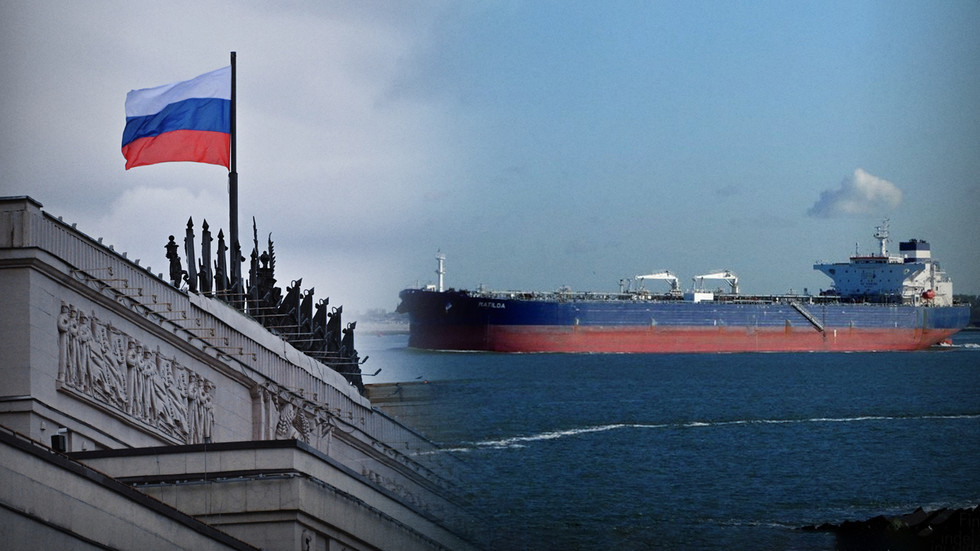
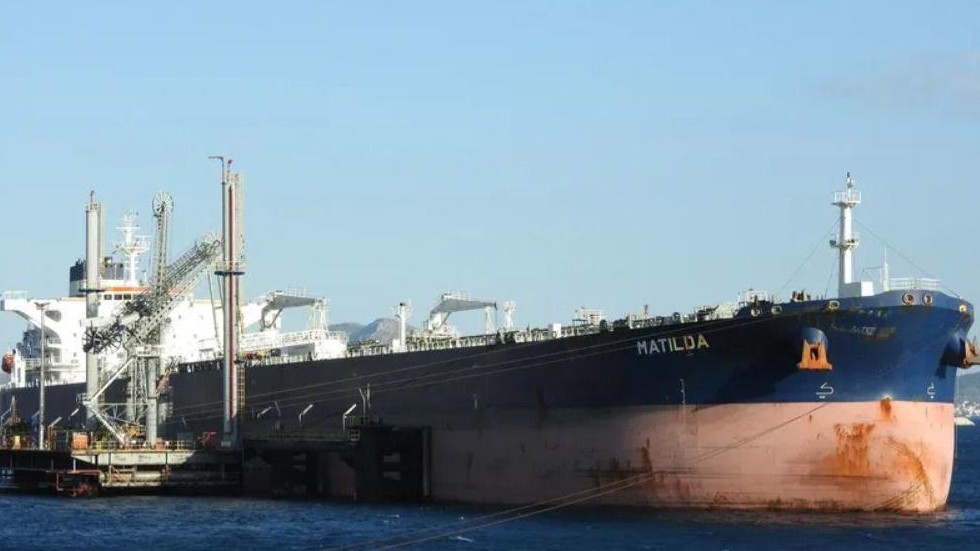
Drone attacks have targeted multiple commercial oil tankers in the Black Sea near Russia’s Yuzhnaya Ozereyevka/CPC marine terminal area, affecting vessels linked to Kazakh and Greek interests. Both government and opposition-aligned sources agree that at least three to four tankers, including the Kazakh-commissioned Matilda and several Greek-owned ships such as Delta Harmony and Delta Supreme, were struck by drones while en route to load or while awaiting loading of crude destined for export via the Caspian Pipeline Consortium system. The incidents occurred in international waters roughly 100 km off the Russian coast near Anapa, caused only minor structural damage, left the ships seaworthy, and resulted in no crew injuries or oil spills because the cargo tanks were either empty or carrying non-crude cargoes at the time of impact. Both sides also concur that Russia publicly attributes the attacks to Ukraine and that Ukrainian officials have not issued a formal claim of responsibility, though Ukrainian sources have acknowledged related operations in the broader campaign against Russia-linked commercial shipping.
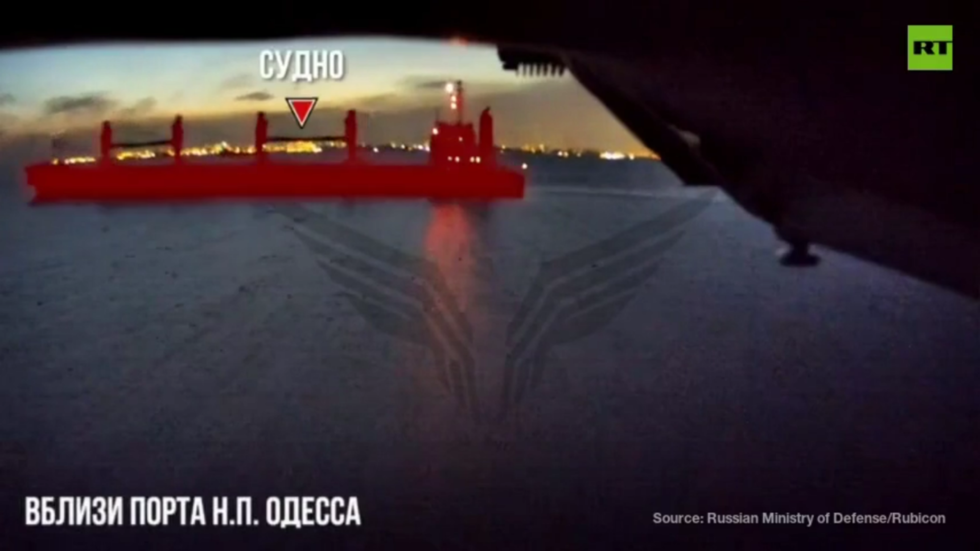
Both camps describe these strikes as part of a broader pattern of attacks on commercial vessels tied to Russian trade through the Black Sea and CPC infrastructure, linking the events to the ongoing war in Ukraine and economic pressure on Russian oil exports. They reference the Caspian Pipeline Consortium as a key conduit for Kazakh crude routed via Russian ports, noting the presence of foreign-flagged tankers chartered by Kazakhstan’s state-linked companies and Greek shipowners. Coverage on both sides situates the events within a tit-for-tat dynamic in which Ukrainian maritime drone strikes on Russian-linked ships have led to Russian vows of retaliation, and they acknowledge that Moscow subsequently showcased video of a Russian drone strike on a vessel near Odessa framed as a response. The shared context highlights growing risks to commercial shipping, the involvement of state-owned or state-affiliated energy firms, and the possibility of further escalation around vital export corridors that serve both Russian and Kazakh oil flows.
Points of Contention
Responsibility and blame. Government-aligned outlets present Ukrainian forces as clearly responsible for the drone attacks on the Matilda and other tankers, citing statements from Kazakh subsidiaries, prior Ukrainian strikes on CPC assets, and Russian official accusations to depict a deliberate Ukrainian campaign against commercial shipping. Opposition sources, while noting that Russia blames Ukraine and mentioning Ukrainian intelligence-linked hints, stress the absence of an official Ukrainian claim and describe Kyiv’s role as alleged rather than proven, emphasizing ambiguity over direct accountability. Government coverage thus frames the attacks as unlawful aggression by Ukraine against neutral or partner commercial assets, whereas opposition reporting underscores the evidentiary gaps and the fog of war around attribution.
Nature of the targets and their neutrality. Government-oriented media underline that the Matilda and other affected tankers were commissioned by Kazakhstan’s state oil company or chartered for Kazakh crude, highlighting their role as civilian, foreign-owned carriers serving a partner country’s exports and implying they should be off-limits. Opposition outlets emphasize that the Greek-owned tankers were bound for a Russian Black Sea terminal that handles both Russian and Kazakh oil, framing them as part of infrastructure that ultimately supports Russia’s wartime revenue streams. While government sources stress the neutral, noncombatant status of these vessels to portray the strikes as attacks on innocent shipping, opposition coverage tends to portray them as commercial extensions of Russia’s energy export system and therefore more politically exposed.
Framing of escalation and retaliation. Government media heavily feature Moscow’s narrative of "retaliation" by publicizing Russian drone strikes on a vessel near Odessa as a justified response to Ukrainian attacks on Russian-linked commercial ships, portraying Russia as enforcing red lines to protect trade. Opposition coverage treats Russian retaliatory strikes as an escalation that broadens the conflict to civilian maritime traffic and warns that tit-for-tat blows risk normalizing attacks on merchant vessels across the Black Sea. Government accounts frame Russia’s actions as measured and defensive within an existing pattern of Ukrainian provocations, whereas opposition outlets frame them as widening the war’s impact on global shipping and energy markets.
Strategic significance and risk portrayal. Government-aligned reporting acknowledges heightened risks but generally downplays long-term disruption, echoing Russian leaders’ assurances that such attacks will not deter Russian or Kazakh oil exports and presenting shipping as resilient. Opposition sources highlight the vulnerability of Greek-owned fleets and international shipping to becoming collateral in the Russia–Ukraine confrontation, stressing that even minor damage reveals how easily global energy flows can be jeopardized and insurance costs pushed higher. Government outlets therefore project continuity and control over export routes, while opposition outlets stress uncertainty, increased commercial risk, and potential for cascading economic consequences.
In summary, government coverage tends to present the drone attacks as clear Ukrainian aggression against neutral commercial tankers and to emphasize Russia’s justified, controlled retaliation and the resilience of export routes, while opposition coverage tends to stress uncertain attribution, the entanglement of Russian trade interests, and the broader escalation of risks to international shipping and energy security.
Story coverage