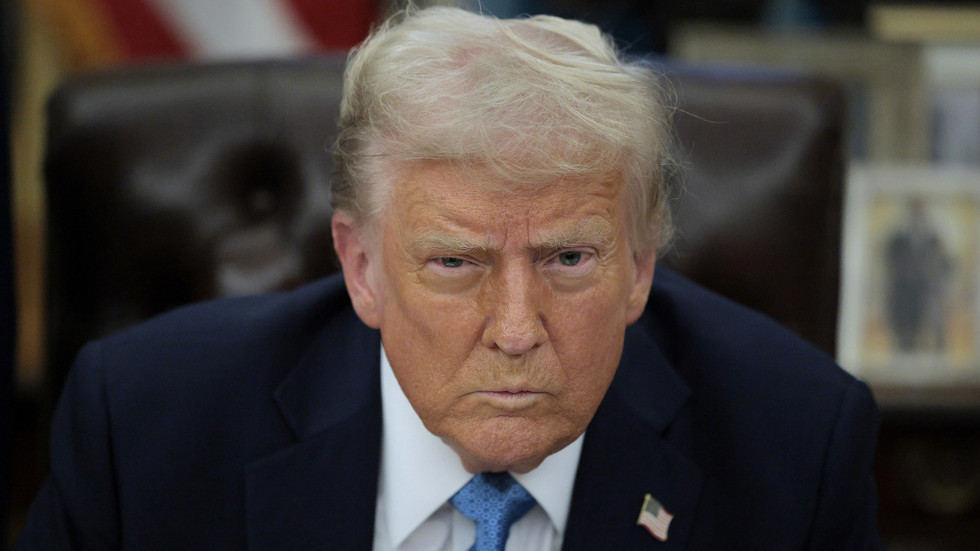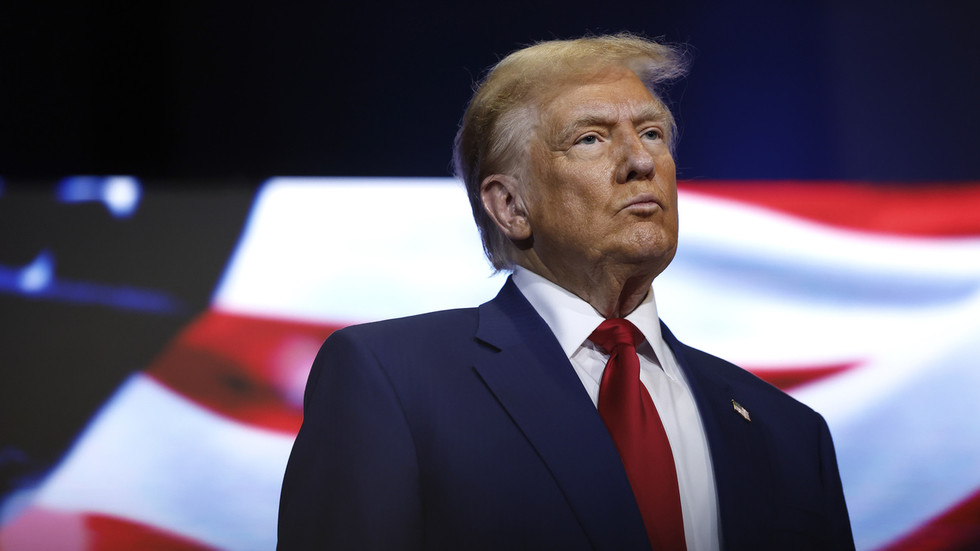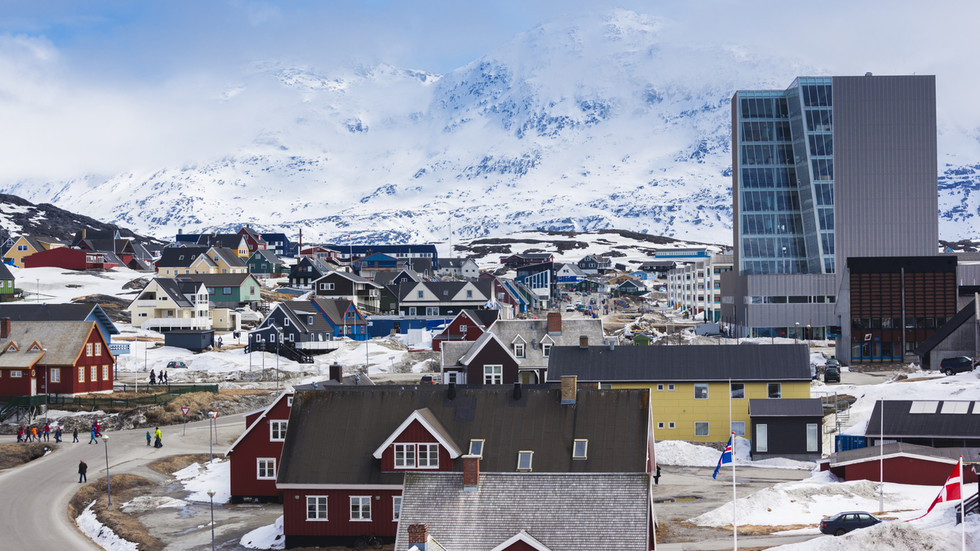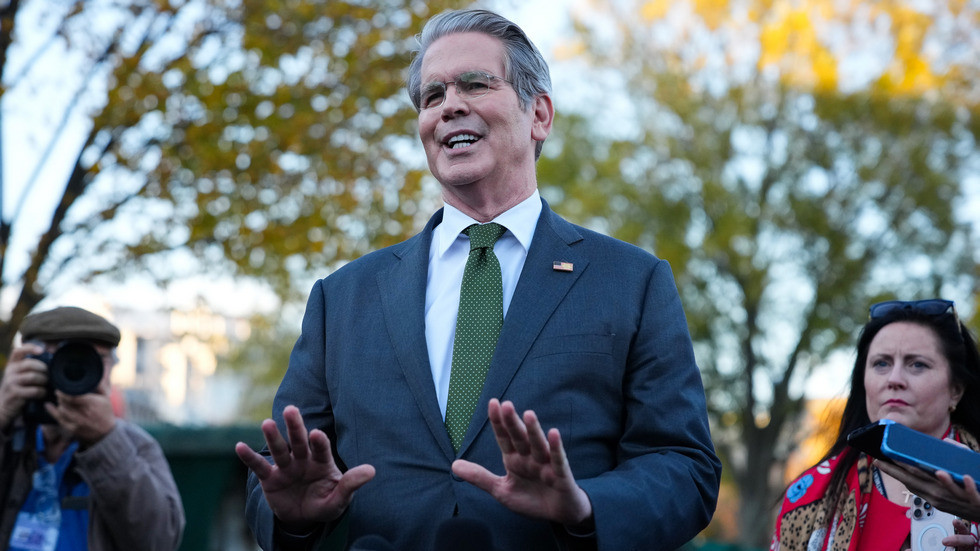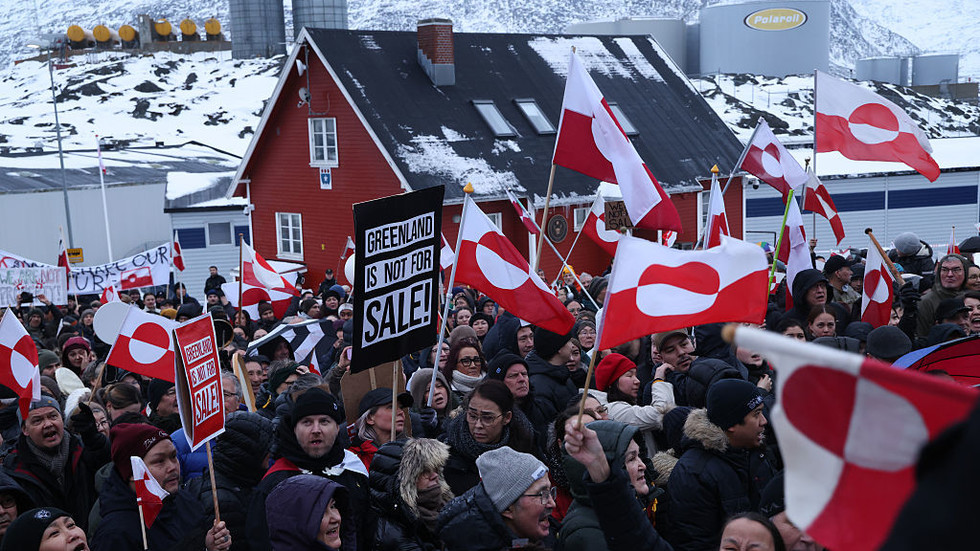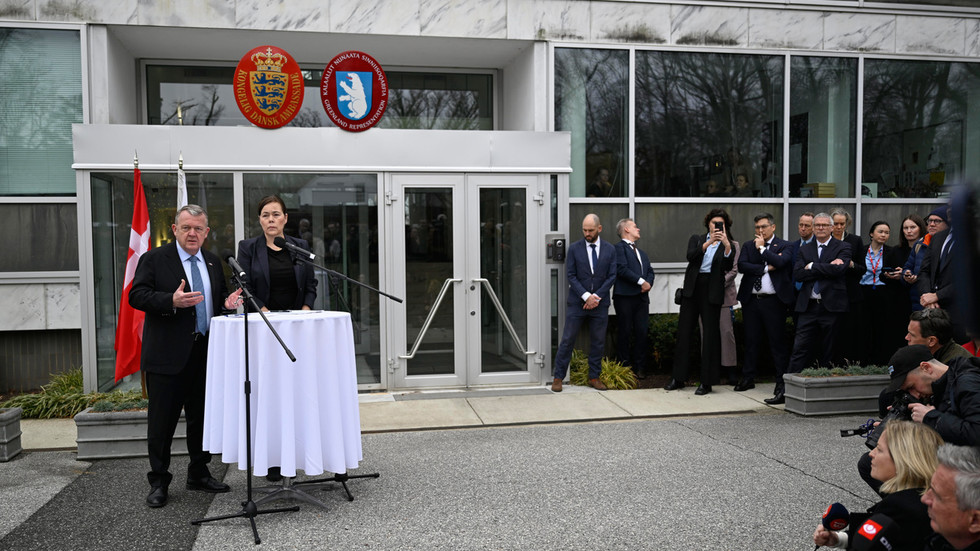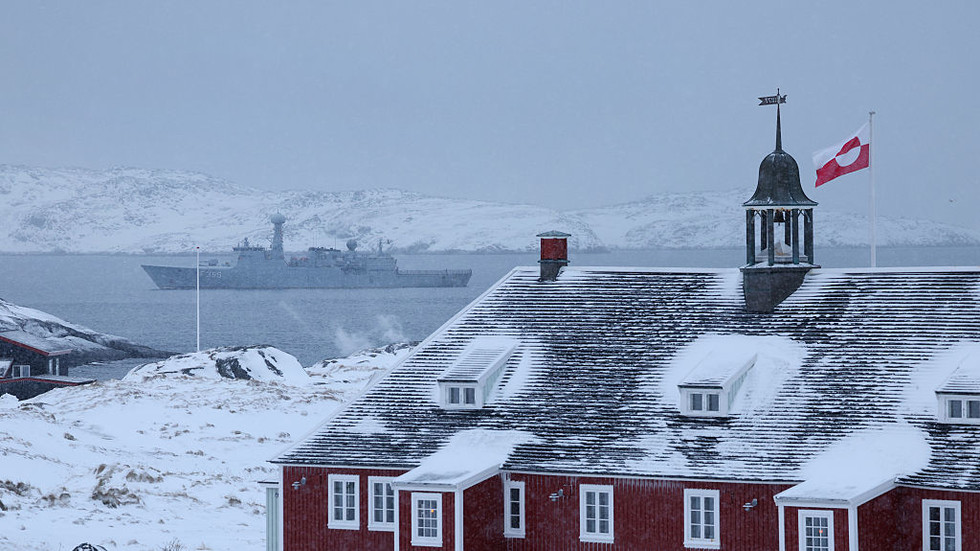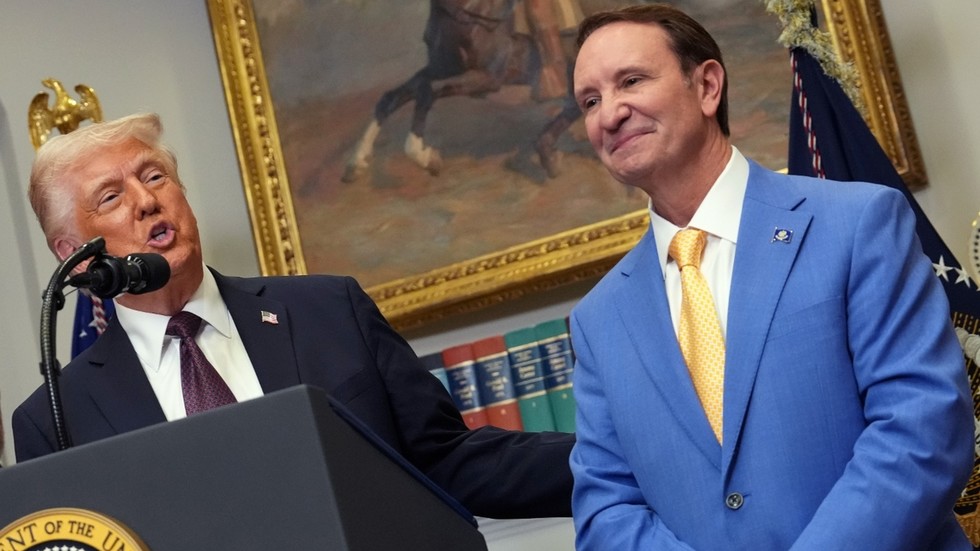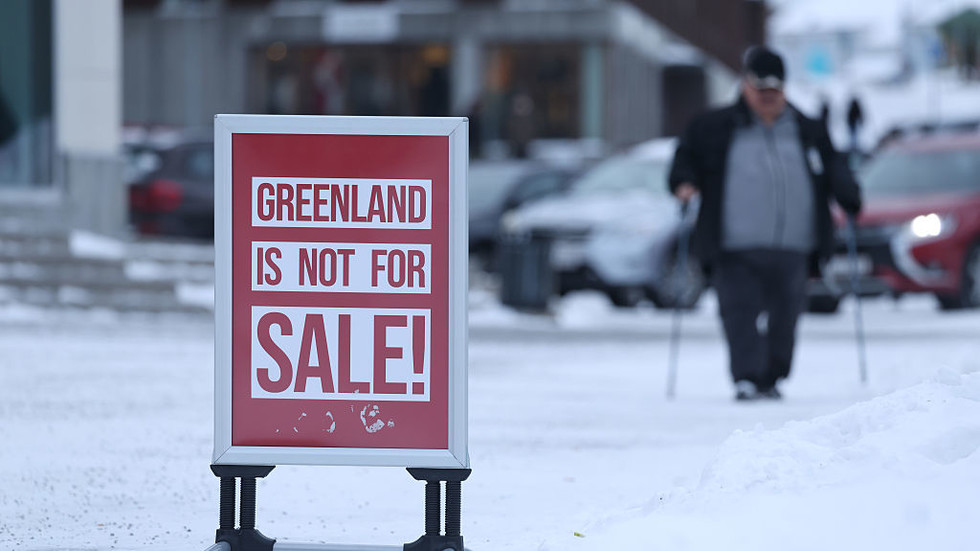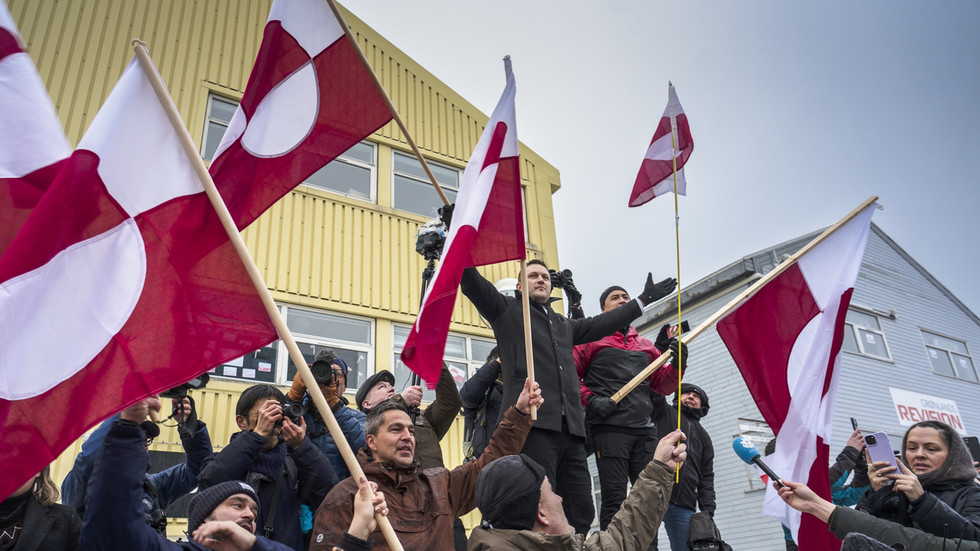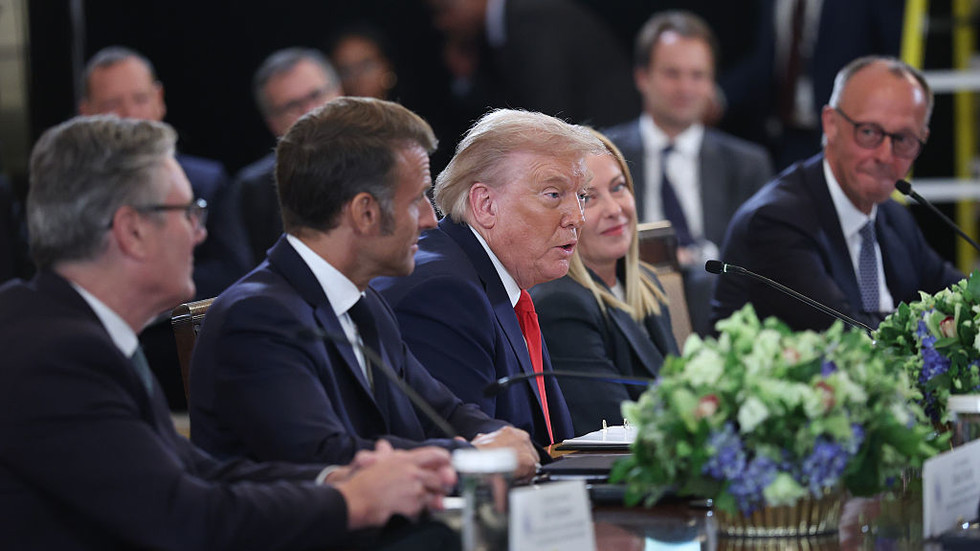
Trump's pursuit of acquiring or otherwise securing control over Greenland has triggered a cascade of diplomatic, political, and military responses spanning Washington, Copenhagen, Nuuk, and wider Europe. Across government-aligned coverage, there is agreement that Trump and senior US officials have repeatedly framed Greenland as strategically indispensable for national security in the Arctic and in competition with Russia and China, and that this push has involved threats of tariffs, linkage to energy exports, and demands that European allies fall into line. The reports consistently describe Denmark and Greenlandic authorities publicly rejecting any sale or annexation, mass demonstrations in Nuuk and Copenhagen opposing US control, and a series of tense high-level talks that ended with what both sides call a fundamental disagreement. There is shared factual reporting that Denmark, often in cooperation with NATO allies, is beefing up its military presence in Greenland, that European leaders have set up rapid-response coordination (the so‑called Washington Group) to handle unpredictable US moves, and that various European states have been hit with or threatened by US tariffs in connection with the Greenland dispute.
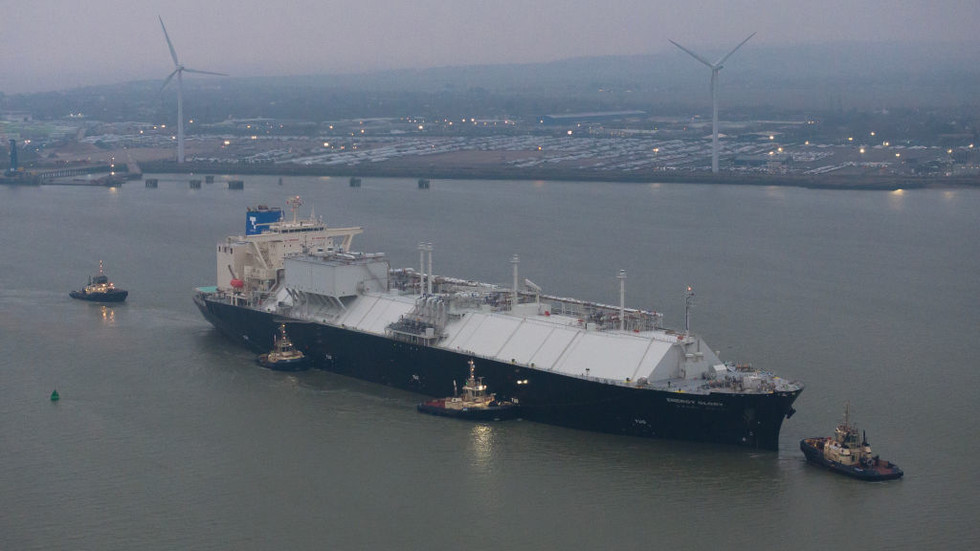
Coverage also converges on the broader institutional and historical context surrounding the dispute. Greenland is presented as a self-governing territory within the Kingdom of Denmark whose status and sovereignty are grounded in long-standing international recognition and post–World War II arrangements, and whose people have recently reaffirmed self-governance. NATO is treated as the primary framework for Arctic security cooperation, with US, Danish, and other allied forces already operating from or near Greenland under existing defense agreements, while the Ukraine conflict and sanctions on Russia are repeatedly cited as a backdrop that has made the Arctic and energy supply routes more strategically salient. Reports emphasize that the EU’s shift away from Russian gas toward US natural gas has created new dependencies that intersect with the Greenland dispute, and that tensions over tariffs and energy leverage are straining transatlantic relations. It is also commonly noted that the US has conducted or sought intelligence on Danish bases and infrastructure in Greenland, that Denmark has tightened security practices (such as restrictions on Bluetooth use by officials), and that both Danish and Greenlandic leaders stress the principle that only Greenlanders can decide their future, even as they prepare contingency plans for potential crises.
Points of Contention
Motives and legitimacy of the US bid. Government-aligned sources tend to describe Trump’s pursuit of Greenland as a mix of vanity, transactional geopolitics, and an aggressive bid for territorial expansion dressed up as national security, often highlighting rhetoric about “owning” Greenland and ultimatums to European partners. Opposition-oriented accounts, where they exist, are more inclined to accept the strategic logic at face value, emphasizing Arctic defense, early warning systems, and competition with Russia and China as serious reasons for seeking greater control. Government-leaning narratives highlight the clash with international norms and the right to self-determination, while opposition narratives more often frame the initiative as hard-nosed realism in an emerging great-power contest.
Characterization of Denmark and Greenland’s stance. Government coverage typically underscores Denmark’s and Greenland’s refusal as principled, rooted in international law, centuries of recognized sovereignty, and democratic self-governance, and it portrays mass protests and survival-gear buying as authentic popular resistance. Opposition-leaning perspectives, by contrast, are more likely to cast Denmark as a potentially obstructionist middle power clinging to status and underinvesting in Arctic defense, sometimes echoing claims that Denmark is effectively “occupying” Greenland or failing to protect it adequately. Where government-aligned outlets stress Copenhagen’s and Nuuk’s right to say no, opposition outlets emphasize their security dependence on the US and question whether their position is sustainable in a more militarized Arctic environment.
Framing of NATO and European allies. In government narratives, NATO and the EU appear as institutions strained by Washington’s unilateralism, with tariffs, ultimatums over Greenland, and energy leverage depicted as exposing the alliance’s internal crisis and Europe’s vulnerability. Opposition accounts tend instead to stress long-standing European “weakness” in confronting Russia and argue that US insistence on Greenland reflects a necessary rebalancing of burdens and strategic control within NATO. While government-aligned reporting highlights European leaders’ backchannel coordination to contain Trump’s “wild” foreign policy, opposition-leaning coverage more often faults European capitals for indecision and overreliance on the US security umbrella.
Security threats and escalation. Government-aligned sources emphasize the alarming nature of talk about preparing for a possible US attack, the surge in survival-gear purchases, and revelations about US spying on Danish facilities, framing them as evidence that Trump’s Greenland push is destabilizing and potentially escalatory. Opposition viewpoints, where present, tend to downplay the likelihood of open conflict, treating such preparations as worst-case contingency planning and focusing instead on the need for robust US basing and intelligence to deter Russia and China. Government reports tend to present tariffs, surveillance, and military pressure as erosion of allied trust, whereas opposition analysis is more inclined to view them as tough tools in a high-stakes strategic negotiation.
In summary, government coverage tends to frame Trump’s Greenland campaign as a destabilizing, norm-breaking assertion of US power that undermines allied trust and Greenlandic self-determination, while opposition coverage tends to treat it as a strategically rational, if blunt, effort to secure vital Arctic territory and correct what it sees as European weakness.
Story coverage