
government
Kiev destabilizes global energy market by attacks against oil storages in Tuapse
The oil from the storage facility was intended for export operations, Dmitry Peskov emphasized
2 days ago
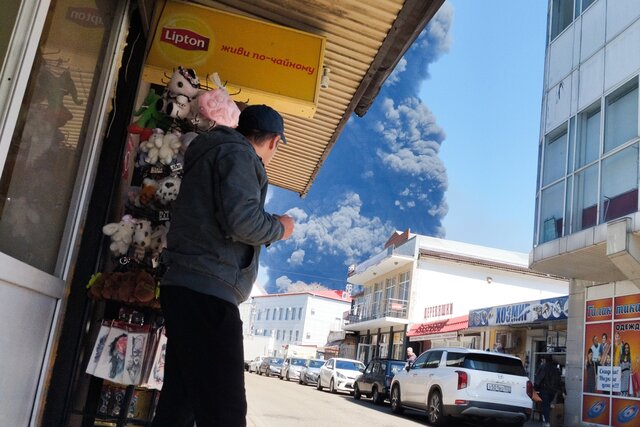
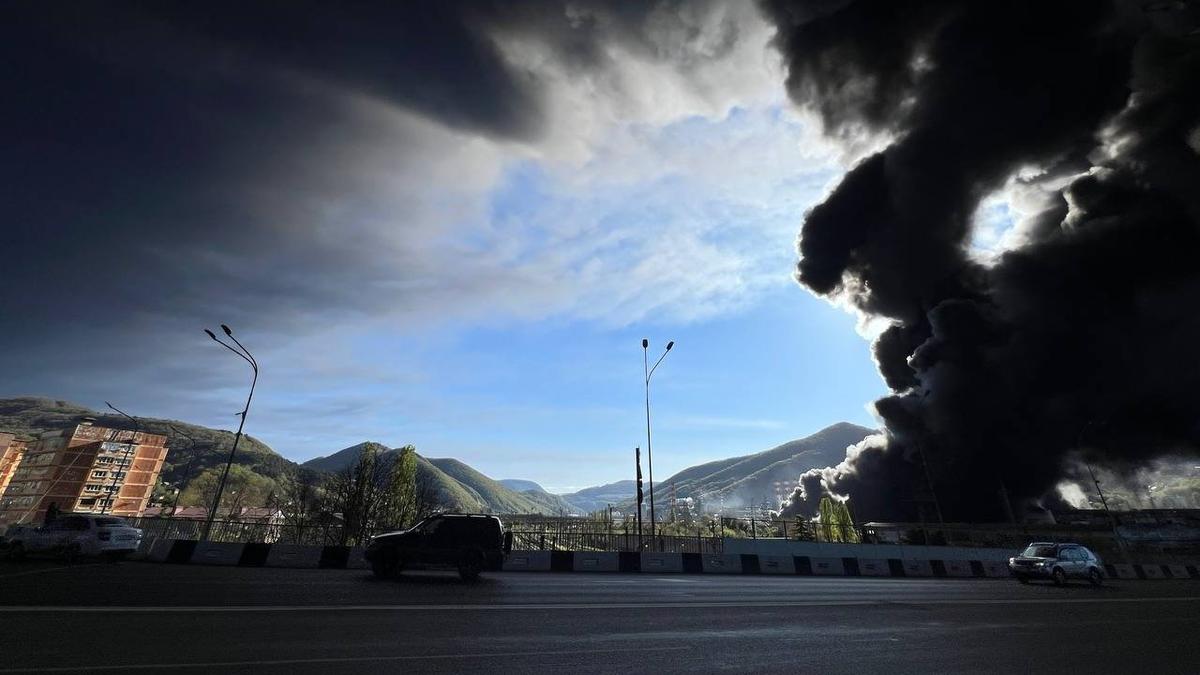
Ukrainian drone attacks have repeatedly struck oil infrastructure in Tuapse, a Black Sea port city in Russia’s Krasnodar region, targeting both an oil refinery and a marine terminal. Across both government-aligned and opposition coverage, it is agreed that drones hit process equipment and storage facilities, causing large fires, heavy smoke, and prompting evacuations of residents living close to the facilities. Reports converge that the incidents involved nighttime or early-morning strikes, that a sizable firefighting force with dozens of vehicles and over a hundred personnel was deployed, and that some fires burned for several days before being fully extinguished. Both sides acknowledge that the affected infrastructure is tied to Russia’s oil export system, that operations were disrupted or halted, and that a state of emergency was declared in the area following the latest and most serious incidents.
Both government and opposition sources recognize that these attacks form part of a wider campaign in the context of the war between Russia and Ukraine, where Ukrainian forces seek to hit Russian energy and logistics assets. There is agreement that the Tuapse facilities store and process oil products linked to export flows and that disruptions have implications beyond the local area, affecting regional economies along the Black Sea coast and potentially impacting broader energy markets. Coverage from both sides notes the involvement of federal and regional institutions such as the Emergency Situations Ministry, local authorities, and environmental services in responding to the fires and spills, and that central authorities dispatched senior officials to the scene after major incidents. Both sides situate the Tuapse attacks within an ongoing pattern of strikes on Russian oil infrastructure, reflecting Ukraine’s broader strategy of pressuring Russia economically and militarily through deep strikes on critical energy assets.
Framing of the attacks. Government-aligned coverage characterizes the Tuapse strikes as terrorist actions by the Kiev regime that recklessly destabilize already strained global energy markets by destroying oil destined for export. Opposition outlets instead present them as deliberate military operations by Ukraine aimed at Russian oil infrastructure that underpins the war effort and export revenues. While official narratives stress international economic harm and the illegitimacy of the strikes, critical media highlight Ukraine’s strategic logic and avoid adopting the “terrorist” framing.
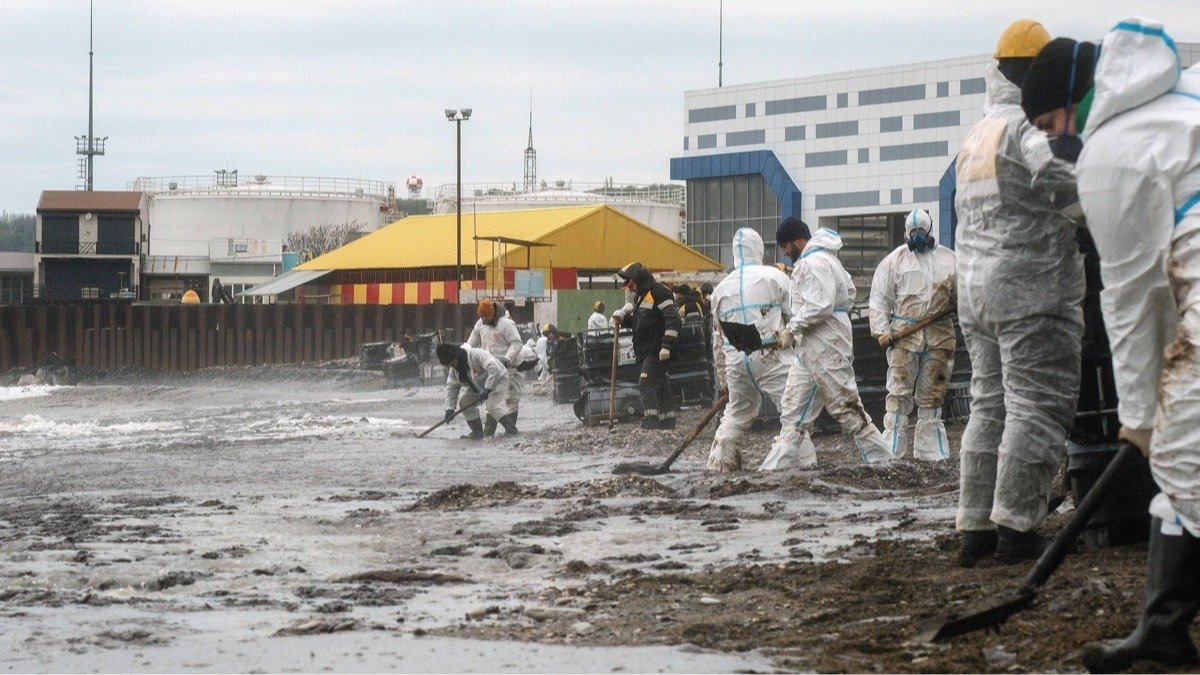
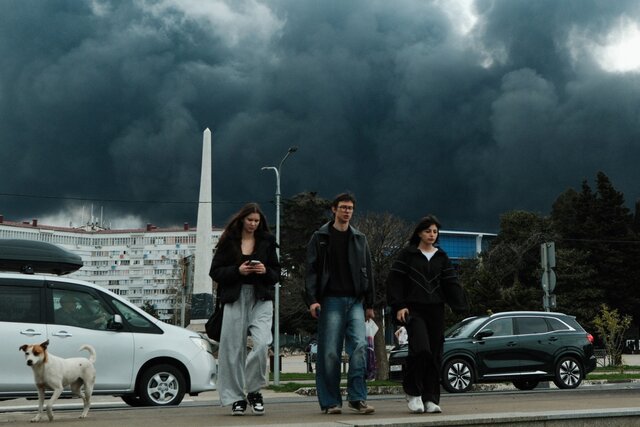
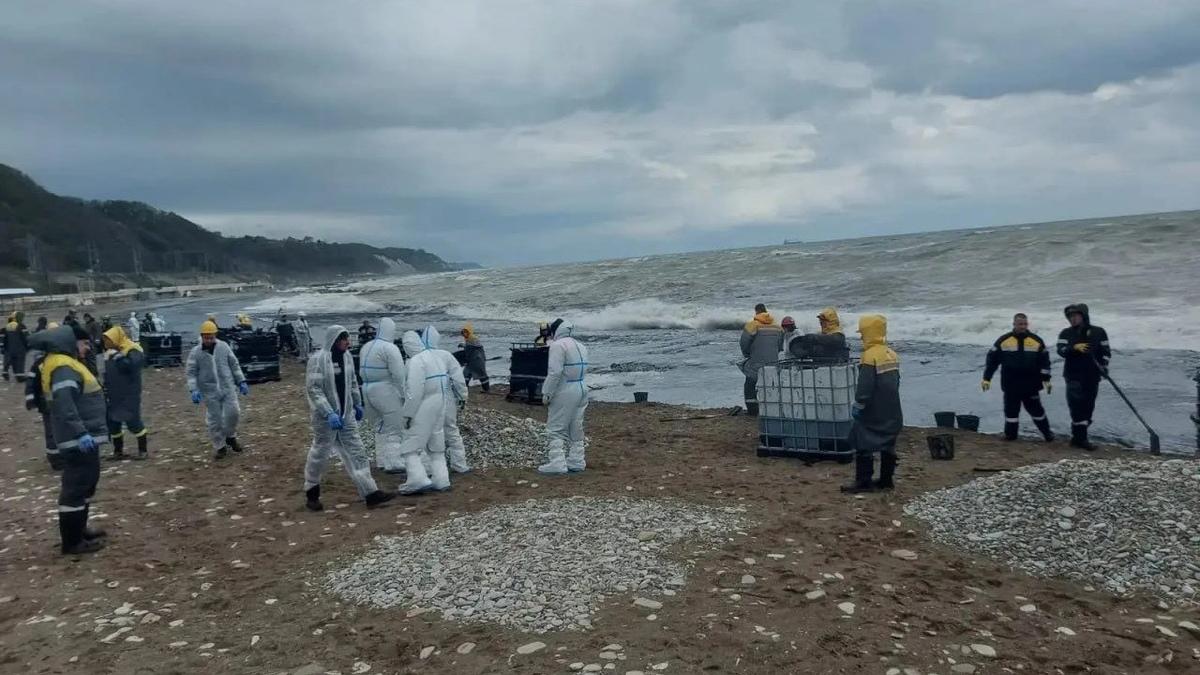
Impact and consequences. Government sources emphasize macroeconomic and market-level consequences, warning of increased oil deficits and volatility while downplaying or omitting detailed discussion of local environmental or health damage. Opposition reporting foregrounds the on-the-ground effects: multi-day fires, toxic smoke, “oil rain,” water supply cuts, and significant pollution of the Black Sea and Tuapse River, including residents’ health complaints and fears for the tourism season. Official coverage highlights that the fires are brought under control and infrastructure protected, whereas opposition outlets stress long-burning blazes, repeated attacks, and ongoing ecological risks.
Authorities’ response and transparency. Government-aligned outlets focus on the scale and professionalism of the emergency response, citing the number of firefighters, vehicles, and the rapid mobilization of senior officials like the Emergency Situations Minister and the regional governor. Opposition media depict the response as slow, improvised, and poorly equipped, describing rescuers using buckets and shovels without proper protective gear and criticizing authorities for initially minimizing air pollution and hazards. While official narratives frame the state as effectively managing a crisis imposed from outside, opposition accounts accuse authorities of secrecy, underreporting dangers, and prioritizing image and tourism over public health.
Local experience and risk perception. Government coverage largely presents Tuapse residents as protected and safe thanks to evacuations and firefighting efforts, with little detail on daily-life disruptions beyond temporary measures. Opposition outlets give voice to locals who say the city is “choking on stench,” report chronic health symptoms, and describe a Black Sea “literally turned black,” arguing that authorities pretend everything is fine and insist resorts are unaffected. Official narratives thus treat the incidents as contained technical emergencies, whereas critical media portray a prolonged environmental disaster whose full human and ecological toll is being obscured.
In summary, government coverage tends to stress external aggression, market destabilization, and a competent emergency response that keeps the situation under control, while opposition coverage tends to emphasize Ukraine’s strategic targeting of Russia’s oil sector, extensive environmental and health damage in Tuapse, and what it portrays as an opaque, inadequate reaction by the authorities.