government
Tehran denies new talks with Trump envoys
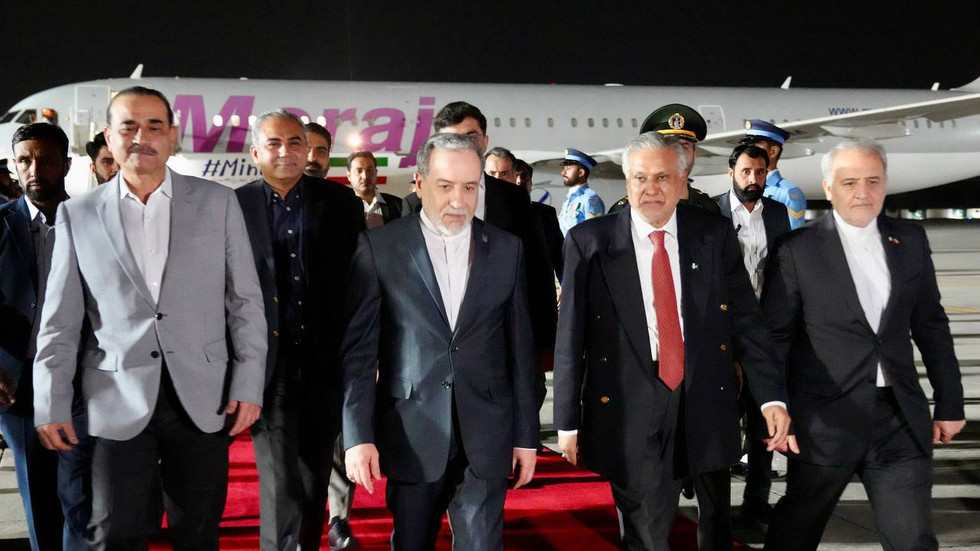
Iran says no meeting with the US is planned during Abbas Araghchi’s visit to Pakistan, despite reports that Washington is sending envoys to Islamabad
2 days ago
US envoys Jared Kushner and Steve Witkoff were initially announced by the White House and pro-government outlets as heading to Islamabad, Pakistan, for possible negotiations involving Iran, with dates centering around April 27 and mention of meetings potentially following bilateral consultations with Pakistani mediators. Coverage agrees that Iranian Deputy Foreign Minister Abbas Araghchi is on a regional tour that includes Pakistan, Oman, and Russia, that Pakistan is being positioned as a potential intermediary venue, and that rising tensions around maritime security and a fragile ceasefire form the immediate backdrop to these moves. Reports also converge on the fact that there was serious consideration of adding Vice President JD Vance to a US delegation for such talks, and that oil markets and regional actors are closely watching the evolving diplomatic calendar and security threats in and around key waterways.
Across the spectrum, sources acknowledge that Iran publicly insists it is not seeking war while declaring itself ready to respond to any US escalation, and that Tehran officially denies engaging in new, direct talks with US envoys under current conditions. There is broad agreement that the US has intensified pressure via blockades and threats against Iranian maritime activity, while Iran frames those actions as breaches of a ceasefire that undermine the practical value of talks. Both sides’ reporting accepts that intermediaries such as Pakistan, Oman, and Russia are increasingly central to any diplomatic track, reflecting a longer history of indirect US-Iran contacts routed through regional partners, and that the diplomatic choreography—announced trips, mooted delegations, and sudden cancellations—reflects a volatile balance between coercive pressure and cautious signaling.
Reality of the talks. Government-aligned coverage emphasizes the White House narrative that a US delegation including Jared Kushner and Steve Witkoff, possibly joined by JD Vance, is or was genuinely preparing for direct talks with Iranian representatives in Islamabad, presenting the April 27 date as a concrete milestone. In contrast, opposition narratives (where they infer from Iranian denials and regional skepticism) would likely question whether true direct talks were ever locked in, stressing Tehran’s official refusal to acknowledge any new channel and suggesting the trip may have been more signaling than substance.
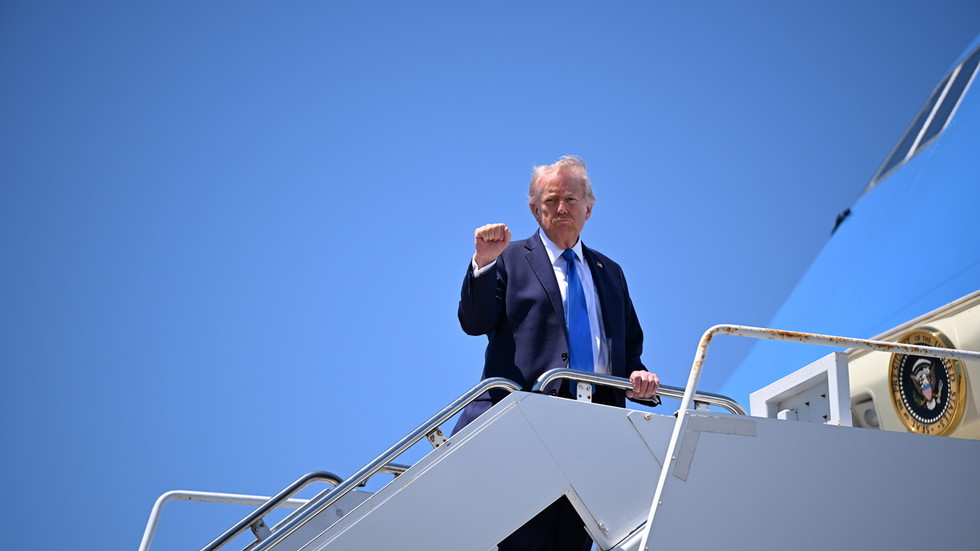
Interpretation of cancellations and delays. Government outlets frame Trump’s cancellation of the Pakistan trip as a deliberate show of strength, citing “confusion” within Iran’s leadership and asserting that Tehran has “no leverage,” thus portraying the US as choosing to walk away from a weak counterpart. Opposition-leaning analysis would instead depict the cancellation as evidence of diplomatic incoherence or domestic political maneuvering in Washington, arguing that shifting dates and formats expose uncertainty in US strategy rather than calculated dominance.
Assignment of blame for tensions. Government-aligned reporting tends to justify the US maritime posture and threats—such as the order to “shoot and kill” Iranian boats laying mines—as defensive measures in response to Iranian behavior and regional instability, framing US actions as enforcement against a recalcitrant actor. Opposition sources would foreground Iran’s claim that a US blockade constitutes a ceasefire breach, arguing that Washington’s maximum-pressure tactics and escalatory rhetoric are driving the crisis and making meaningful talks “pointless” from Tehran’s perspective.
Motives and leverage. Government coverage generally highlights US confidence and leverage, stressing that Tehran will eventually return to the table once it recognizes the costs of isolation, and uses the possibility of a high-level envoy team as proof of Washington’s control over the pace and format of diplomacy. Opposition coverage would likely stress that Iran’s parallel outreach to Pakistan, Oman, and Russia reflects a strategy to offset US pressure and build alternative diplomatic and economic lifelines, arguing that Washington’s coercive approach may be eroding, not enhancing, its long-term influence.
In summary, government coverage tends to portray the planned Pakistan trip as a serious, US-driven diplomatic initiative occasionally paused to underscore American leverage, while opposition coverage tends to cast it as a mix of public theater and coercive signaling that obscures an underlying lack of coherent, good-faith strategy toward Iran.