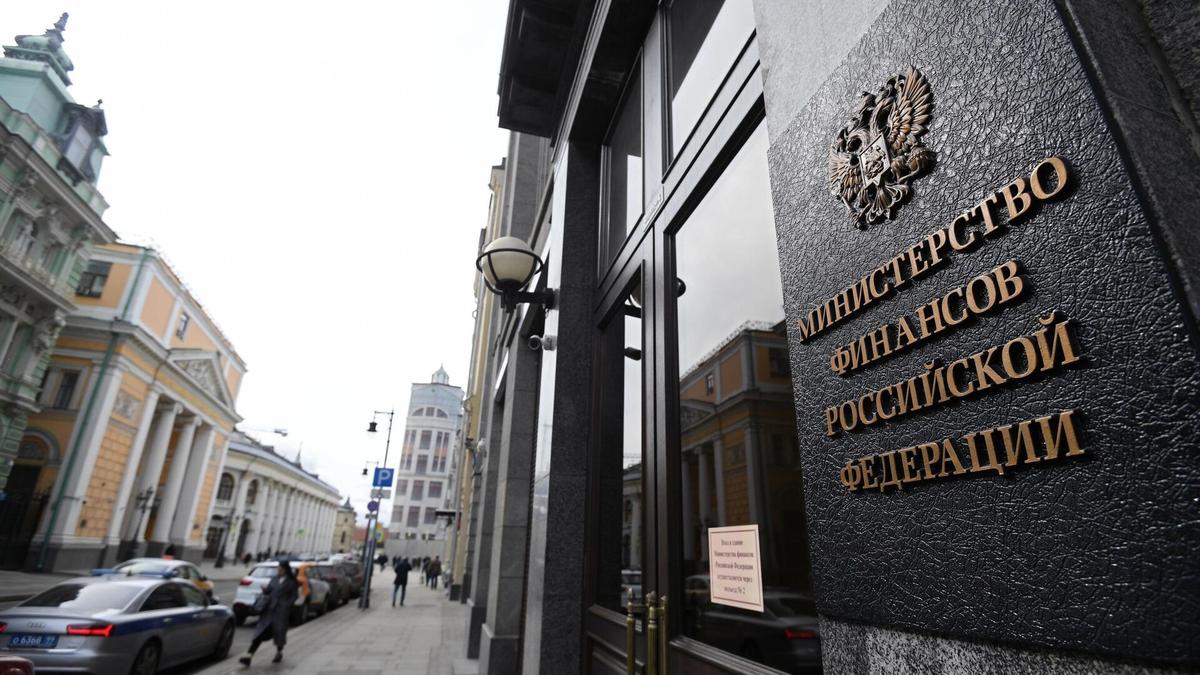
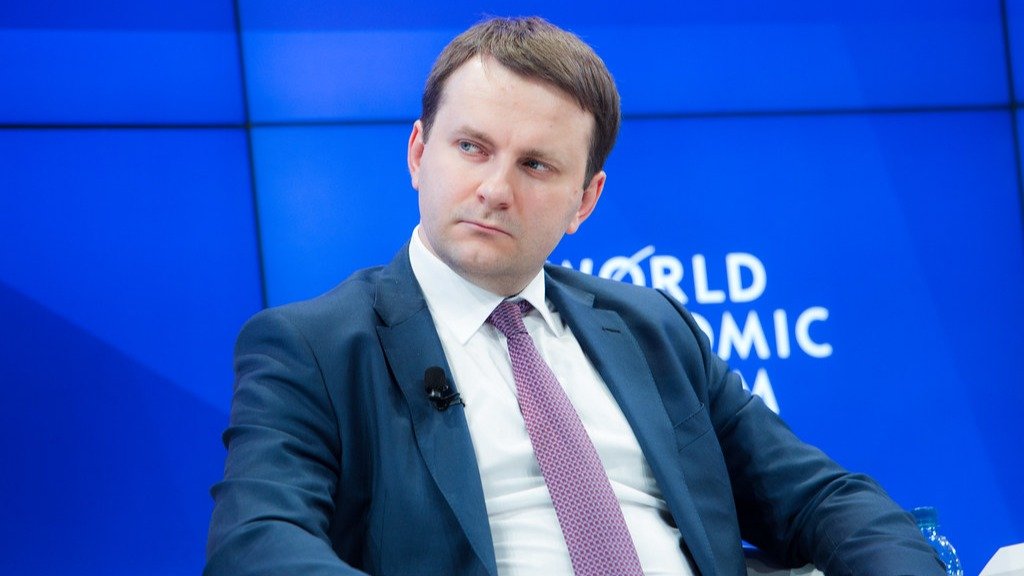
Russian government-aligned and opposition outlets both report that Russia’s GDP contracted by about 1.8% in the first two months of the year, with authorities publicly acknowledging weaker-than-expected macroeconomic indicators. They agree that top officials including President Vladimir Putin, Central Bank Governor Elvira Nabiullina, Finance Minister Anton Siluanov, and Economy Minister Maxim Reshetnikov are now openly discussing economic headwinds such as high interest rates, persistent inflation, labor shortages, and pressure on businesses. Both sides describe record-low official unemployment of around 2.1% alongside a structural labor deficit, and note that authorities are debating fiscal rules, tax policy, and interest-rate paths at high‑profile venues like the Moscow Exchange Forum.
Coverage from both camps also converges on the broader context that the Russian economy has entered a new phase characterized by resource and workforce constraints, elevated defense spending, and tighter budget conditions after earlier reserves and buffers were heavily used. Government and opposition sources alike reference the fiscal rule as a central mechanism for managing oil and gas revenues, the importance of maintaining financial stability, and the need for reforms to support productivity, investment, and business adaptation. They both portray businesses as under strain from changing tax regimes and rising costs, and they depict authorities as searching for ways to balance growth with inflation control and currency stability, including the expectation of a gradually stronger ruble and a slow decline in interest rates over time.
Areas of disagreement
Diagnosis and causes. Government-aligned outlets frame the GDP contraction and other weak indicators primarily as the result of seasonal factors, technical base effects, and a “new reality” of labor shortages tied to demographic and structural shifts. Opposition media, while citing the same data, emphasize deeper systemic causes such as exhausted reserves, war-related spending, sanctions, and structural inefficiencies. Official coverage typically downplays or omits the role of the war in Ukraine and casts the downturn as manageable turbulence, whereas opposition reporting highlights defense spending, internet restrictions, and policy missteps as key drivers of the slowdown.
Responsibility and blame. Government sources present the president and economic bloc as proactive managers demanding explanations from technocrats and fine-tuning tools like the fiscal rule, interest rates, and targeted support for business. Opposition outlets depict the same interactions as evidence that the leadership is belatedly scrambling to understand problems it helped create, pointing to contradictions between Putin’s explanations and those of his advisers. While state-friendly coverage stresses shared external challenges and inevitable constraints, critical outlets place clear responsibility on the Kremlin’s strategic choices, including tax hikes, regulatory pressure, and the costs of militarization.
Policy effectiveness and business climate. Government narratives stress continuity and eventual payoffs from current policies, highlighting plans for a stronger currency, lower rates over time, and support measures that are supposed to help businesses adapt to labor shortages and higher borrowing costs. Opposition reporting focuses instead on the immediate damage: a 22.2% drop in tax collections from small businesses affected by VAT changes, closures, and an expanding shadow economy. Where government-aligned media talk about modernizing employment structures and boosting productivity, opposition outlets argue that tax policy, credit conditions, and uncertainty are squeezing entrepreneurs and undermining growth.
Outlook and risk assessment. Government-aligned sources speak in cautiously optimistic tones, portraying inflation as on track to be tamed by around 2026 and suggesting that current headwinds are temporary hurdles on a path to stability. Opposition media highlight pessimistic expert forecasts, citing concerns about an impending downturn, unsustainable fiscal trends, and the limits of further drawing on reserves. Official coverage tends to frame risks as controllable with technical adjustments, while opposition outlets warn that without major political and structural changes, the acknowledged problems could deepen into a more serious and prolonged crisis.
In summary, government coverage tends to acknowledge emerging economic strains while stressing controllability, technical fixes, and a generally optimistic medium-term trajectory, while opposition coverage tends to treat the same signals as proof of deeper structural and war-related failures that current policies are unlikely to resolve.