government
US leader says he is reopening Hormuz Strait for Iran
According to Donald Trump, China "agreed not to send weapons to Iran"
21 days ago
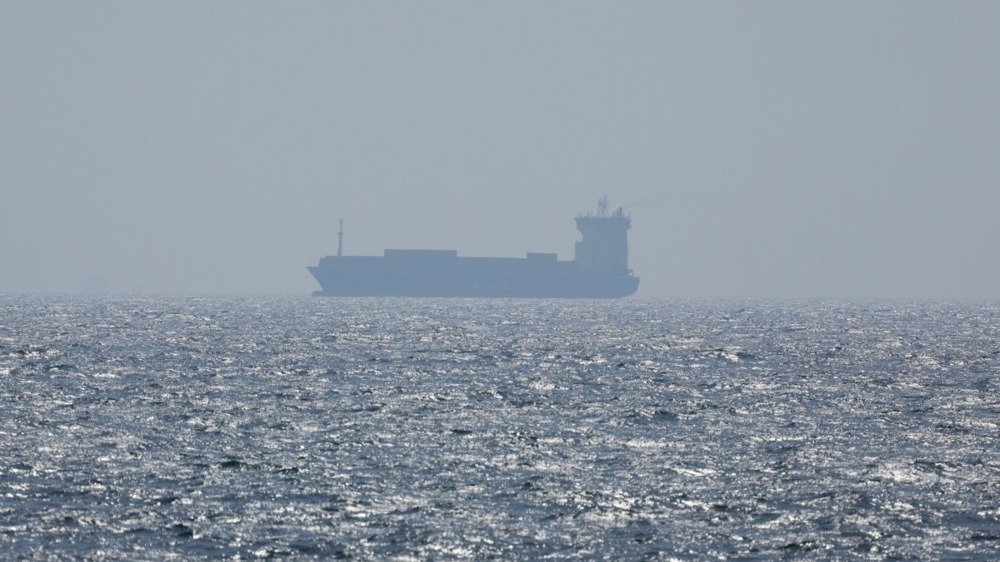
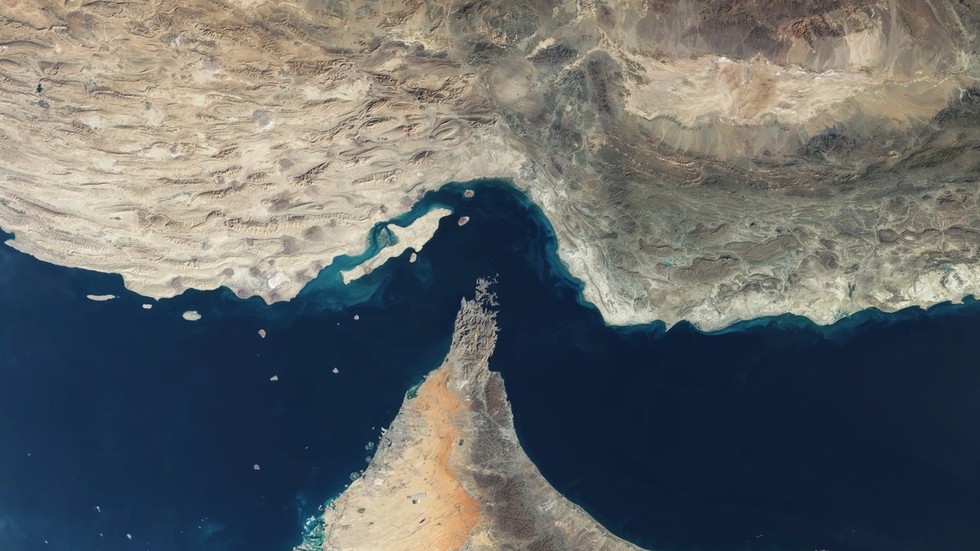
Iran’s foreign minister Abbas Araghchi has announced that the Strait of Hormuz is now fully open to all commercial or merchant vessels for the duration of a ceasefire linked to the conflict in Lebanon, with both government-aligned and opposition outlets agreeing on this core development. Both sides report that the reopening is tied to a roughly 10‑day truce between Israel and Hezbollah in Lebanon, that ships must follow previously agreed navigation routes with Iran, and that oil prices fell sharply—Brent crude slipping below about $90 a barrel—after the move, reflecting relief in global energy markets. They also concur that the strait had been effectively closed or severely restricted following a late‑February attack attributed to a joint US‑Israeli bombing campaign and that this disruption had significantly affected global trade and energy flows. In each account, Iran is presented as the actor formally declaring the reopening, while the United States, under President Donald Trump, publicly acknowledges the decision and links it to broader diplomatic and security dynamics.
Across the reporting, there is shared acknowledgment that the reopening occurs within a framework of international negotiations and ceasefire diplomacy, centered on institutions and actors such as the US presidency, the Israeli military, Hezbollah, and regional mediators. Both sides note that the move is framed as temporary and conditional—explicitly limited to the ceasefire period in Lebanon—rather than as a permanent legal change to transit rights. They agree that European powers, notably France and the UK, are positioning themselves as guarantors of freedom of navigation through a joint maritime mission, and that China’s role is mentioned in connection with assurances it will not send weapons to Iran. The coverage also aligns on the view that the Strait of Hormuz is a critical chokepoint for global energy supplies, that previous US sanctions and naval actions have constrained Iranian shipping, and that the current opening is being watched closely by energy markets and diplomatic institutions as a test of whether de‑escalation in Lebanon can stabilize wider regional trade routes.
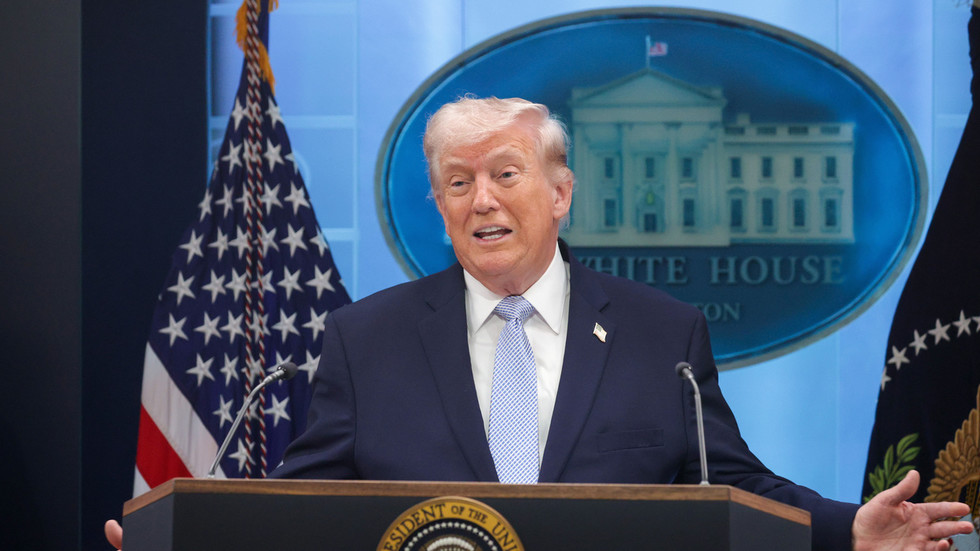
Agency and credit. Government-aligned coverage emphasizes Trump’s role, at times stating that he is “reopening” or even “permanently opening” the Strait of Hormuz and portraying Iran’s announcement as a response to US pressure and smart diplomacy, including claimed Chinese assurances not to arm Iran. Opposition outlets instead place agency squarely with Tehran, presenting Araghchi’s declaration as the operative decision and depicting US statements as acknowledgments rather than drivers of the outcome. While government sources frame the opening as something Washington is doing “for China and the world,” opposition reporting treats it as Iran exercising control over its own waters under the umbrella of a Lebanese ceasefire.
Framing of military confrontation. Government coverage portrays the prior closure mainly as a reaction to a US‑Israeli bombing campaign and as part of a broader standoff in which Washington maintains a blockade against Iranian vessels until its demands are met, suggesting a posture of strength and coercive leverage. Opposition sources downplay US claims of blockade “success” and instead stress that the truce came only after Israeli reluctance to halt operations, implying that Israeli actions were the main obstacle to de‑escalation. Where government outlets suggest that Western military presence is either unnecessary (in Trump’s criticism of NATO) or being responsibly reorganized via a Franco‑British mission, opposition narratives imply that Western and Israeli military actions are the root causes of instability around the strait.
Role of allies and international institutions. Government-aligned media highlight Trump’s criticism of NATO as “useless” and a “paper tiger,” using the Strait of Hormuz episode to argue that the US can secure navigation without alliance help, even as France and the UK pursue their own mission. Opposition outlets, by contrast, reference European and broader international involvement mainly as context, not as decisive, and tend to question the effectiveness of US‑led or US‑centric security architectures in preventing the crisis in the first place. Government narratives thus frame the episode as validating unilateral or ad hoc coalitions under US leadership, whereas opposition reporting hints that institutional failures and Western divisions enabled the escalation that made closure possible.
Stability and permanence of the opening. Government coverage points to Trump’s vow to “permanently open” the Strait of Hormuz and to purported side deals with China as evidence that the current reopening could evolve into a more durable arrangement under US stewardship, despite simultaneously noting that US sanctions and restrictions on Iranian vessels remain. Opposition media stress the explicitly temporary nature of Iran’s move, tethered strictly to the 10‑day Lebanon ceasefire, and suggest that any talk of permanence is political spin not reflected in actual security guarantees or legal commitments. Government sources therefore cultivate an image of a turning point toward long‑term openness, while opposition sources frame the situation as fragile, reversible, and contingent on the behavior of Israel, the US, and regional actors.
In summary, government coverage tends to credit US leadership, underscore Trump’s declarations about permanently reopening the strait, and cast the episode as proof of American leverage and strategic generosity toward global trade, while opposition coverage tends to center Iran’s sovereign decision, highlight the temporary and fragile nature of the opening, and stress that Western and Israeli military actions brought the region to the brink in the first place.