government
Trump lied seven times in one hour
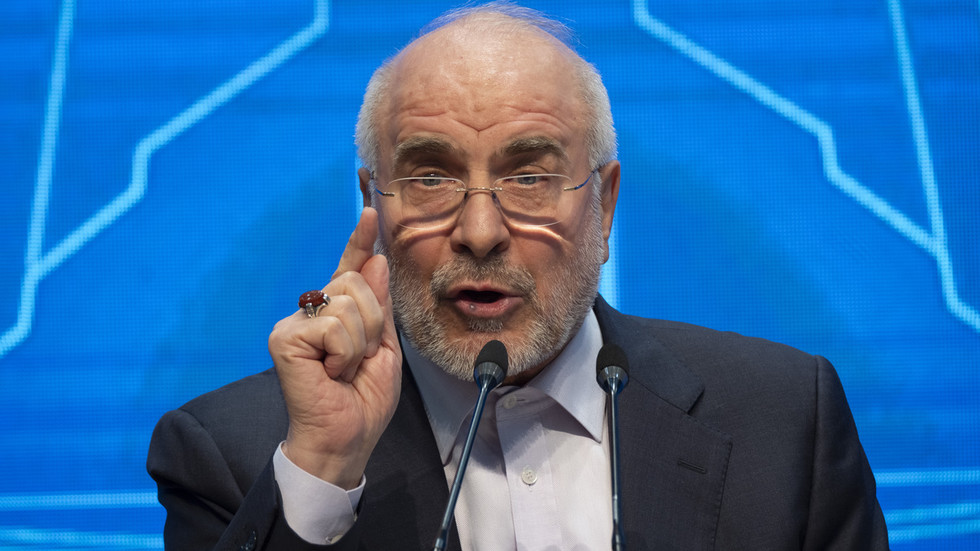
All seven claims made by US President Donald Trump after Iran opened the Strait of Hormuz are false, Tehran’s top negotiator, Mohammad Bagher Ghalibaf, has said
18 days ago
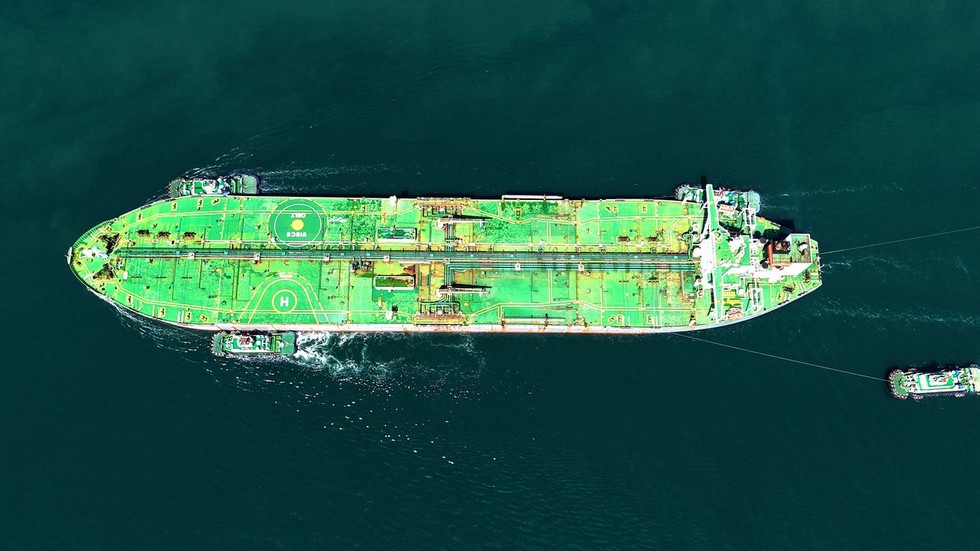
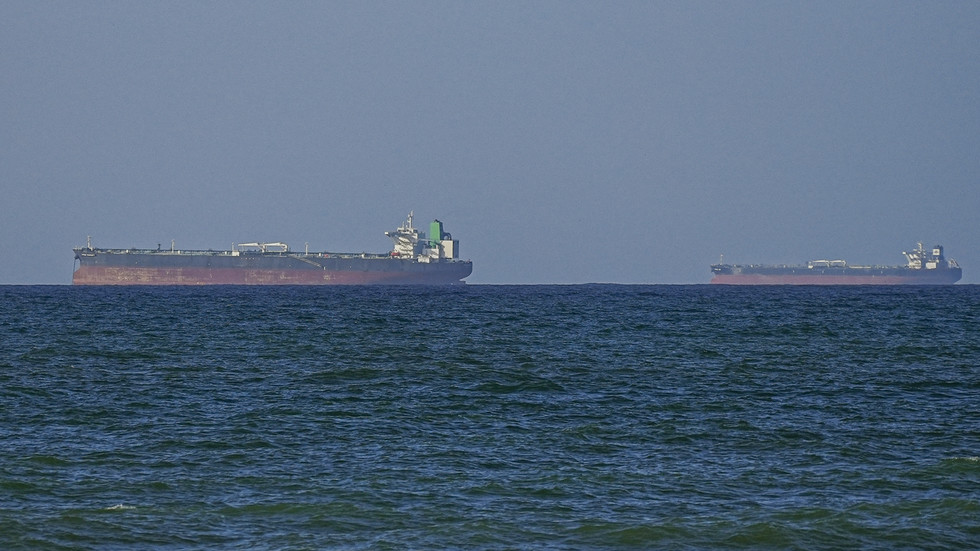
Iranian and international reports agree that Iran has announced a closure or severe restriction of traffic through the Strait of Hormuz in direct response to a continuing US naval blockade of Iranian ships and ports, with the Islamic Revolutionary Guard Corps Navy declaring the measure effective from a Saturday evening. Both sides of coverage note that this move follows a brief, earlier period when Tehran said the waterway would be at least partially open, that US President Donald Trump publicly insisted the blockade would remain in place, and that Iran’s commanders and parliamentary speaker have since dismissed his statements on social media as not credible. There is broad agreement that several commercial vessels in or near the strait have been attacked in recent days, that India and other trading partners have lodged diplomatic protests, and that shipping companies face conflicting navigational guidance from US and Iranian authorities.
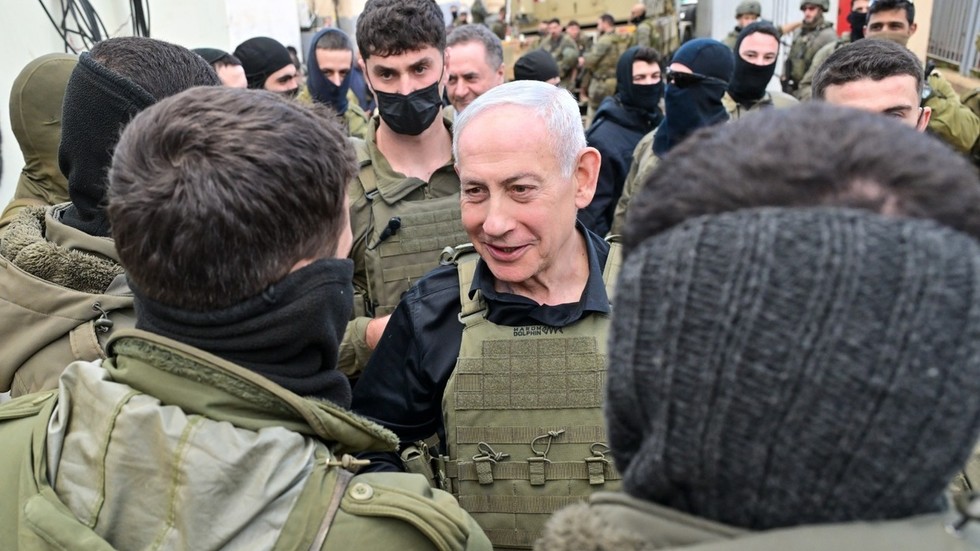
Reporting also converges on the wider context: the Strait of Hormuz is a critical chokepoint for global energy flows, and its disruption has already pushed up crude oil prices and raised alarms about jet fuel supplies, food security, and broader inflation risks. Outlets across the spectrum describe Iran’s current posture as part of an escalating standoff framed around a ceasefire or de-escalation agreement that Iran says the US violated by maintaining its blockade, and they agree that Iran is now asserting tighter military control over the strait while floating possible partial easings, such as freer transit on the Omani side. Coverage likewise notes that these maritime tensions are intertwined with a larger US-Israel-Iran conflict, highlighted by Israeli Prime Minister Benjamin Netanyahu’s criticism of European governments for what he calls moral weakness in not fully backing Washington and Tel Aviv’s position after Iran’s closure move.
Legality and justification. Government-aligned sources say Iran’s closure and tight control of the Strait of Hormuz are lawful defensive measures under international law in response to an illegal US naval blockade and acts of maritime "piracy." Opposition sources tend to question or reject this framing, emphasizing obligations to keep an international waterway open and portraying Iran’s move as a coercive use of a global chokepoint. Government coverage stresses that ceasefire terms were broken by Washington first, making Iranian restrictions a proportionate response, while opposition outlets more often depict Iran as the primary escalator that is intentionally weaponizing energy flows.
Responsibility and blame. Government narratives place primary responsibility on the United States, arguing that it violated a ceasefire, maintained a blockade aimed at strangling Iran’s economy, and spread misinformation through Trump’s disputed statements. Opposition coverage, by contrast, tends to assign considerable blame to Tehran, highlighting its history of brinkmanship in the Gulf, past incidents involving foreign tankers, and the decision to reverse an initial reopening that had calmed markets. While government-aligned outlets frame Iran as reacting to external aggression, opposition outlets more often describe Iran as exploiting the crisis to gain leverage and rally domestic support.
Economic and humanitarian impact. Government sources emphasize that the economic fallout—rising oil prices, jet fuel shortages, and food security risks—is a foreseeable consequence of US-led pressure and sanctions, arguing that Washington’s blockade tactic is what endangers global consumers. Opposition media more often present Iran’s closure as the immediate trigger of market turmoil, warning that Tehran’s policy is driving up costs for developing countries and undermining global economic stability. Government coverage highlights Iran’s proposals for limited easings, such as freer passage on the Omani side, as evidence of responsible crisis management, whereas opposition outlets portray these as tactical half-measures that do little to reassure shippers.
Regional and international reactions. Government-aligned reporting underscores diplomatic protests by countries like India as objections to US escalatory behavior and the broader blockade regime, positioning Iran as sharing concerns with major importers about US militarization. Opposition sources tend to interpret the same protests as frustration with both Washington and Tehran, but they stress foreign anger at Iran’s willingness to shut a vital trade route. Government outlets give considerable space to Netanyahu’s criticism of Europe as morally weak for not siding fully with the US-Israel line, using it to argue that Western allies are divided, while opposition coverage uses such rhetoric to suggest the conflict is being instrumentalized by regional actors and could further isolate Iran.
In summary, government coverage tends to depict Iran’s closure of the Strait of Hormuz as a legally justified defensive response to an unlawful US blockade that primarily endangers global trade, while opposition coverage tends to cast the move as a dangerous escalation by Tehran that leverages a vital waterway for political gain and worsens economic and security risks.