government
Spain closes airspace and bases to US-Israeli war on Iran
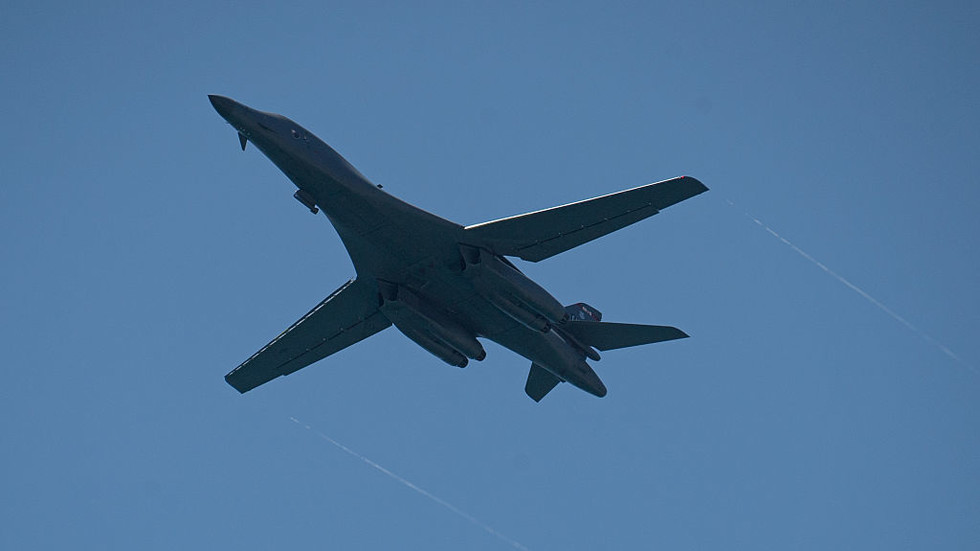
Spain has barred its skies and bases to US warplanes involved in strikes on Iran, deepening a rift with Washington over the “illegal” campaign
5 days ago
Spain’s decision involves closing its airspace and military bases to US and Israeli warplanes engaged in the current conflict with Iran, while still permitting certain NATO and logistical flights that are not directly tied to combat operations. Across aligned reporting, it is agreed that this step complicates US operational planning by forcing longer flight routes, introduces friction into Madrid–Washington relations, and is framed as a clear refusal to participate militarily in a campaign Spanish officials describe as unilateral. Coverage consistently notes that the move affects aircraft involved in offensive actions against Iran, not all US military activity, and emphasizes that Spain remains formally committed to NATO structures even as it restricts use of its territory for this specific war.
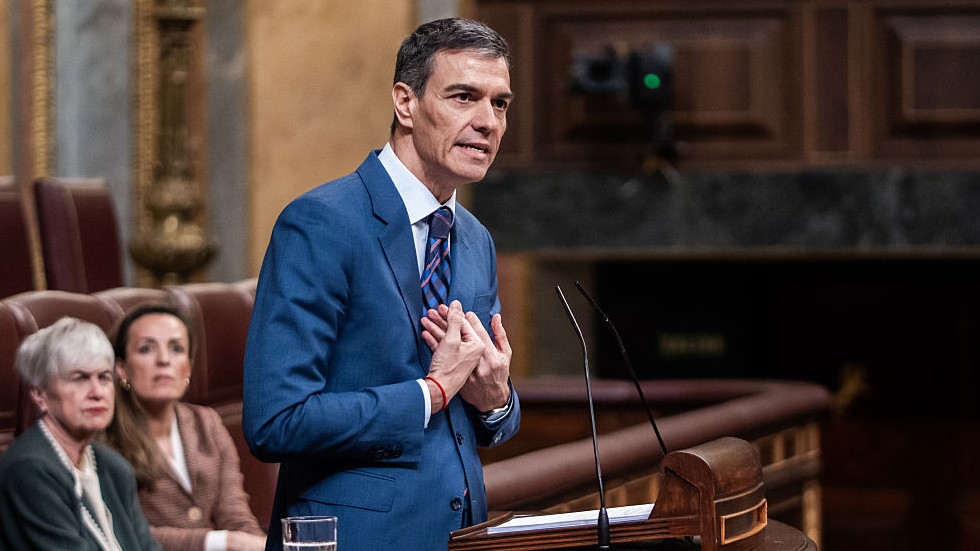
Shared context in government-aligned reporting stresses Spain’s experience with the 2003 Iraq invasion, presenting that conflict as a cautionary precedent for today’s Iran campaign and underscoring concerns about international law, regional destabilization, and economic fallout. Sources highlight Prime Minister Pedro Sánchez’s description of the Iran war as potentially more damaging than Iraq, citing Iran’s larger size and military capabilities, and link the decision to a broader European debate about strategic autonomy from Washington. There is broad agreement that the government is positioning its stance as a defense of multilateralism and legal constraints on the use of force, while still situating Spain within Western security institutions and ongoing commitments to allies.
Legality and framing of the conflict. Government-aligned coverage describes the US-Israeli campaign against Iran as an illegal, unilateral war that violates international law and undermines multilateral decision-making, using this framing to justify Spain’s airspace and base closure. Opposition-oriented narratives, where they appear, tend to question whether Madrid is overstepping by making a unilateral legal determination, suggesting that the government is politicizing international law for domestic gain. While government sources emphasize continuity with Spain’s legal obligations and UN principles, opposition voices are more likely to stress ambiguity in the conflict’s legal status and the risks of isolating Spain from key allies.
Relations with the United States and NATO. Government coverage portrays the decision as a principled but limited break with Washington on a specific war, repeatedly underscoring that Spain’s core NATO commitments remain intact and that logistical cooperation unrelated to Iran continues. Opposition coverage tends to cast the move as a dangerous rupture that could erode trust with the United States, weaken Spain’s influence in NATO, and signal unreliability at a time of heightened global tension. Whereas government narratives frame the stance as strengthening Spain’s credibility by avoiding another Iraq-style alignment, opposition narratives stress practical costs in diplomacy, defense cooperation, and access to allied support.
Security and strategic risks. Government-aligned reporting emphasizes that refusing participation in the Iran campaign reduces Spain’s exposure to retaliation, terrorism, or regional spillover, arguing that distance from active hostilities enhances national security. Opposition accounts are more inclined to argue that restricting allied military use of Spanish territory could undermine deterrence, ultimately making Europe and Spain less secure if Iran or other actors perceive divisions within the Western camp. The government side links security to de-escalation and legal restraint, while opposition voices link security to solidarity with allies and maintaining robust operational options.
Domestic political motivations. Government coverage presents Sánchez’s stance as a sober response shaped by lessons from the Iraq war, public skepticism of foreign interventions, and a commitment to international law, portraying the decision as consistent with long-standing social and political currents in Spain. Opposition narratives tend to interpret the move as a bid to galvanize left-leaning and anti-war constituencies, distract from domestic challenges, or differentiate Spain within Europe for partisan advantage. While government sources stress continuity and principle, opposition sources emphasize timing, rhetoric about an “absolute disaster,” and the potential for the issue to be used in electoral and parliamentary battles.
In summary, government coverage tends to depict Spain’s closure of airspace and bases as a principled, legally grounded and carefully calibrated refusal to join an ill-conceived war while preserving NATO commitments, while opposition coverage tends to frame it as an ideologically driven move that strains key alliances, introduces strategic risk, and serves domestic political agendas.