government
Trump threatens to destroy Iran’s power plants and oil wells
US President Donald Trump insists Washington is in “serious” discussions with Iran’s “new regime”
5 days ago
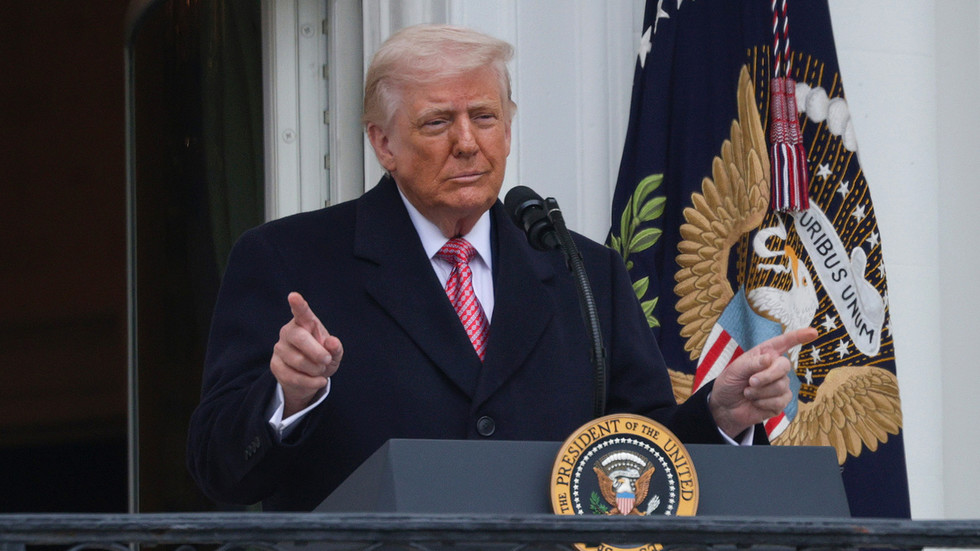
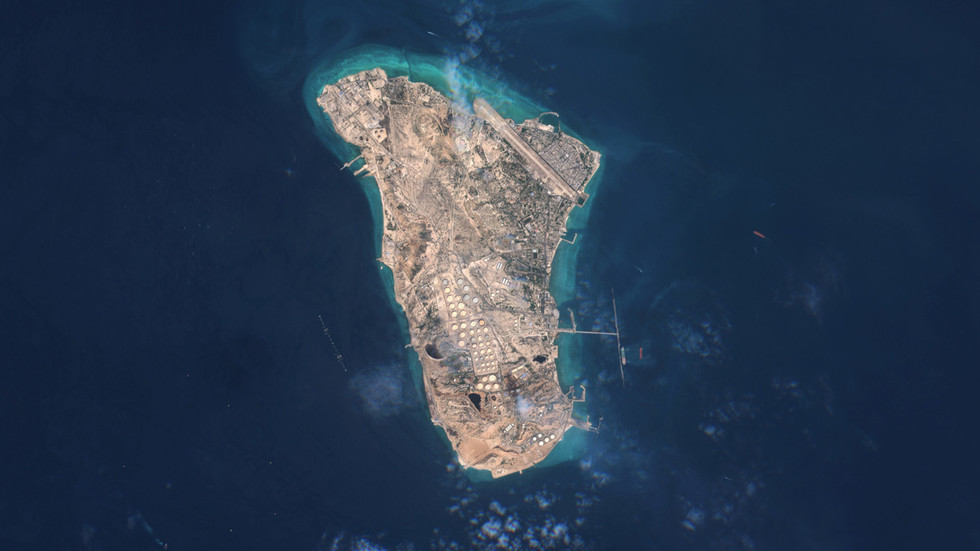
President Donald Trump has publicly threatened that the United States could destroy Iran’s power plants, oil wells, and key export hub Kharg Island if ongoing talks with what he calls a new Iranian government collapse and if the Strait of Hormuz is not opened for commercial traffic. Across government-aligned coverage, reports consistently note that Trump links these threats to what he describes as serious negotiations with Iran’s current authorities, claims substantial progress in those talks, and frames the potential military action as both a way to force a settlement and a reprisal for Americans killed after the 1979 Islamic Revolution. These outlets also report that Trump has floated the idea of U.S. forces seizing Kharg Island to control Iran’s oil exports indefinitely, drawing a comparison to U.S. policy toward Venezuela, while Iran is reported as rejecting Washington’s proposals as unrealistic and reinforcing defensive positions around the island.
The shared context in government-aligned narratives situates Trump’s threats within a longer arc of U.S.-Iran hostility dating back to the 1979 revolution, the deaths of U.S. servicemen and citizens in subsequent decades, and repeated crises around the Strait of Hormuz as a strategic chokepoint for global oil shipments. These accounts emphasize institutional frameworks such as U.S. sanctions regimes, prior aborted U.S. strike plans against Iranian infrastructure, and Iran’s longstanding focus on self-defense and deterrence against external military aggression. They also reference broader regional energy geopolitics, including control over oil production and export routes, and highlight that similar debates have occurred in other contexts like Venezuela, reinforcing the idea that U.S. leverage over adversaries’ energy sectors is a recurring strategic theme.
Legitimacy of threats. Government-aligned sources portray Trump’s threats to destroy Iran’s power and oil infrastructure as a form of coercive diplomacy grounded in historical grievances and ongoing security concerns, often stressing that the threats are conditional on failed talks or Iranian obstruction of the Strait of Hormuz. In contrast, opposition sources typically characterize such rhetoric as reckless, escalatory, and potentially unlawful under international norms, emphasizing the humanitarian impact of attacking civilian energy infrastructure and questioning whether these threats actually advance U.S. security.
Framing of negotiations. Government coverage tends to highlight Trump’s assertion that talks with Iran’s current authorities are serious and making significant progress, suggesting that the threat of force is effectively pressuring Tehran back to the table. Opposition outlets usually argue that the talks are fragile or overstated, contending that maximalist threats undermine diplomatic credibility, harden Iranian resistance, and risk collapsing any opening for a negotiated settlement.
Historical justification. In government-aligned reporting, repeated references to Americans killed after the 1979 Islamic Revolution are used to justify the possibility of reprisals against Iran’s critical infrastructure, embedding the threats in a narrative of overdue accountability and deterrence. Opposition coverage, however, tends to question invoking decades-old events as grounds for present-day large-scale attacks, pointing instead to the history of mutual provocations, U.S. interventions in the region, and the danger of selectively using past grievances to rationalize new conflicts.
Strategic and economic calculus. Government sources commonly stress the strategic value of controlling or neutralizing Iran’s oil facilities and Kharg Island, arguing that such moves would protect global energy markets and deny resources to a hostile regime. Opposition sources are more likely to emphasize the risks of global oil price shocks, potential retaliation across the region, and legal or moral concerns about openly discussing the seizure of another state’s oil assets as a policy objective.
In summary, government coverage tends to frame Trump’s threats as a hard-nosed but calculated tool of coercive diplomacy backed by historical grievances and strategic considerations, while opposition coverage tends to depict them as dangerously escalatory, legally and morally questionable, and ultimately counterproductive to both diplomacy and regional stability.