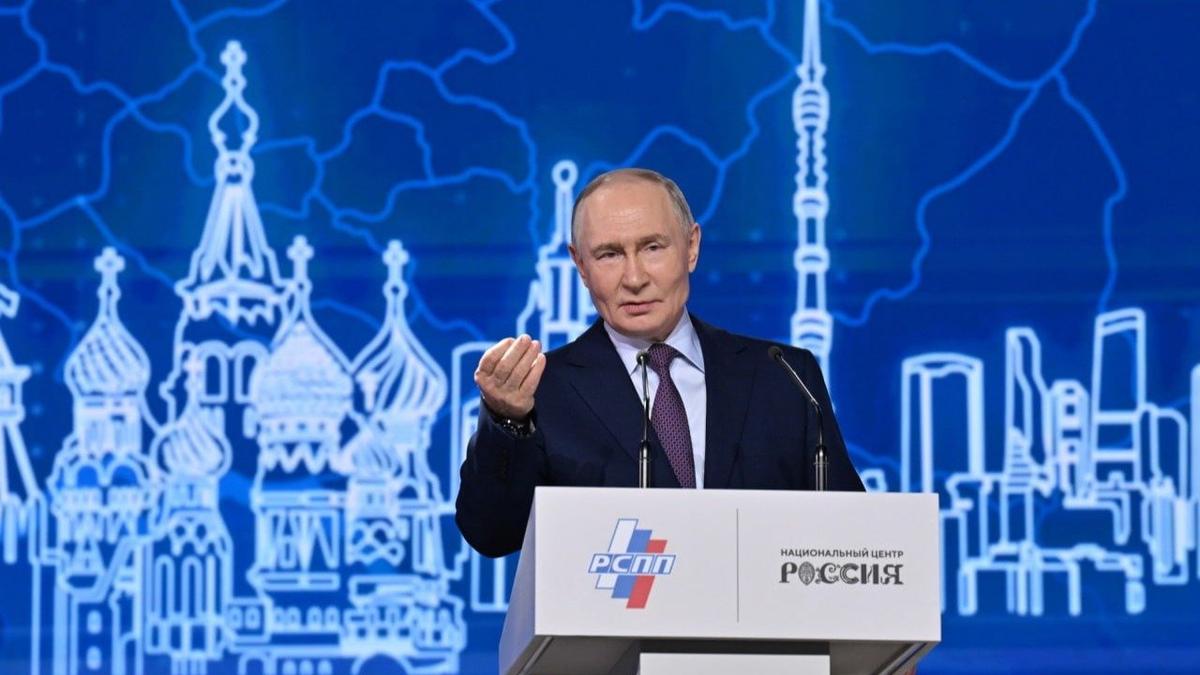
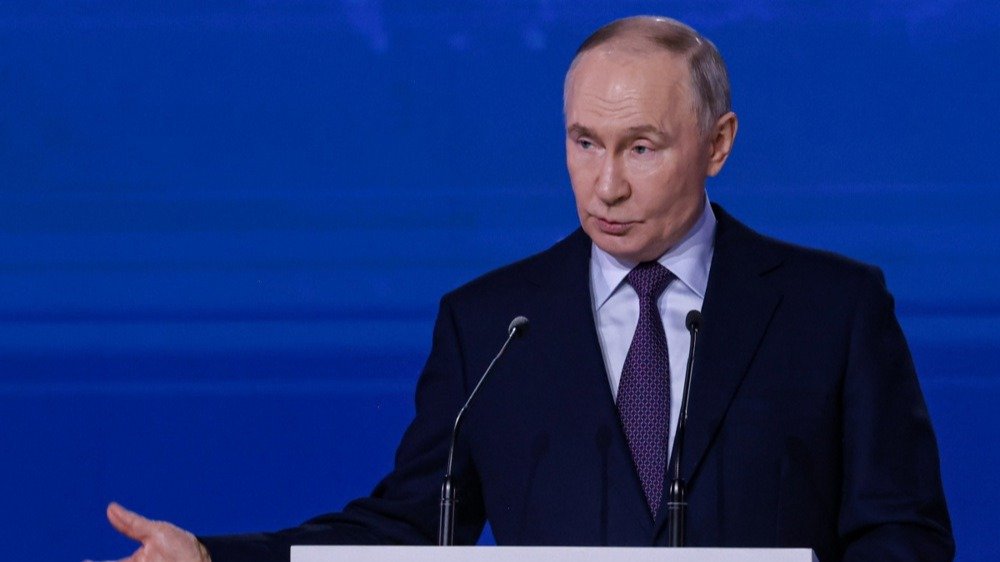
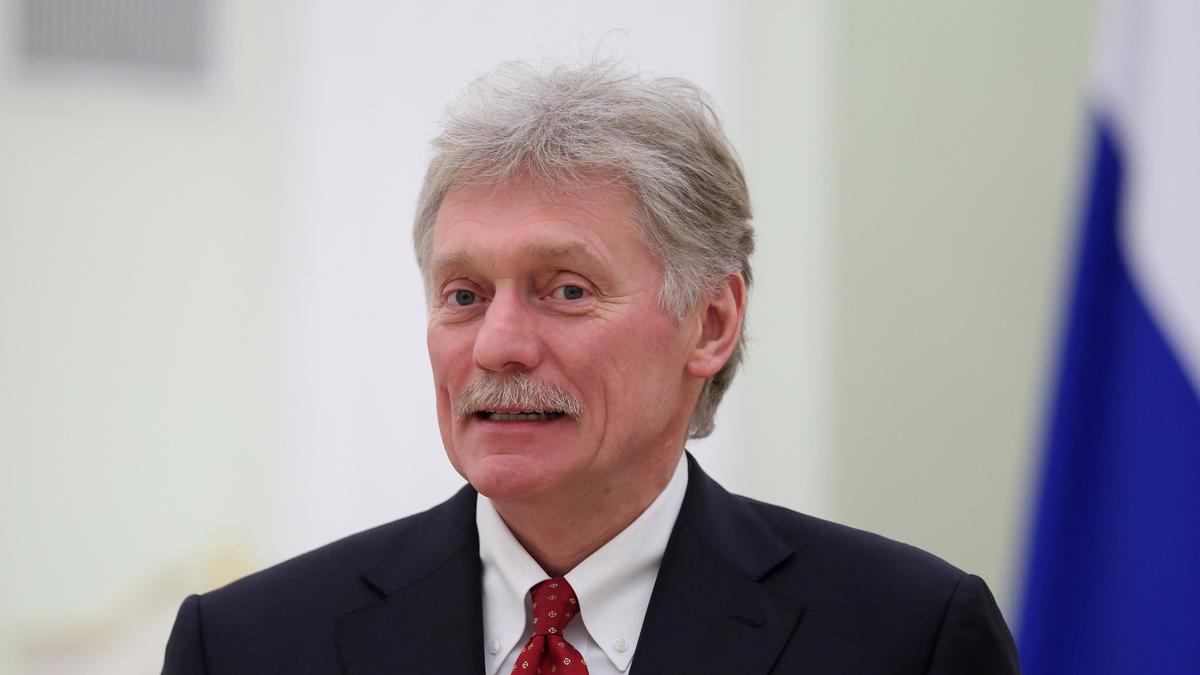
Putin recently held a closed-door meeting in Moscow with leading Russian businessmen, including at least 10 billionaires gathered under the umbrella of the Russian Union of Industrialists and Entrepreneurs, where he raised the idea of large “voluntary contributions” from major business to the state budget. Both government and opposition-leaning accounts agree that the purpose of these payments is to help finance what the Kremlin continues to call the “special military operation” in Ukraine, that the Kremlin has publicly confirmed the existence of such a proposal through spokesperson Dmitry Peskov, and that some high-profile figures such as Suleiman Kerimov and Oleg Deripaska have reportedly indicated a willingness to contribute. There is also broad agreement that this was the first time Putin so directly and explicitly appealed to big business for war-related funding, that not all top oligarchs were visibly present, and that the contributions are formally framed as voluntary rather than mandated taxes or levies.
Coverage from both sides also converges on basic context: the request comes at a time when the Russian state is under growing fiscal and sanctions pressure from the prolonged war, and when the business elite is already grappling with asset freezes, capital controls, and reputational risk abroad. Both government and opposition sources acknowledge the central role of powerful state-linked corporations and energy interests in shaping wartime economic policy, and they situate the proposal within a broader pattern of the Kremlin seeking to mobilize domestic financial resources to sustain and expand military operations in eastern Ukraine, particularly around Donbas. They further agree that this move ties big business more tightly to the state’s wartime agenda and that it reflects the Kremlin’s expectation that the wealthiest should shoulder more of the material burden as the conflict extends into the medium term.
Areas of disagreement
Nature of the contributions. Government-aligned narratives tend to describe the proposed payments as patriotic, genuinely voluntary support from loyal business leaders who recognize their responsibility to help the country during a difficult period. Opposition outlets instead portray the same “voluntary contributions” as thinly veiled coercion, likening them to informal war taxes extracted under political pressure and fear of state retaliation. While government-facing coverage emphasizes continuity with past partnerships between the Kremlin and big business, critical media frame this as a new, more aggressive phase of asset reallocation under wartime conditions.
Legitimacy of the war aims. Government sources, where they mention it, treat Putin’s statement that Russia will fight “to the borders of Donbas” as a firm but reasonable strategic objective that justifies extra financial mobilization from elites. Opposition outlets spotlight this remark as proof of an open-ended, escalatory war strategy that will keep draining resources and lives, and they argue that oligarch contributions effectively make tycoons direct sponsors of a controversial and costly campaign. In government messaging, funding the operation is a necessary defense measure, whereas opposition coverage casts it as complicity in an unjust war.
Implications for the business elite. Government-leaning coverage tends to stress stability, suggesting that contributions will help preserve the business environment, maintain state support, and protect key companies and sectors amid sanctions. Opposition media instead highlight the risks to oligarchs, suggesting they are being drawn deeper into dependence on the Kremlin, making them more vulnerable to future asset seizures, ad hoc levies, and criminal prosecutions if they refuse or fall out of favor. Where officials describe a partnership between state and business, critics characterize a tightening system of hostage-style relations, in which wealth buys only conditional safety.
Public framing and domestic politics. Government-aligned accounts frame the initiative as evidence of national unity and social solidarity, with wealthy patriots stepping up alongside ordinary citizens and soldiers to share the burden of war. Opposition sources argue that this narrative is largely for show, contending that the public is not being given transparent information about the sums involved, the mechanisms of collection, or the real budgetary pressures driving the move. While state-linked media hint that such contributions could preempt harsher general taxation, critical outlets warn that ordinary Russians may still face additional tax and inflationary burdens even as oligarchs negotiate special deals behind closed doors.
In summary, government coverage tends to present the oligarchs’ “voluntary contributions” as patriotic cooperation that stabilizes the economy and supports legitimate war aims, while opposition coverage tends to depict them as coerced war financing that deepens elite dependence on the Kremlin and entrenches a costly, open-ended conflict.