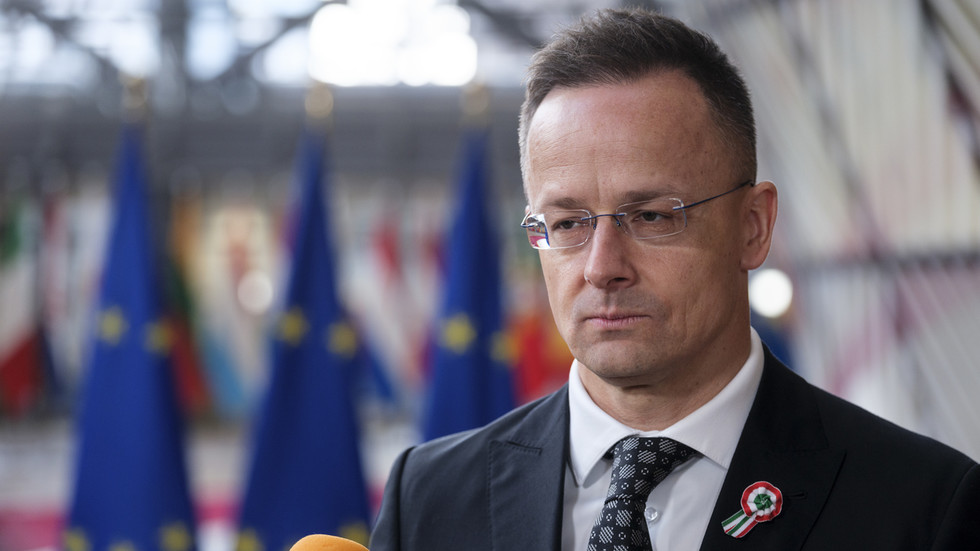
Hungarian and Slovak reports agree that Budapest and Bratislava have announced plans for a new bilateral oil product pipeline connecting the two countries, framed as a response to disruptions on the Druzhba pipeline, which has been blocked for Russian oil supplies since 27 January. The decision was presented publicly by Hungary’s foreign minister Peter Szijjarto, who tied the timing and necessity of the project directly to difficulties in restarting Druzhba flows after Ukraine declined proposals for a trilateral meeting on the issue. Coverage also aligns that both governments have launched retaliatory measures toward Ukraine in parallel with the pipeline announcement, including Hungary and Slovakia moving to block parts of EU financial aid destined for Kyiv and curbing certain energy-related channels.
Across outlets, there is shared acknowledgment that the dispute implicates several institutional layers: Ukraine as a key transit state, the EU as the framework for sanctions and financial support, and Russia as the ultimate supplier via Druzhba. All sides describe the Ukrainian leadership, including President Volodymyr Zelensky, as reluctant to reopen the pipeline on the grounds that doing so could be seen as lifting or diluting sanctions on Russian oil, which creates a policy conflict with the energy security needs of Hungary and Slovakia. There is also agreement that the episode unfolds against the backdrop of ongoing EU debates on long-term financial and military aid to Ukraine, enlargement and membership negotiations, and the broader post‑2022 shift in European energy infrastructure away from Russian sources, with the new bilateral pipeline being portrayed as one of several diversification or workaround projects in Central Europe.
Areas of disagreement
Motives for the new pipeline. Government-aligned coverage portrays the Hungary–Slovakia pipeline as a pragmatic, defensive measure to protect national energy security after Ukraine’s refusal to engage on restarting Druzhba, emphasizing that Budapest and Bratislava were effectively forced to act. Opposition-oriented narratives are more likely to frame the project as politically motivated, suggesting it serves to entrench reliance on Russian-linked oil flows and to give the Hungarian government leverage within the EU. While pro-government outlets highlight urgency and technical necessity, opposition voices emphasize strategic signaling, domestic political gain, and possible misalignment with broader EU energy transition goals.
Characterization of Ukraine’s role. Government sources tend to depict Ukraine as an obstructive partner, using words like blackmail and suggesting Kyiv is deliberately leveraging the pipeline shutdown to pressure Hungary on elections, sanctions, or aid votes. Opposition coverage, where it appears, more often justifies or contextualizes Ukraine’s stance as consistent with a hard line on Russian sanctions, arguing that keeping Druzhba closed is a legitimate tool in wartime. In this framing, government rhetoric is criticized as needlessly inflammatory and as scapegoating Ukraine for vulnerabilities that stem from Hungary’s long-standing dependence on Russian energy.
Link to EU policy and sanctions. Government-aligned outlets present Hungary’s threats to withhold support for EU financial and military aid packages to Ukraine, and for Kyiv’s EU membership path, as legitimate instruments to defend national interests and obtain fair treatment over energy routes. Opposition reporting tends to argue that tying EU-level decisions to a bilateral pipeline dispute is irresponsible, undermines EU unity, and risks isolating Hungary within the bloc. While pro-government narratives stress sovereignty and fairness, opposition narratives stress the costs of brinkmanship for Hungary’s diplomatic standing and for the credibility of EU sanctions and enlargement policy.
Domestic political framing. Government media largely echo Szijjarto’s claim that external actors, including Ukraine, are attempting to interfere in Hungary’s internal politics and upcoming elections, casting the pipeline plan as part of resisting foreign pressure. Opposition outlets are more inclined to see this as a familiar government tactic of externalizing blame, arguing that the conflict is being instrumentalized for domestic mobilization and to justify confrontations with Brussels. In their view, the new pipeline is folded into a broader narrative of grievance politics, whereas government coverage treats it as evidence of a strong, independent foreign and energy policy.
In summary, government coverage tends to portray the pipeline as a necessary, sovereignty-affirming response to Ukrainian obstruction and EU unfairness, while opposition coverage tends to see it as a politically charged move that deepens dependence on Russian-linked energy, damages relations with Ukraine and the EU, and is used to rally domestic support.