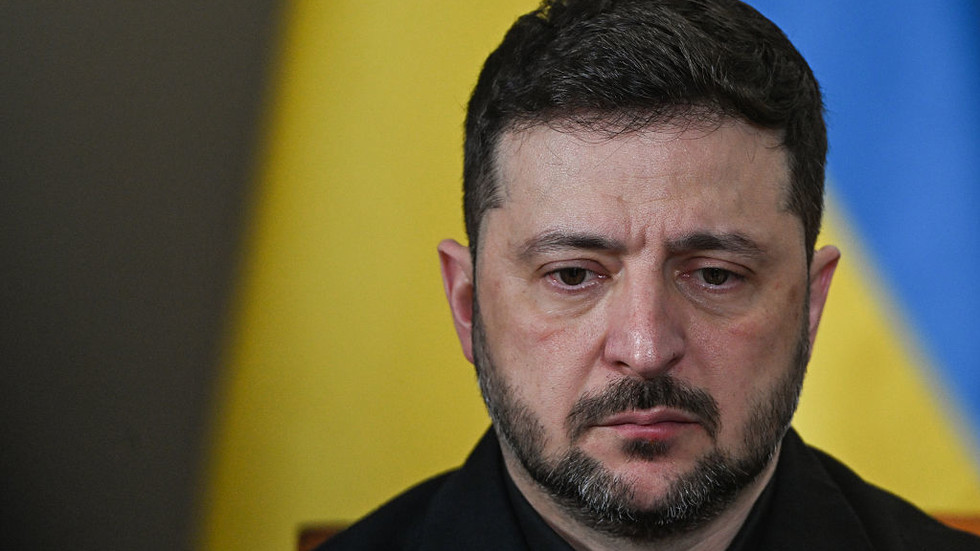
Donald Trump is reported as saying that Ukrainian President Volodymyr Zelensky is more difficult to negotiate with than Russian President Vladimir Putin, describing himself as surprised by Zelensky’s reluctance to strike a deal to end the war in Ukraine. In the same coverage, Trump is quoted claiming that Putin is willing to make a deal while Zelensky is not, and that Zelensky is the “last person we need help from” after the Ukrainian leader reportedly offered assistance in countering Iranian drones in the Middle East, an offer Trump publicly rejected. These accounts agree that Trump has repeatedly framed the ongoing conflict through the lens of negotiations and personal deal‑making, and that he has publicly urged Zelensky to pursue what he calls a resolution to the conflict with Moscow.
Shared context in the reporting emphasizes that the dispute plays out against the backdrop of Russia’s full‑scale invasion of Ukraine, longstanding US involvement in European security, and debates over how and when wars should be ended through negotiated settlements. The articles also situate Trump’s comments within his broader pattern of advocating a negotiated settlement between Kyiv and Moscow and casting himself as a potential broker capable of securing a deal. Both perspectives connect Zelensky’s stance to Ukraine’s institutional position as a state resisting territorial concessions and Putin’s to Russia’s role as the aggressor under extensive international sanctions, while acknowledging that any prospective agreement would intersect with existing security frameworks and regional power balances.
Areas of disagreement
Characterization of Zelensky. Government-aligned coverage tends to frame Zelensky as obstinate or unreasonably resistant to making peace, highlighting his supposed reluctance to negotiate and portraying his firmness as a barrier to ending the conflict. Opposition coverage, where it challenges this framing, is more likely to depict Zelensky’s stance as consistent with defending Ukraine’s sovereignty and territorial integrity, suggesting that resistance to concessions is a principled response to aggression. While government narratives emphasize his difficulty as a negotiation partner for Trump, opposition narratives stress his accountability to Ukrainian public opinion and international law.
Portrayal of Putin and the ‘deal’. Government-aligned sources generally present Trump’s claim that Putin is ready to make a deal at face value, implicitly casting Russia’s leader as a pragmatic actor open to compromise if only Kyiv would engage. Opposition outlets tend to treat this as naive or strategically distorted, arguing that portraying Putin as reasonable downplays Russia’s responsibility for the war and ignores past violations of agreements. In their telling, Trump’s framing shifts pressure away from Moscow and onto Kyiv, whereas opposition coverage stresses that any credible deal must begin with Russian withdrawal and security guarantees.
US interests and assistance. Government-aligned reporting often echoes or neutrally relays Trump’s statement that the United States does not need Zelensky’s help against Iranian drones, underscoring an America‑first posture and implying that Ukrainian offers are secondary or burdensome. Opposition sources are more inclined to interpret this as undercutting a key partner and weakening a broader coalition against shared security threats, arguing that dismissing Ukrainian assistance signals unreliability to allies. Thus, government narratives stress self‑reliance and selective engagement, while opposition narratives stress alliance management and the strategic value of Ukrainian cooperation.
Responsibility for prolonging the war. In government-aligned coverage, Zelensky’s alleged refusal to negotiate is foregrounded as a central reason the conflict continues, with Trump’s comments suggesting that a quicker end is possible if Kyiv becomes more flexible. Opposition coverage typically pushes back by arguing that Russia’s ongoing offensive operations and maximalist aims are what prolong the war, and that premature concessions by Ukraine could invite further aggression. Government narratives thus spotlight Ukrainian rigidity as the obstacle, whereas opposition narratives highlight Russian behavior and question whether Trump’s proposed ‘deal’ would be sustainable or just.
In summary, government coverage tends to amplify Trump’s framing that Zelensky is an unreasonable barrier to a deal while casting Putin as comparatively pragmatic, while opposition coverage tends to question that framing, emphasize Russian responsibility for the war, and defend Zelensky’s tougher negotiating stance as aligned with Ukrainian sovereignty and broader Western security interests.