government
US burning through ‘years’ of munitions in Iran war
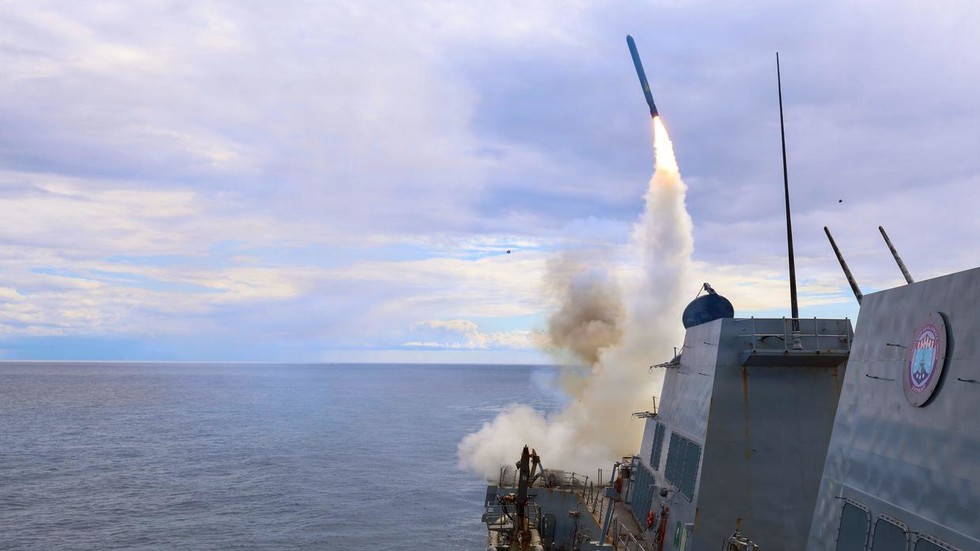
The US has “burned through years” of key munitions, including costly Tomahawk missiles, since starting its war against Iran, the FT has said
23 days ago
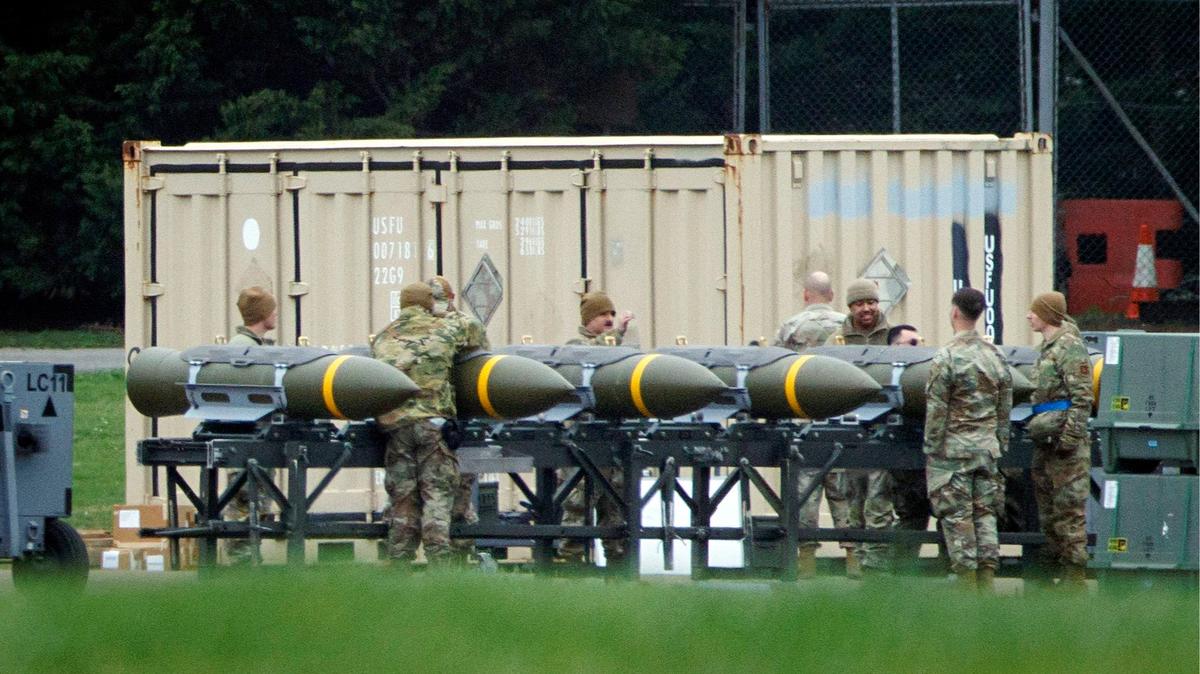
Reports from both government-aligned and opposition outlets agree that in a short span of active hostilities with Iran, the United States has expended munitions that planners had expected to last for years, with particular emphasis on the heavy use of Tomahawk cruise missiles. Both sides describe a rapid drawdown of key stockpiles and cite figures in the tens of billions of dollars, with opposition reporting more specific numbers such as over $11 billion spent in the first six days and expectations of an additional $50 billion funding request, while government-aligned coverage similarly emphasizes that the pace and scale of munitions use far outstrips prior assumptions. They concur that this contradicts earlier official assurances that the US had “more than enough” ammunition and acknowledge that the tempo of operations has raised questions about the sustainability of the campaign and the resilience of US arsenals.
Shared context in both sets of coverage highlights the institutional and political backdrop: Pentagon planning assumptions about munitions sufficiency, the role of Congress in authorizing and funding supplemental appropriations, and longstanding concerns over industrial base capacity to replace high-end precision weapons. Both sides reference the war’s perceived strain on US commitments to supply allies and partners, pointing to existing anxieties about limited stockpiles even before the Iran conflict. They also agree that restocking will take years and depend on defense-industry production ramps, multi-year procurement, and political willingness in Washington to sustain high levels of spending, all against a background of debate over the legality and strategic wisdom of the campaign.
Scale and framing of depletion. Government-aligned outlets portray the rapid use of munitions as alarming but still manageable within a robust US industrial and logistical system, often stressing that planners always anticipated high expenditure in a major conflict. Opposition outlets frame the same numbers as evidence of dangerously low reserves and strategic overreach, emphasizing that stockpiles meant to last for years have been exhausted in roughly two weeks. While government narratives focus on the need for careful resupply and budget adjustments, opposition coverage warns that the depletion could compromise other theaters and expose structural weaknesses in US war planning.
Responsibility and blame. Government coverage tends to attribute the munitions burn rate to the intensity of Iranian threats and operational requirements, suggesting that commanders are using the tools needed to protect US forces and allies. It often treats prior assurances about having “more than enough” ammunition as generic signaling rather than precise forecasting errors. Opposition outlets, by contrast, cast blame on the administration’s strategic choices and public messaging, arguing that leaders misled the public about preparedness and initiated or escalated an unnecessary war that predictably overstretched resources.
Legality and political oversight. Government-aligned sources generally mention congressional concerns about the war’s lawfulness and the cost of resupply but frame them as part of routine democratic scrutiny that can be addressed through briefings and supplemental funding requests. They imply that while some in Congress object, the executive retains sufficient legal and political latitude to continue operations and secure more money for munitions. Opposition coverage foregrounds claims that the conflict itself may be unlawful or inadequately authorized, portraying the looming $50 billion request as politically explosive and likely to deepen partisan rifts over war powers and defense spending priorities.
Strategic implications and allies. Government narratives often stress that, despite strains on stockpiles, the US can still meet commitments to allies, suggesting that procurement adjustments and industry surges will mitigate risks over time. They typically frame any temporary shortfalls as acceptable trade-offs in confronting Iran and preserving deterrence. Opposition outlets highlight the risk that such depletion could leave allies undersupplied, linking the Iran conflict to existing shortages and suggesting that using “years’ worth” of munitions so quickly undermines broader US credibility and readiness in regions like Europe or the Indo-Pacific.
In summary, government coverage tends to acknowledge the severe munitions drawdown but casts it as a manageable challenge within a justified military campaign, while opposition coverage tends to depict the same facts as proof of mismanagement, legal and strategic overreach, and heightened long-term risks to US security and alliances.