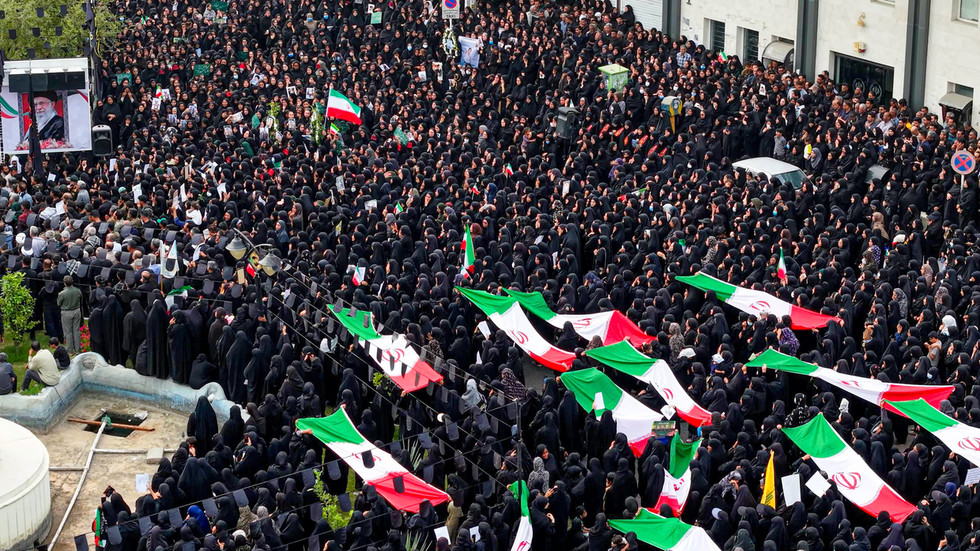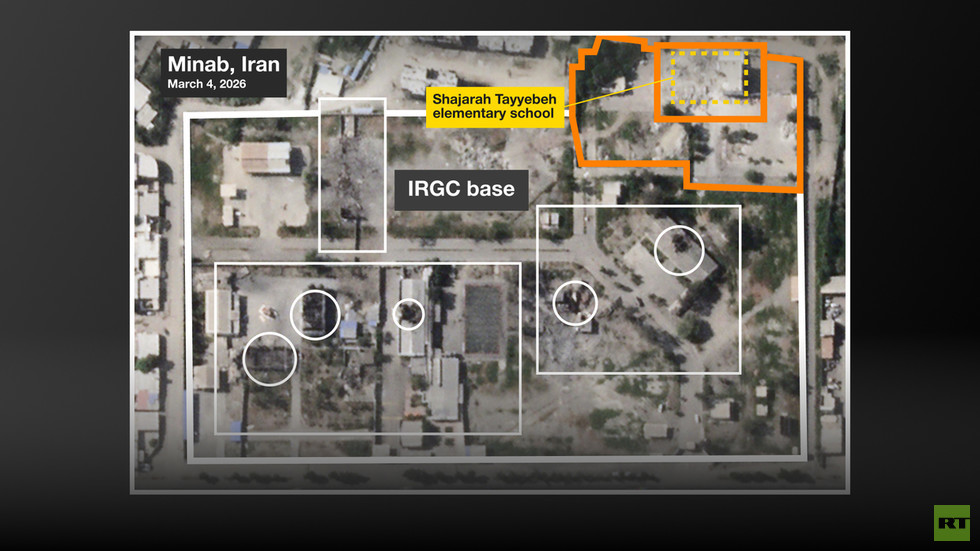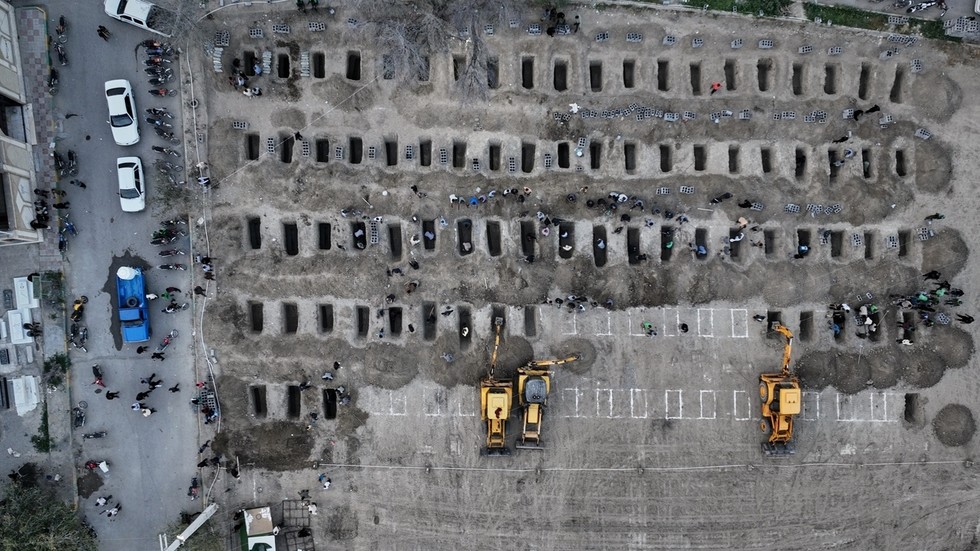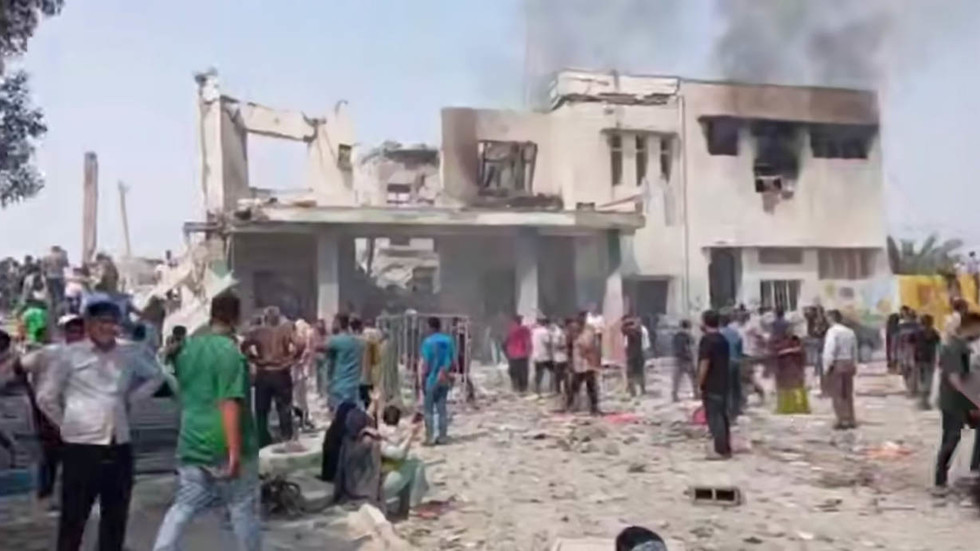
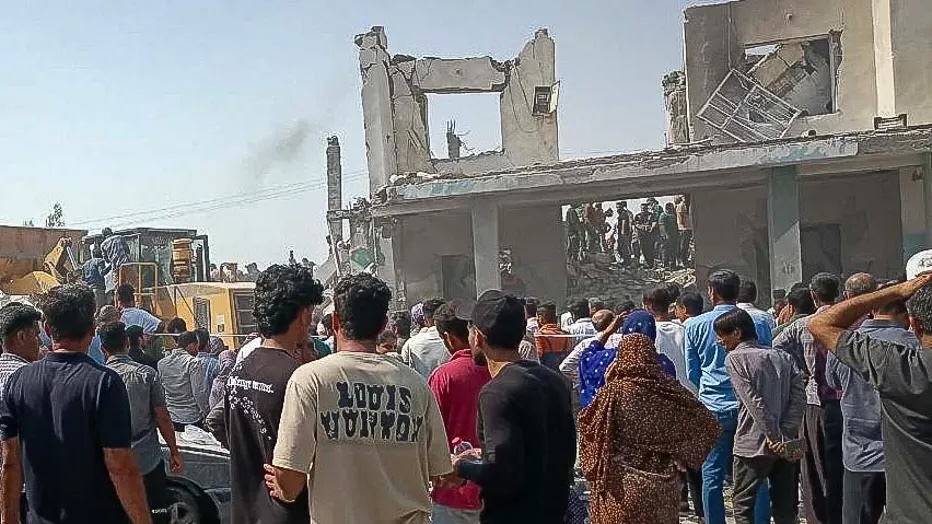
Reports from both government-aligned and opposition-leaning outlets agree that a devastating strike hit a girls’ elementary school in Minab, in southern Iran, causing a very high civilian death toll, predominantly schoolchildren along with teachers and some parents. Across sources, casualty figures vary but consistently indicate mass fatalities, generally in the range of roughly 60 to more than 160 dead and many more wounded, with most reports converging around more than 100 children killed. The incident occurred amid a broader wave of US and Israeli strikes on Iranian targets, including an adjacent or nearby naval or military base, and is treated as part of that larger military operation rather than an isolated event. All sides acknowledge that the attack has prompted intense public mourning in Iran, with thousands attending funerals, and that the strike has triggered international attention, including calls from the UN High Commissioner for Human Rights for an investigation into the circumstances and responsibility for the civilian deaths.
Coverage from both camps situates the Minab school strike within the ongoing confrontation involving Iran, the United States, and Israel, emphasizing that the attack took place in the context of coordinated or overlapping US-Israeli military actions against Iranian facilities. There is shared recognition that the school’s location was in close proximity to an Iranian military or IRGC-linked installation, which was itself being targeted during the broader operation, raising questions about targeting decisions and the handling of intelligence. Both government and opposition sources reference or rely on external investigative work, such as satellite imagery analysis and verification of local testimonies, to reconstruct what happened, and they acknowledge that internal and international investigative processes are underway or being demanded. The strike is universally portrayed as a humanitarian catastrophe, with agreement that it has become a flashpoint in debates over the conduct of military operations, civilian protection, and the use of populated or sensitive civilian sites near or within military infrastructure.
Areas of disagreement
Responsibility and blame. Government-aligned outlets unequivocally attribute the strike to coordinated US and Israeli air operations, citing Iranian officials, alleged identification of pilots and airbases, and US military investigators who reportedly conclude American forces were likely responsible. They frame the attack as either a deliberate atrocity or an inexcusable misidentification driven by US-Israeli hostility toward Iran. Opposition sources, while generally assuming Israeli involvement in the strike itself, place heavy emphasis on the IRGC’s decision to locate a school and clinic inside or immediately adjacent to a base and munitions depot, shifting primary blame toward Iranian authorities for exposing children to foreseeable military risk. In their view, foreign militaries struck a legitimate military facility, while the government’s siting choices turned that attack into a civilian massacre.
Nature of the target and intent. Government-aligned coverage depicts the school as an entirely civilian institution, stressing the ages of the students, the presence of teachers and parents, and the lack of any legitimate military justification for striking it. These outlets highlight analyses suggesting misidentification or use of outdated intelligence at best, and at worst a knowingly indiscriminate or punitive strike on civilians. Opposition reporting, grounded in interviews with verified Minab residents, underscores that the school, clinic, and nearby warehouse were IRGC property within a base perimeter and that munitions were stored directly behind the school, arguing that this made the area a dual-use or effectively military compound. They therefore question whether the primary intent was to hit the school at all or to hit military assets cynically co-located with children.
Culpability of Iranian authorities. Government-aligned media focus almost exclusively on US and Israeli culpability, framing Iran as a victim of external aggression and portraying the state as responding through mourning ceremonies, legal denunciations, and vows of retaliation. They criticize Western media for allegedly downplaying the tragedy or blaming Iran, insisting that the only meaningful crime is the foreign strike itself. Opposition outlets directly accuse the IRGC and the broader Iranian government of endangering civilians by embedding critical infrastructure like schools within or adjacent to sensitive military sites, and they highlight local anger encapsulated in sentiments such as questioning who would build a school inside a military base. From this perspective, the regime’s militarization of civilian space constitutes a form of domestic negligence or abuse that shares responsibility for the children’s deaths.
Media framing and information control. Government-aligned coverage accuses Western and hostile media of double standards, claiming they either ignored the incident or subtly suggested Iran was to blame, and presents Iranian state-linked narratives and funerals as the authentic reflection of public sentiment. These outlets foreground external investigations, like the New York Times analysis pointing to US responsibility, as validation of their claims while downplaying or omitting local testimonies about the base configuration. Opposition reporting, by contrast, positions itself as a corrective to both state propaganda and selective foreign coverage, emphasizing open-source verification of residents, the IRGC ownership of the school and clinic, and on-the-ground skepticism about official casualty numbers and narrative framing. They argue that the regime tightly manages domestic media to focus outrage outward while suppressing discussion of its own role in placing children in harm’s way.
In summary, government coverage tends to portray the Minab school strike as an unprovoked US-Israeli war crime against a purely civilian target and a symbol of Western hypocrisy, while opposition coverage tends to accept likely foreign military responsibility for the strike itself but emphasize the IRGC’s decision to situate a school within a base as a central, regime-made cause of the tragedy.
Story coverage