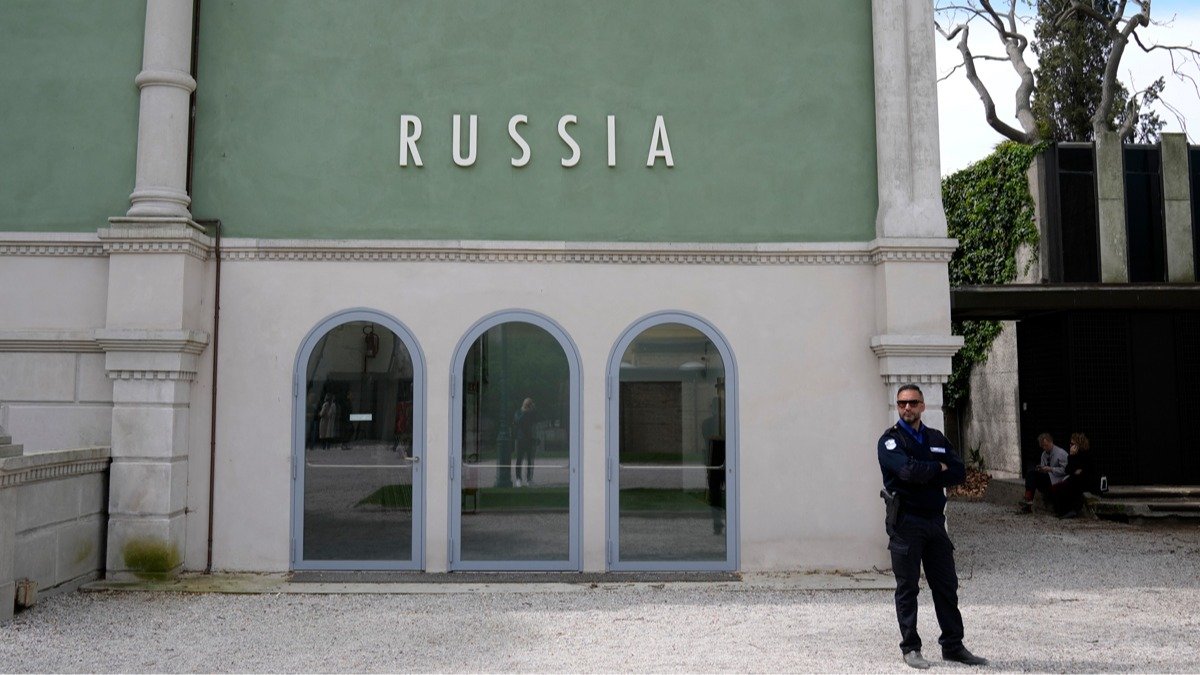

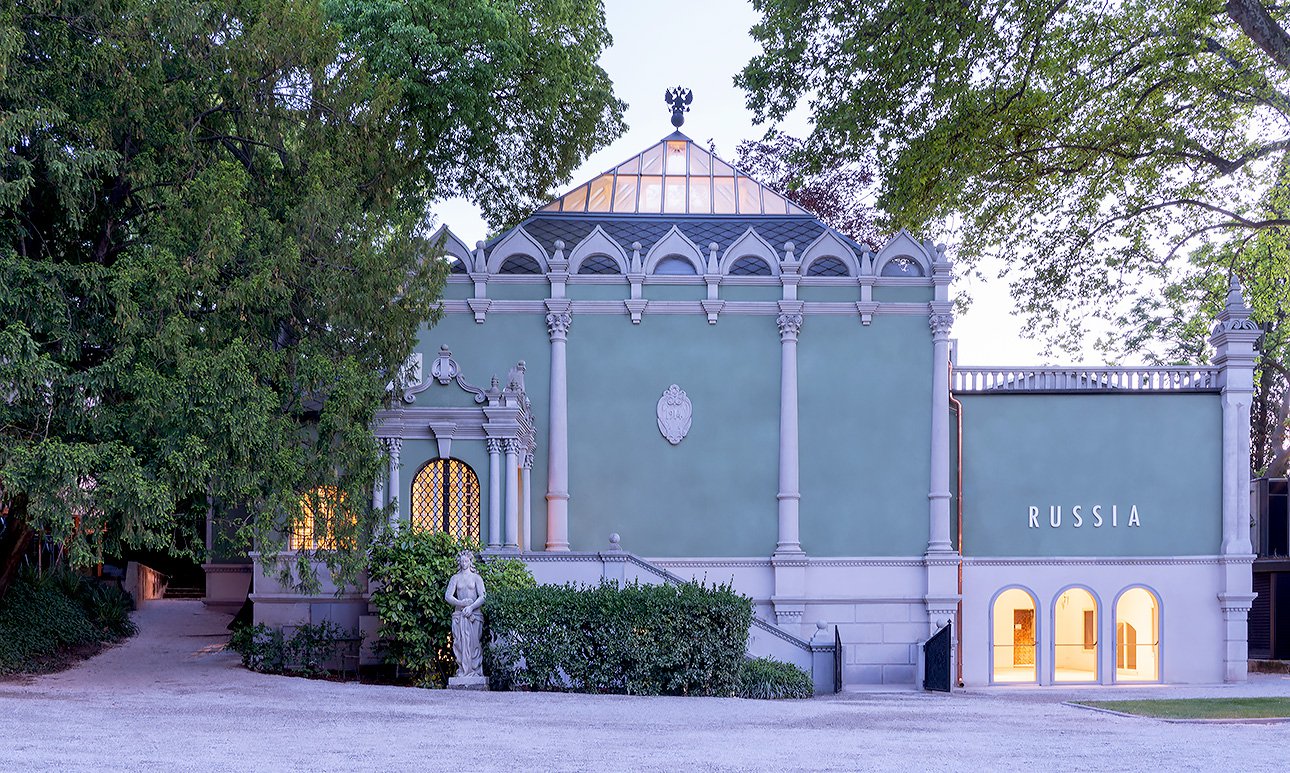
Russia is set to reopen its national pavilion at the 61st Venice Biennale of Contemporary Art in May, marking its first official participation in the event since the full-scale invasion of Ukraine in 2022. Coverage from both government-aligned and opposition sources agrees that the decision was confirmed by presidential envoy for international cultural cooperation Mikhail Shvydkoy, that the pavilion will host a project titled or thematically framed around reconnecting Russian culture with the world, and that it will feature more than 50 young musicians, poets, philosophers, and other creatives from multiple countries. Both sides note that the Venice Biennale administration has clarified that participation in national pavilions is decided by the respective countries themselves, and that Russia’s withdrawal or absence in 2022–2023 was tied to the political fallout from the invasion of Ukraine rather than a formal expulsion. They also concur that activist group Pussy Riot and other critics are preparing protests to coincide with the reopening of the pavilion, highlighting the controversy surrounding Russia’s cultural return.
Across both government and opposition reporting, there is shared acknowledgment that Russia’s pavilion has long been an institutional pillar of the Biennale’s national pavilion system, and that its reopening is symbolically significant after a hiatus linked to the war in Ukraine. Outlets on both sides describe the project’s declared intent as demonstrating that Russian culture should not be seen as isolated or “canceled,” and they reference broader debates over cultural boycotts and the distinction between state policy and cultural production. They situate the event within the framework of international cultural diplomacy, where national pavilions are used to project soft power and shape narratives about a country’s identity and values. Both perspectives also agree that the Biennale, as an institution, has attempted to maintain a position of procedural neutrality by emphasizing that it does not select national participants but administers a platform where each state decides on its own involvement.
Areas of disagreement
Framing of Russia’s return. Government-aligned coverage typically presents the reopening of the pavilion as a natural and rightful reintegration of Russia into the global cultural arena, portraying the hiatus as an unfortunate interruption driven by external political pressures rather than by Russia’s actions. Opposition outlets, by contrast, frame the return as a calculated attempt by the Kremlin to rehabilitate its international image through culture while the war in Ukraine continues, describing the move less as normalization and more as a strategic PR exercise. While pro-government narratives emphasize continuity of Russia’s historic presence at Venice, opposition reporting stresses the rupture created by the invasion and treats the comeback as controversial rather than routine.
Meaning of ‘cancellation’ and cultural boycott. Government-aligned media tend to amplify the pavilion organizers’ language about resisting the “cancellation” of Russian culture, casting Russian artists as collective victims of politicized Western boycotts and suggesting that art should stand outside geopolitical conflicts. Opposition sources acknowledge the rhetoric about anti-cancellation but often argue that invoking “canceled Russian culture” obscures the state’s responsibility for the war and instrumentalizes artists as a shield against criticism. Where official-leaning coverage uses the project to claim that Russian culture remains universally relevant and unjustly marginalized, opposition outlets depict the same framing as an attempt to shift focus away from Ukraine and from discussions of sanctions, war crimes, and accountability.
Role of the Venice Biennale and international institutions. Government-friendly reporting tends to highlight the Biennale’s statement that countries themselves decide participation, inferring that Russia’s presence is a routine administrative matter and an implicit acknowledgment of its legitimacy as a cultural actor. Opposition coverage, however, stresses that while the Biennale is procedurally neutral, international institutions are still operating under intense moral and political pressure, and that allowing a fully state-backed Russian pavilion risks normalizing an aggressor state in a high-profile cultural forum. Official narratives lean on the Biennale’s neutrality to depoliticize the decision, whereas critical outlets argue that such neutrality is itself political when one side is waging an ongoing war of aggression.
Portrayal of protests and dissent. Government-aligned outlets typically minimize or downplay the scale and significance of planned protests, depicting groups like Pussy Riot as marginal activists or habitual provocateurs whose actions do not represent mainstream cultural sentiment. Opposition sources foreground these protests as a central element of the story, treating them as a legitimate moral and political response to Russia’s readmission and emphasizing that many artists, including Russian dissidents, view the pavilion as an extension of state propaganda. In this telling, demonstrations are not fringe disruptions but an integral part of the Biennale’s contemporary politics, directly challenging the state’s attempt to separate its cultural showcase from its military actions.
In summary, government coverage tends to depict the Venice pavilion’s reopening as a normal, apolitical restoration of Russia’s rightful cultural presence and a stand against unfair “cancellation,” while opposition coverage tends to frame it as a controversial instrument of soft power that seeks to launder the state’s image amid an ongoing war and is rightly contested by activists and dissident artists.