
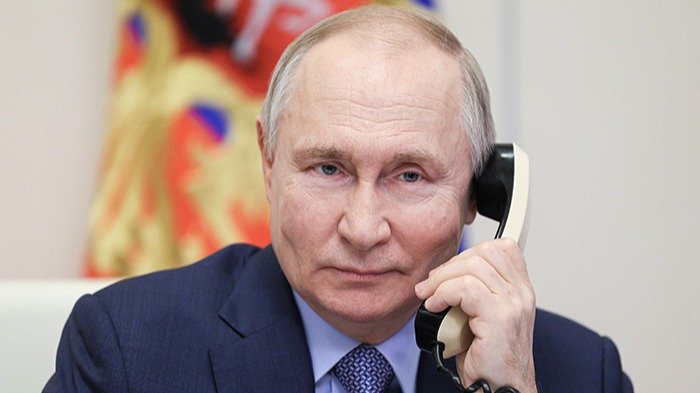
Russian and opposition-aligned outlets converge on several core facts: authorities are preparing to impose a near-total block on the Telegram messenger service in Russia in early April, with a carve‑out that initially allows continued use on or near the front lines. Both sides report that the move is being justified by officials as a response to security concerns, including claims that Telegram is being used for recruitment into unlawful activities and that its uncontrolled channels pose risks to Russian military personnel. They agree that the idea of restricting Telegram was highlighted at a publicized meeting between Vladimir Putin and female military personnel, where Lieutenant Colonel Irina Godunova described Telegram as an enemy‑type communication tool and raised concerns about its impact on troops’ safety. Media on both sides also reference sourcing close to the Kremlin, relayed via RBC and other outlets, indicating that the decision has effectively been made, even though technical details of implementation and the precise scope of exceptions for the front remain under discussion.
Coverage from both government and opposition sources places the Telegram issue within the broader context of wartime information control, the role of Russian security services, and the state’s evolving digital governance strategy. There is shared recognition that Telegram has become a critical tool for communication among civilians and soldiers alike, as well as a platform for political content, mobilization, and real‑time battlefield reporting. Both camps highlight the longstanding tension between Russian regulators and Telegram, recalling earlier attempts to restrict the service and the eventual informal accommodation that allowed it to operate widely inside Russia. They also acknowledge that any new ban would likely be framed as part of ongoing efforts by state institutions to centralize control over information flows and protect minors and service members from what authorities describe as hostile influence and criminal recruitment online.
Areas of disagreement
Motives and security rationale. Government-aligned coverage is likely to emphasize the security logic of the decision, portraying the planned block as a necessary response to illegal recruitment, protection of minors, and the need to safeguard troops from enemy intelligence and disinformation. Opposition outlets, by contrast, frame the same security justifications as a pretext for tightening domestic information control, stressing that Telegram’s political channels and independent reporting are the real targets. While official narratives would cast the move as defensive and technical, opposition reporting underlines its political character and highlights how often security language has been used to justify broader censorship.
Role of Putin and the military. Government-leaning media tend to present Putin’s exchange with Lieutenant Colonel Irina Godunova as an organic response to frontline concerns, suggesting that soldiers themselves initiated the push to block Telegram and that the president merely endorsed their professional judgment. Opposition sources depict this interaction as stage-managed or at least politically instrumental, arguing that military personnel were used to legitimize a predecided policy and to signal elite consensus without open debate. Where state-friendly narratives stress responsiveness to the troops and commander-in-chief responsibility, opposition coverage underscores top-down control and the symbolic use of uniformed voices to sell a controversial restriction.
Impact on society and front-line operations. Government narratives are likely to downplay the disruptive effects on civilians, presenting the ban as targeted, manageable, and accompanied by alternatives, while stressing that necessary military communications will be preserved through temporary exceptions and more secure channels. Opposition media instead warn of sweeping social and practical consequences, pointing out that Telegram has become a backbone for everyday communication, small business, and wartime news, and that even temporary exceptions for the front may eventually be rolled back. They emphasize risks to information access and battlefield coordination, arguing that the move could hurt ordinary users and soldiers more than it hinders hostile actors.
Legal process and inevitability. Pro-government coverage is expected to frame the block as a lawful, institutional decision taken after expert consultation, portraying the early April timeline and references to recruitment as evidence of a measured, rules-based response. Opposition reporting stresses the opaque nature of the process, citing anonymous Kremlin sources about a “final” decision and highlighting the absence of public consultation, clear legal reasoning, or technical transparency about how the block will be implemented. While government-aligned outlets would present the outcome as a predictable application of existing regulations, opposition media portray it as another discretionary, politically driven step in an ongoing escalation of digital repression.
In summary, government coverage tends to present the planned Telegram block as a security-driven, institutionally justified response to unlawful activity and wartime risks, while opposition coverage tends to depict it as a politically motivated clampdown on independent communication, dressed in the language of frontline protection and legal process.
Story coverage