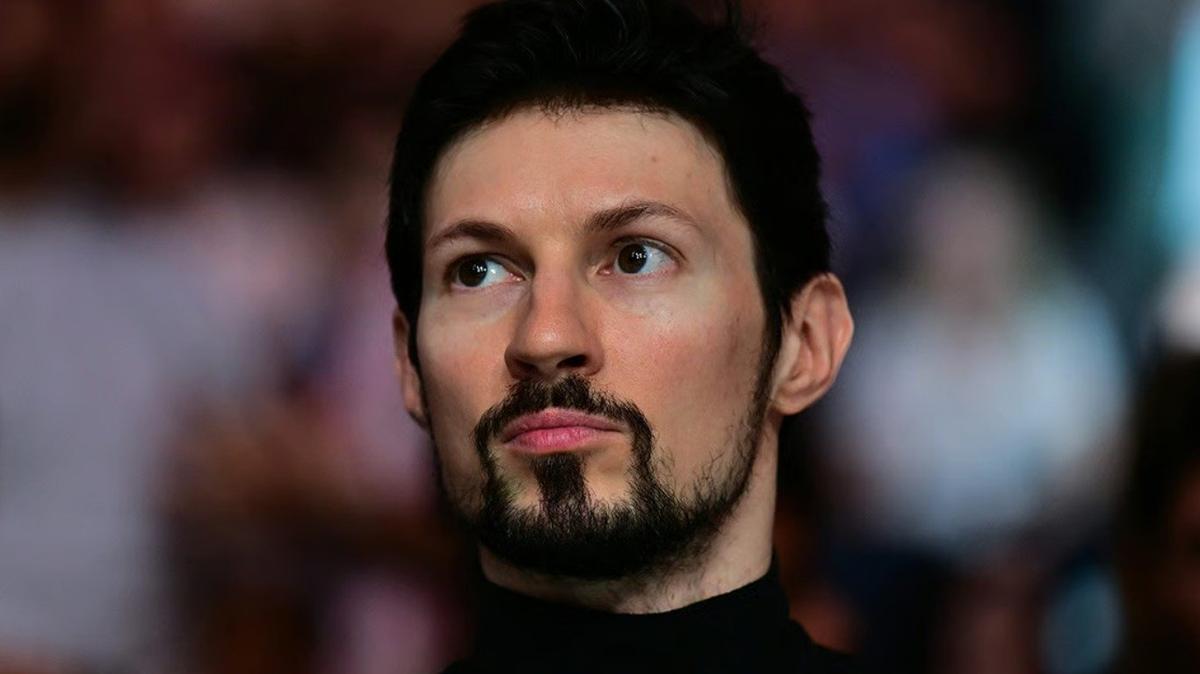
Russian law-enforcement bodies have launched a criminal investigation into Telegram founder Pavel Durov on suspicion of aiding terrorism, focusing on the platform’s alleged use to coordinate or promote extremist and terrorist acts. Both government-aligned and opposition outlets report that the case is framed around Telegram’s purported refusal to remove illegal or terrorism-related content after repeated demands from Roskomnadzor and security agencies, and that the probe is tied to provisions of Russian law concerning the facilitation of terrorist activities. Coverage on both sides notes official claims that Telegram has become a key tool for radicals, terrorists, and foreign intelligence services, with the Federal Security Service highlighting links to NATO countries and the Ukrainian authorities, and that Russian outlets close to the state refer to statistics or claims of reduced cybercrime following technical measures taken against the messenger.
Across both government and opposition reporting, Durov is portrayed as publicly acknowledging that he is under investigation on terrorism-related grounds and as rejecting the charges, saying that the Kremlin is using terrorism as a pretext to weaken encryption, privacy, and free speech. Both sides mention that Russian state media and security officials present the case as part of a broader effort to combat online extremism and foreign influence operations, and they agree that Telegram’s large user base and role as a key communication channel during the war in Ukraine and domestic political tensions have put it at the center of Russian information-control policy. The outlets also converge on the fact that separate from the Russian case, Durov was recently detained in France in a different investigation over platform-related regulatory non-compliance, which they link to growing international scrutiny of encrypted messaging services and the tension between security demands and user privacy.
Areas of disagreement
Nature and purpose of the case. Government-aligned outlets frame the investigation as a law-enforcement response to concrete threats, describing Telegram as a platform that systematically refuses to obey lawful orders and thereby facilitates terrorism and serious crime. Opposition outlets depict the same investigation as primarily political, an escalation in a long-running Kremlin campaign to control the last relatively uncensored mass communication channel and to intimidate its founder. While state media emphasize legal justifications and the need to protect citizens from extremists and foreign intelligence, opposition sources stress timing, rhetoric, and prior conflicts with Durov as evidence that the terrorism label is a tool to justify censorship.
Characterization of Telegram’s role. Government coverage tends to highlight official claims that Telegram is a main operational hub for radicals, criminals, and foreign intelligence networks such as NATO services and the Ukrainian authorities, presenting it as uniquely dangerous compared with other platforms. Opposition coverage acknowledges that extremists use Telegram but portrays this as a common issue for large messaging apps, arguing that authorities selectively exaggerate Telegram’s dangers because it is harder for them to control and widely used by opposition figures and independent media. State-aligned reporting underscores supposed successes from blocking or restricting Telegram functions, whereas opposition outlets question such figures and suggest they serve propaganda aims more than genuine security outcomes.
Portrayal of Durov’s motives and credibility. Government-friendly media cast Durov as an irresponsible or even complicit actor who puts ideology and profit above public safety by refusing to adequately moderate content or cooperate with Russian security demands. Opposition sources present him as a symbolic figure for digital rights, insisting that his resistance reflects principled support for encryption, user privacy, and resistance to authoritarian overreach rather than indifference to crime. In the state narrative, his public accusations of fabricated pretexts are downplayed or dismissed as PR, while in opposition narratives these same statements are treated as credible warnings about how anti-terror laws are weaponized.
Broader political implications. Government coverage situates the case within a broader narrative of defending Russia’s information space from external aggression and internal destabilization, suggesting that stronger control over platforms like Telegram is a sovereign necessity. Opposition outlets instead place the investigation within a pattern of tightening repression ahead of political milestones and amid the war in Ukraine, portraying it as part of a systemic assault on independent media and online dissent. Where state-aligned media stress institutional legitimacy and the formal legal process, opposition coverage emphasizes the chilling effect on users and channels critical of the Kremlin and frames the move as a warning to other tech entrepreneurs.
In summary, government coverage tends to portray the Durov investigation as a necessary and legally grounded counter-terrorism measure targeting a non-compliant platform, while opposition coverage tends to depict it as a politically motivated crackdown aimed at silencing one of the last major spaces for uncensored communication and punishing its privacy-focused founder.