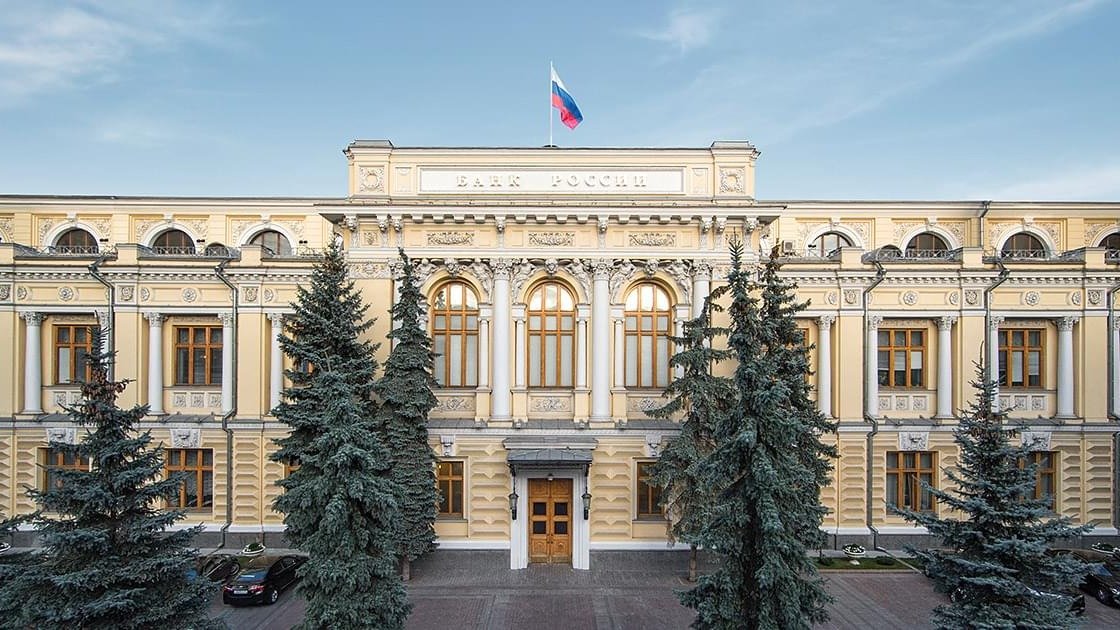
The Bank of Russia has reduced its key rate by 0.5 percentage points from 16% to 15.5% per annum, a move that both government-aligned and opposition outlets report as somewhat unexpected relative to earlier analyst forecasts. They agree that the decision is justified by the regulator as a response to what it describes as the economy’s return to more balanced growth amid continued disinflation, with January’s price spike framed as driven by temporary factors rather than a change in underlying inflation. Both sides note that the central bank kept its main GDP and lending forecasts broadly unchanged, while narrowing the projected range for the key rate over the coming years, and that the regulator emphasizes the importance of inflation expectations and the trajectory of actual price growth for future decisions.
Coverage from both camps highlights that the Bank of Russia views current inflation dynamics as compatible with a gradual policy easing path, even though underlying inflation indicators have not shifted dramatically. They concur that the central bank points to wage growth outstripping labor productivity as a structural concern, and that the updated forecasts include adjustments not only to inflation and GDP but also to factors like the taxable price of oil. Looking ahead, both government and opposition sources stress that further rate cuts will be conditional on a sustained slowdown in inflation, stabilization of expectations, and confirmation that the early-2024 price surge was indeed temporary, with the regulator signaling a medium-term corridor that envisions a lower average key rate by 2026.
Points of Contention
Assessment of the decision. Government-aligned outlets portray the rate cut as a calibrated, confidence-inspiring signal that the central bank is successfully steering the economy toward balanced growth without undermining disinflation, emphasizing the professionalism and prudence of the regulator. Opposition outlets, while acknowledging the technical rationale, tend to frame the move as cautious and possibly overdue, hinting that the prior high rate level weighed heavily on borrowers and growth, and suggesting the step is modest relative to economic strains.
Economic risks and inflation narrative. Government coverage underscores the central bank’s message that disinflation is progressing and that January’s price spike was largely temporary, presenting the updated forecasts as evidence that inflation is controllable within the targeted range. Opposition sources are more skeptical, highlighting that underlying inflation has not changed much and warning that strong wage growth and structural constraints could keep price pressures elevated, thereby casting doubt on how quickly inflation will actually recede in everyday life.
Policy direction and future rate path. Government-aligned media emphasize the narrowing of the future key rate corridor as a sign of policy clarity and macroeconomic stability, presenting the projected 2026 average rate as a reassuring roadmap for businesses and investors. Opposition outlets focus on the conditionality and uncertainty behind those projections, stressing that future cuts are not guaranteed and may be constrained by persistent fiscal pressures, external shocks, and the authorities’ own past tendency to keep rates high for longer than initially signaled.
Impact on households and businesses. Government coverage tends to spotlight the potential benefits for lending and investment, arguing that even a modest reduction in the key rate should ease financing conditions and support continued GDP growth. Opposition reporting more often centers on how limited the immediate relief may be for households and small businesses facing high borrowing costs, suggesting that, in practice, the cut may not significantly improve access to affordable credit or offset previous tightening.
In summary, government coverage tends to frame the rate cut as a well-timed, confidence-building adjustment within a coherent disinflation strategy, while opposition coverage tends to depict it as a cautious, limited move that may understate lingering inflation risks and the ongoing burden of high rates on the real economy.
Story coverage