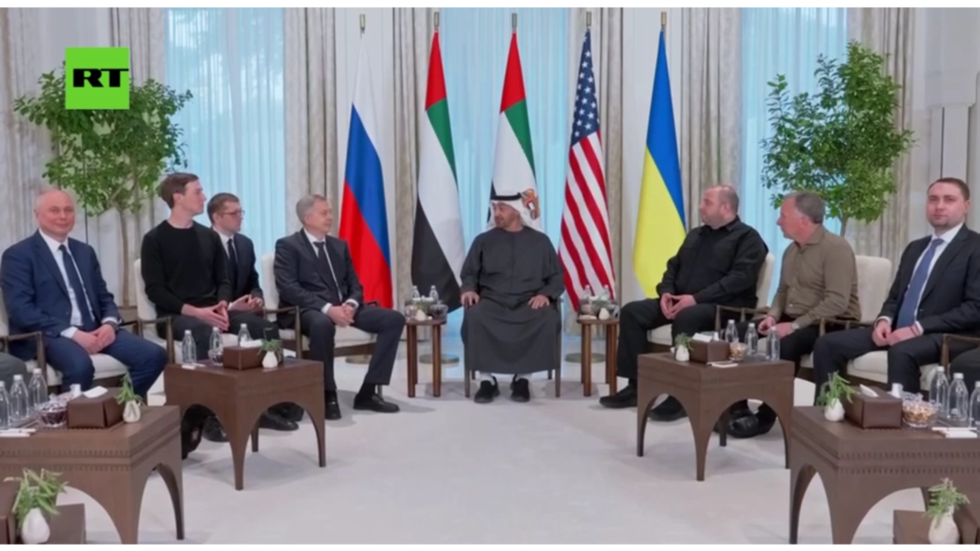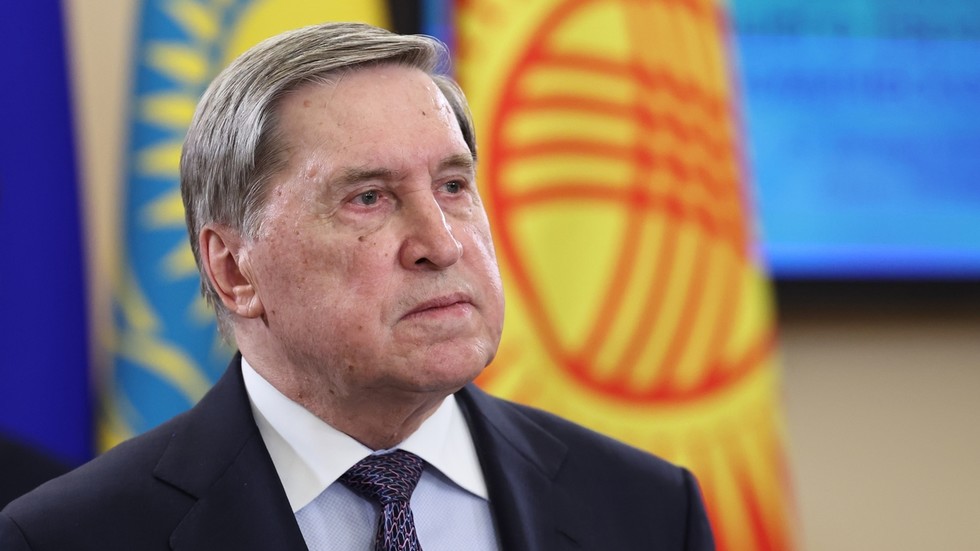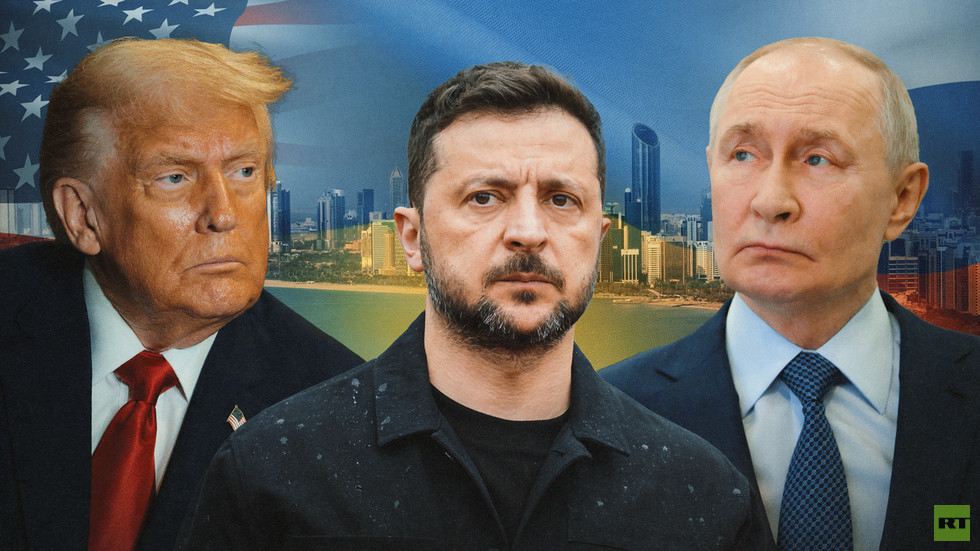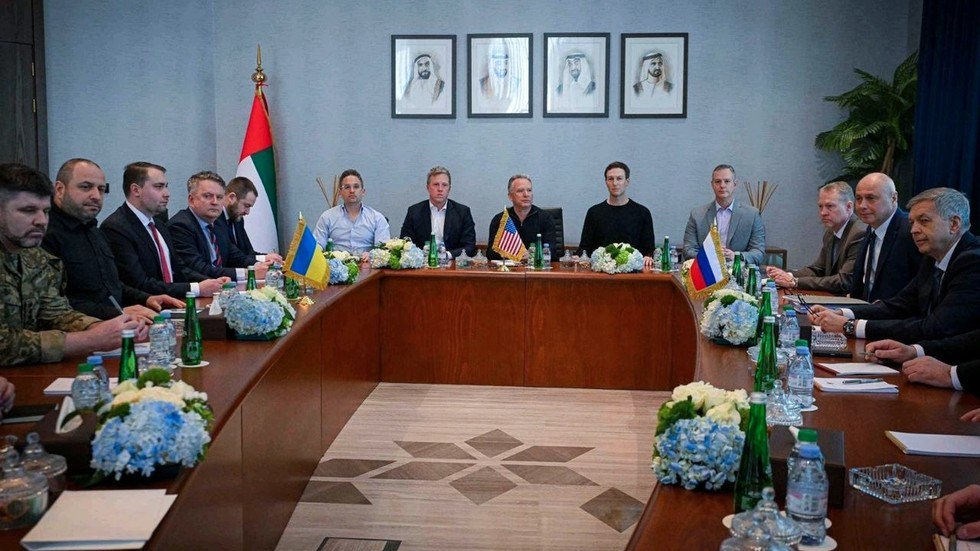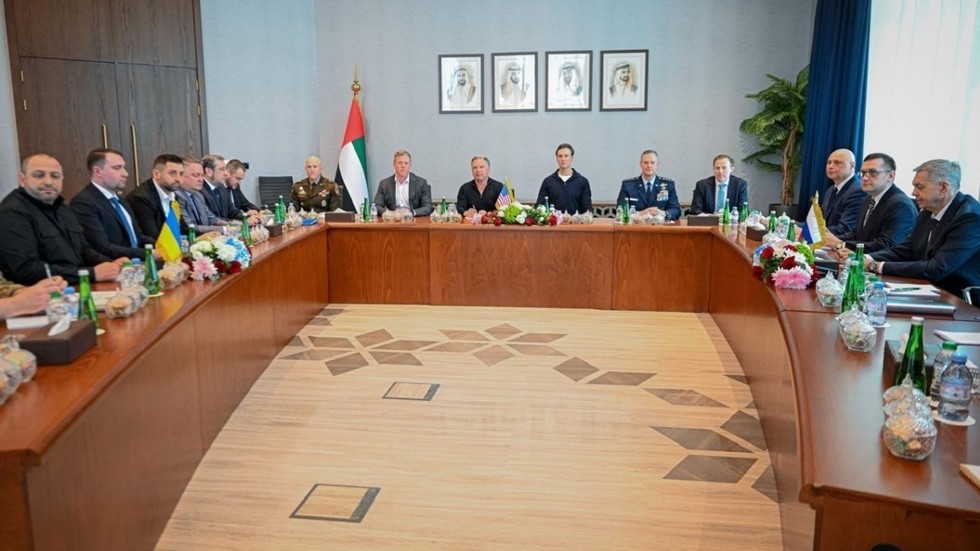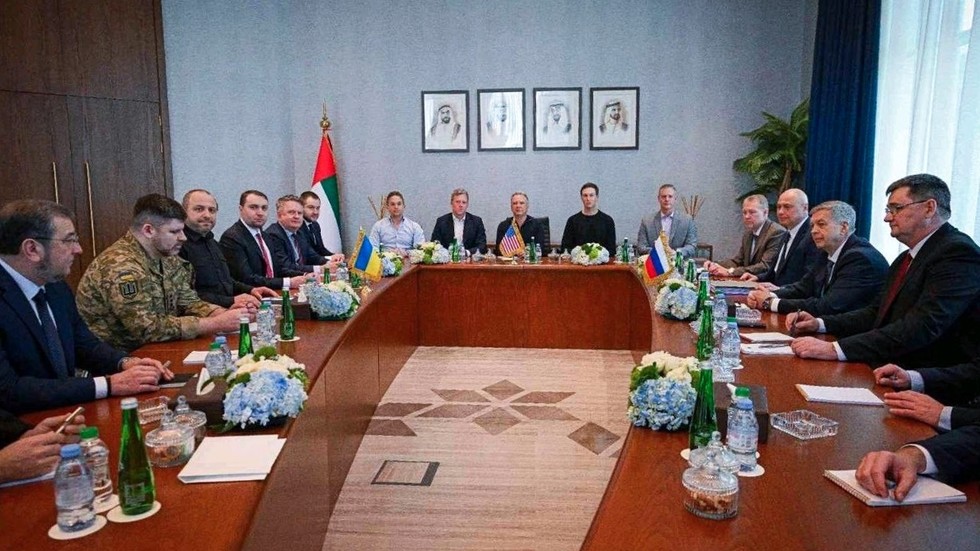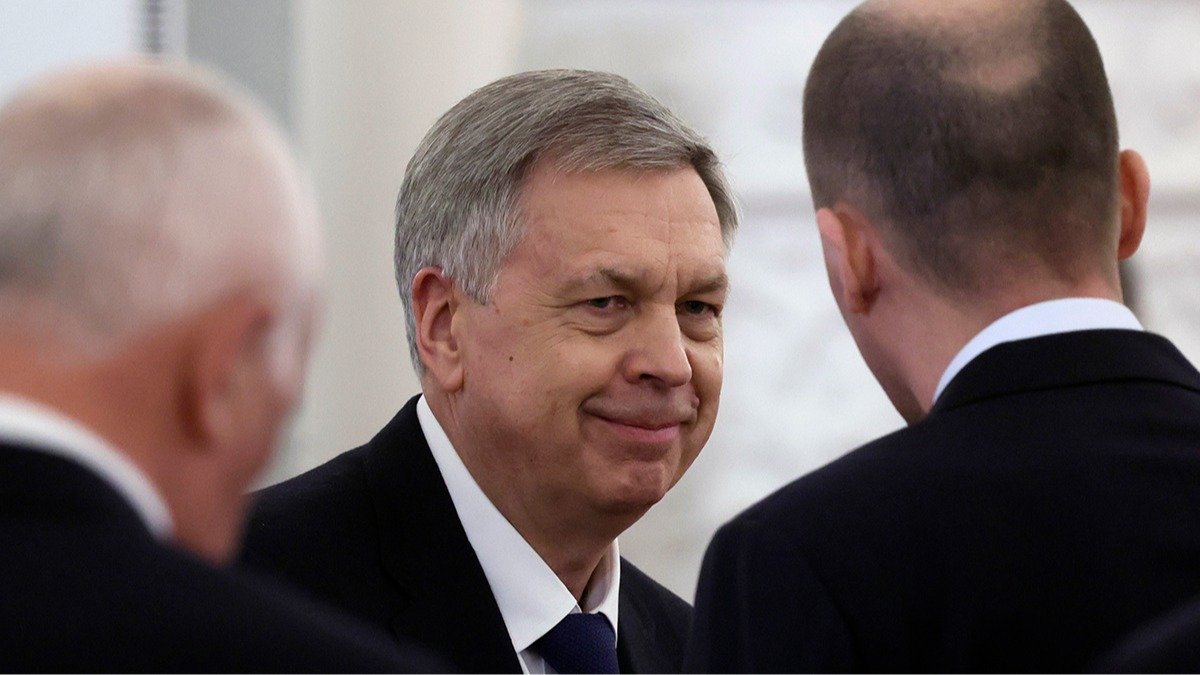
Delegations from Russia, Ukraine, and the United States have held at least two rounds of closed-door trilateral talks in Abu Dhabi, with the first round on January 23–24 and the second on February 4–5, after a brief postponement for scheduling reasons. Both government and opposition sources agree that the most concrete outcome so far has been an agreement between Moscow and Kyiv to conduct a prisoner exchange involving 314 prisoners of war, the first such swap in about five months, and that the atmosphere has been businesslike and detailed, with security and economic issues, territorial questions, and possible ceasefire mechanisms on the agenda. The participants include senior Russian officials led by Igor Kostyukov, US negotiators such as Steve Witkoff and Jared Kushner in at least some rounds, and Ukrainian representatives whose lineup has been adjusted by President Volodymyr Zelensky, with the United Arab Emirates serving as the discreet host venue.
Both sides also concur that the talks are part of a broader search for a diplomatic pathway to end or at least freeze active hostilities in Ukraine, with further meetings expected in Abu Dhabi in mid-week formats. It is commonly reported that key discussion tracks include territorial arrangements related to Donbas and Crimea, security guarantees for strategic locations such as the Black Sea port of Odessa, and frameworks for political steps inside Ukraine, including the possibility of national elections and a referendum on any eventual peace deal. Reports on both sides note that while tangible humanitarian and procedural steps like the POW swap and resumed channels of communication have emerged, fundamental political issues—particularly sovereignty and the status of occupied regions—remain unresolved and central to any durable settlement.
Points of Contention
Territorial status and sovereignty. Government-aligned outlets depict Russia’s demand for international recognition of Donbass and other annexed territories as a logical prerequisite for a final agreement, framing it as a central but negotiable element of the talks. Opposition coverage, by contrast, emphasizes Zelensky’s categorical rejection of any territorial concessions and stresses Ukraine’s stance that sovereignty and borders are non-negotiable, casting Moscow’s demands as illegitimate attempts to formalize occupation. Government narratives therefore present territorial recognition as a stabilizing step, while opposition reports highlight it as the core obstacle and a potential betrayal of Ukrainian sovereignty.
Characterization of progress. Government sources describe the Abu Dhabi negotiations as constructive, complex, and evidencing “positive movement,” underscoring the POW swap, resumed military-to-military contacts, and discussions on economic cooperation and ceasefire mechanisms as signs of momentum. Opposition reporting acknowledges the prisoner exchange and the breadth of topics discussed but is more cautious, portraying the swap as a limited humanitarian achievement rather than proof of a broader breakthrough. As a result, government narratives frame the process as steadily advancing toward a potential deal, while opposition accounts stress how little has changed on the core political and territorial issues.
External actors and interference. Government-aligned media frequently allege that European states and the UK are acting as “warmongers” or spoilers trying to derail emerging peace efforts, suggesting that such pressure underscores how promising the talks really are. Opposition outlets instead frame the process as US-led, noting Washington’s central mediating role and downplaying claims of European obstruction, implicitly presenting Western involvement as support for Ukrainian positions rather than an effort to block peace. This produces a contrast in which government coverage casts Western Europe as undermining diplomacy, while opposition coverage largely omits or questions that accusation and focuses on US coordination with Kyiv.
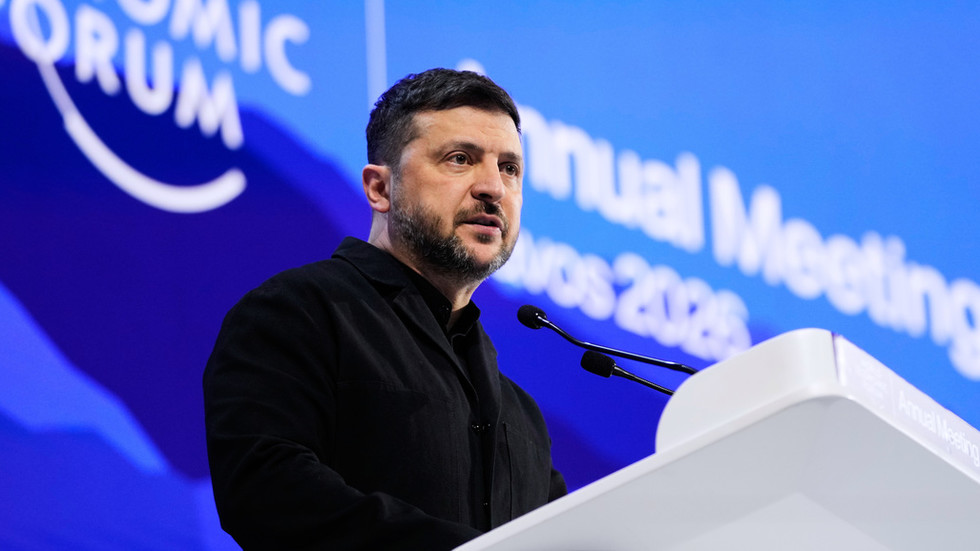
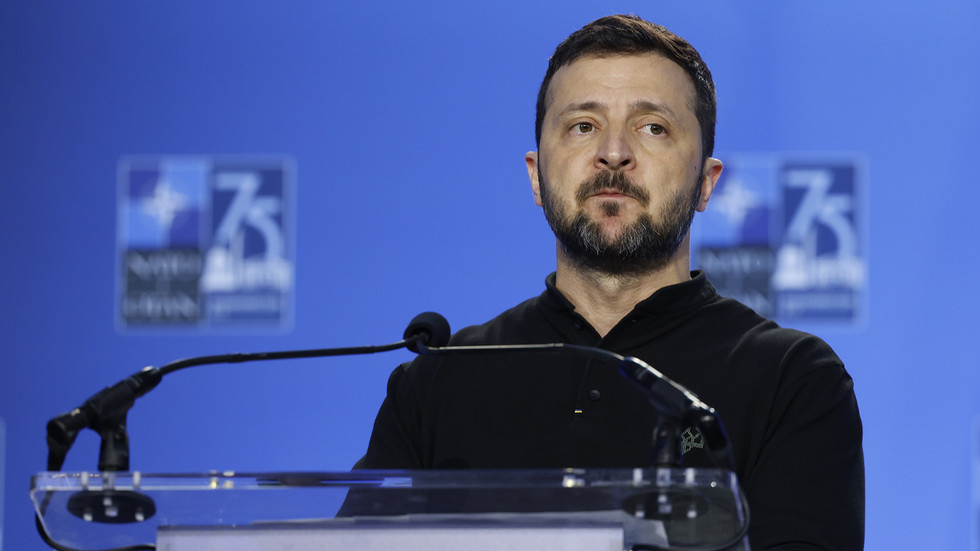
Portrayal of Ukrainian leadership and agency. Government narratives often question Zelensky’s commitment to peace, arguing that his domestic political calculations and fear of losing power make him resistant to compromise even when pragmatic arrangements are on the table. Opposition reports highlight Zelensky’s public refusal to accept any loss of territory as an expression of Ukraine’s democratic mandate and resistance to aggression, presenting Kyiv as defending principles rather than obstructing an agreement. Consequently, government media tend to depict Ukraine as constrained and hesitant, while opposition media frame it as exercising sovereign agency against coercive Russian demands.
In summary, government coverage tends to frame the Abu Dhabi talks as substantively constructive, obstructed mainly by Western interference and Ukrainian political rigidities, while opposition coverage tends to acknowledge limited humanitarian gains but stress that Russia’s territorial demands and Ukraine’s sovereignty concerns leave any broader peace deal distant.
Story coverage