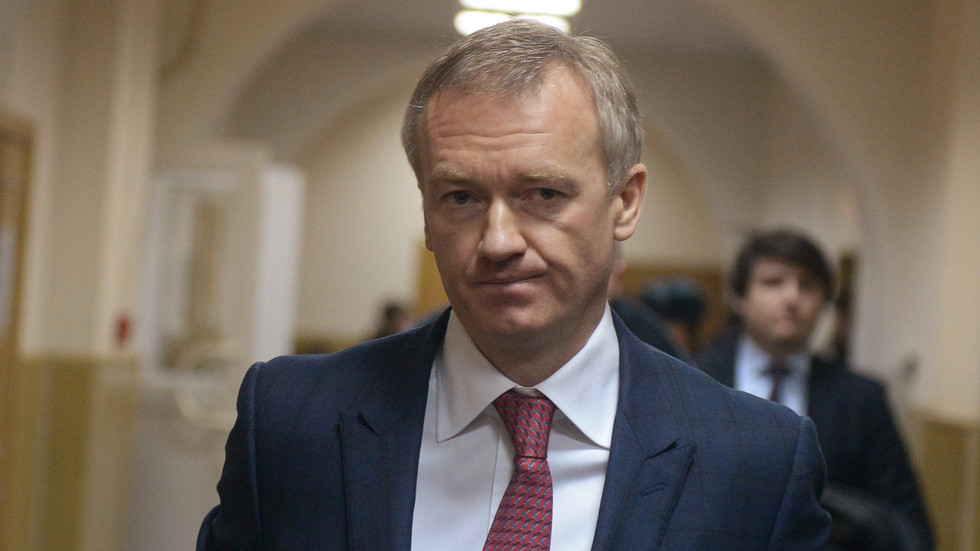
The remains of Vladislav Baumgertner, former CEO of Russian potash producer Uralkali, have been identified in Cyprus through DNA analysis, according to reports that are broadly consistent across aligned outlets. He disappeared in January in the Limassol area, and about a week later a body was found on territory belonging to the British military base within the Akrotiri and Dhekelia British Overseas Territory; subsequent testing confirmed the remains as his. Coverage agrees that the precise cause of death has not yet been determined by the authorities, and that his body is expected to be repatriated to Moscow for burial after completion of the formal procedures.
Shared reporting places the case within the framework of international jurisdiction and investigative cooperation, noting that the area where the remains were discovered is under British, not Cypriot, control, while the deceased was a prominent Russian businessman. Outlets converge on his identity and role as the former head of JSC Uralkali, a major player in the global potash fertilizer market, and stress that investigative steps are ongoing rather than concluded. The common contextual thread is that this is being handled as a sensitive multinational case involving Russian nationals, Cypriot territory, and British sovereign base areas, and that any wider implications remain officially unarticulated pending further forensic and legal findings.
Points of Contention
Circumstances of death and speculation. Government-aligned sources tend to emphasize the absence of an established cause of death and avoid speculating about foul play, framing the situation as an ongoing, technical investigation by competent British authorities. Opposition sources, by contrast, are more likely to question whether the lack of detail masks a more complex story, hinting at potential criminal, political, or business-related motives and pressing for transparency on investigative timelines.
Jurisdiction and international handling. Government coverage typically portrays the British Overseas Territory framework as routine, stressing lawful cooperation between Russian, Cypriot, and British structures and reassuring that Russian consular interests are observed. Opposition narratives tend to cast the jurisdictional setup as a possible obstacle to clarity, raising concerns about limited Russian leverage over the inquiry and suggesting that the British military base setting could constrain public disclosure.
Framing of Baumgertner’s status and past. Government-aligned outlets usually describe Baumgertner in neutral, business-focused terms as a former Uralkali executive, largely decoupling this death from his prior legal and political entanglements. Opposition outlets, on the other hand, are more inclined to revisit his controversial history, including earlier high-profile disputes and investigations, implying that his background may be relevant to understanding why and how he died abroad.
Transparency and public communication. Government coverage generally underscores official statements, stressing that premature conclusions could interfere with the inquiry and presenting limited information as responsible restraint. Opposition coverage is more critical of the sparse details, suggesting that both Russian and foreign authorities may be withholding information and arguing that the public deserves a fuller account of investigative findings and potential scenarios.
In summary, government coverage tends to frame Baumgertner’s death as a sensitive but procedurally ordinary international investigation with minimal speculation and a focus on official channels, while opposition coverage tends to treat the same facts as a potentially opaque case intertwined with his controversial past, jurisdictional complexity, and unanswered questions about motive and responsibility.