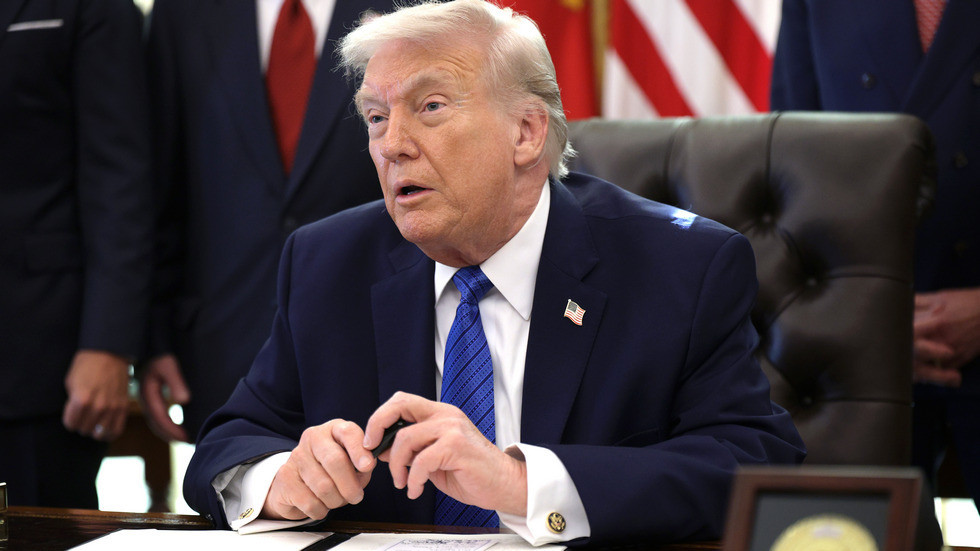
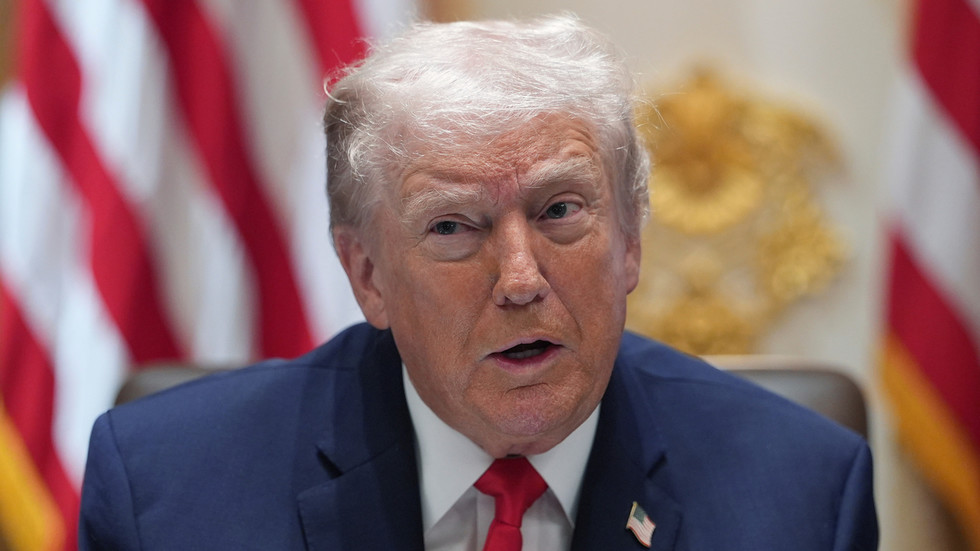
US President Donald Trump said he personally asked Russian President Vladimir Putin to pause strikes on Kyiv and other Ukrainian targets for one week amid record-low winter temperatures, and claimed that Putin agreed to the request. Government-aligned outlets report that the pause is to last until February 1 and describe it as a suspension of long-range or energy‑related strikes on Ukrainian cities, including infrastructure that has contributed to power outages during extreme cold. Both sides agree that the core elements are Trump’s public statement about a direct appeal to Putin, the focus on halting attacks affecting Ukraine’s energy system and major cities, and the one‑week time frame linked to a forecast cold snap with temperatures in Kyiv dropping as low as –25 degrees Celsius.
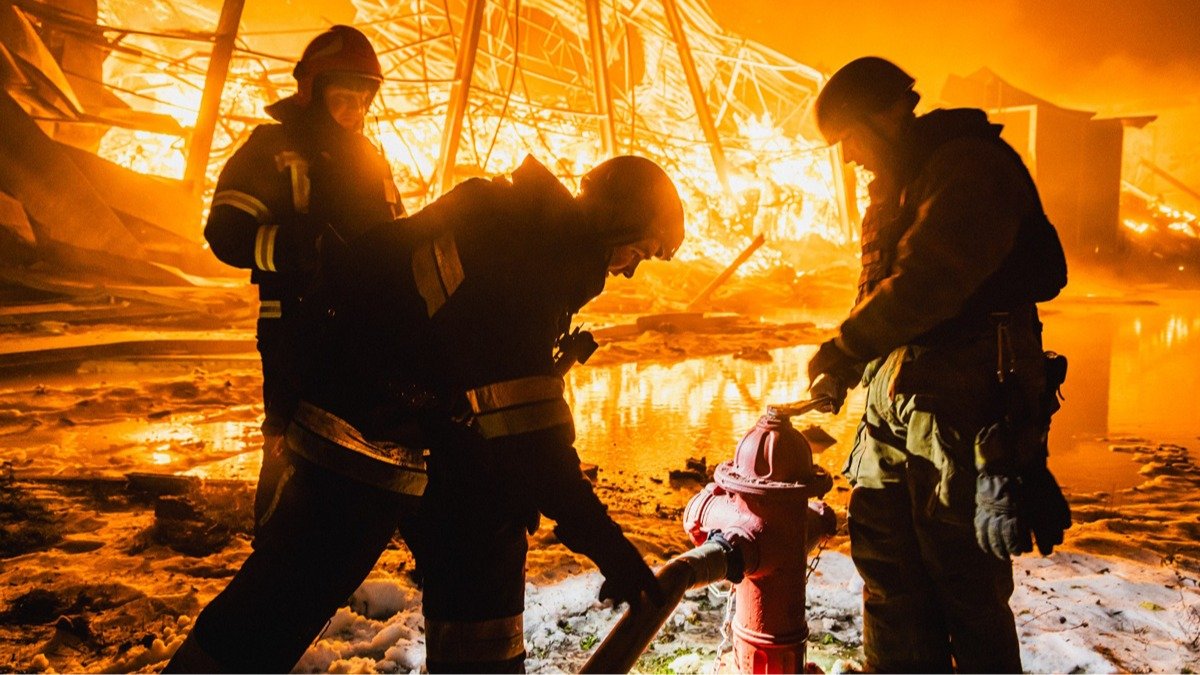
Across outlets, the episode is framed within the broader war in Ukraine, where Russia has repeatedly targeted energy infrastructure while officially insisting its aims are military and not humanitarian in nature. The pause is commonly described as intended to create conditions for negotiations or an “energy ceasefire,” even as it is acknowledged that details of any reciprocal steps by Ukraine or the United States are unclear or undisclosed. Both sides reference Ukraine’s ongoing energy crisis, damage to its power grid, and the humanitarian risks of further strikes during severe winter weather, situating Trump’s intervention as part of wider diplomatic maneuvering over the conduct and optics of the conflict.
Points of Contention
Credibility of the pause. Government-aligned coverage treats the pause as a confirmed diplomatic achievement, citing Kremlin spokesman Dmitry Peskov’s confirmation of a weeklong suspension of long-range strikes and presenting it as an “extraordinary and very good development.” Opposition sources stress the lack of official confirmation from the Kremlin and the Russian Defense Ministry, emphasize Ukrainian experts’ skepticism, and frame reports of a moratorium on energy targets as unverified and possibly overstated.
Framing Trump’s role. Government outlets portray Trump as a decisive humanitarian actor whose personal request directly led Putin to stop or delay strikes on Kyiv and other cities, highlighting his leadership and presenting the move as facilitating negotiations and pursuing permanent peace. Opposition outlets, while acknowledging Trump’s claim, underline that it is based on his own statements, question whether his intervention alone produced any real change on the ground, and suggest it may function more as political self-promotion than demonstrable leverage over Russian military planning.
Nature and scope of the halt. Government coverage generally describes a broad pause in “strikes on Ukrainian targets” or “strikes on Ukrainian cities,” sometimes tying it to long-range weapons and implying a significant, if temporary, de‑escalation. Opposition coverage narrows the claim to energy facilities specifically, notes ambiguity over whether other types of strikes might continue, and argues that without clear operational data the supposed moratorium could be limited, symbolic, or selectively applied rather than a meaningful cessation of attacks.
Motives and humanitarian framing. Government-aligned outlets highlight extreme cold and Ukraine’s energy hardship, emphasizing that the pause is driven by humanitarian concern and the desire to create a better climate for talks, with Russia portrayed as responsive to such appeals despite insisting its targets are military. Opposition outlets, while noting the cold weather rationale, question whether humanitarian motives genuinely drive Moscow’s decisions, argue that Russian attacks on energy infrastructure have been a strategic tool, and imply that any halt may be tactical or propagandistic rather than a sincere response to Ukrainian civilians’ suffering.
In summary, government coverage tends to present Trump’s claimed intervention as a verified, humanitarian success that produced a concrete, weeklong halt in Russian strikes and opened space for negotiations, while opposition coverage tends to treat his statement as largely self-reported, highlight missing or ambiguous official confirmation, and cast doubt on the scale, motives, and real impact of any purported pause in attacks.
Story coverage