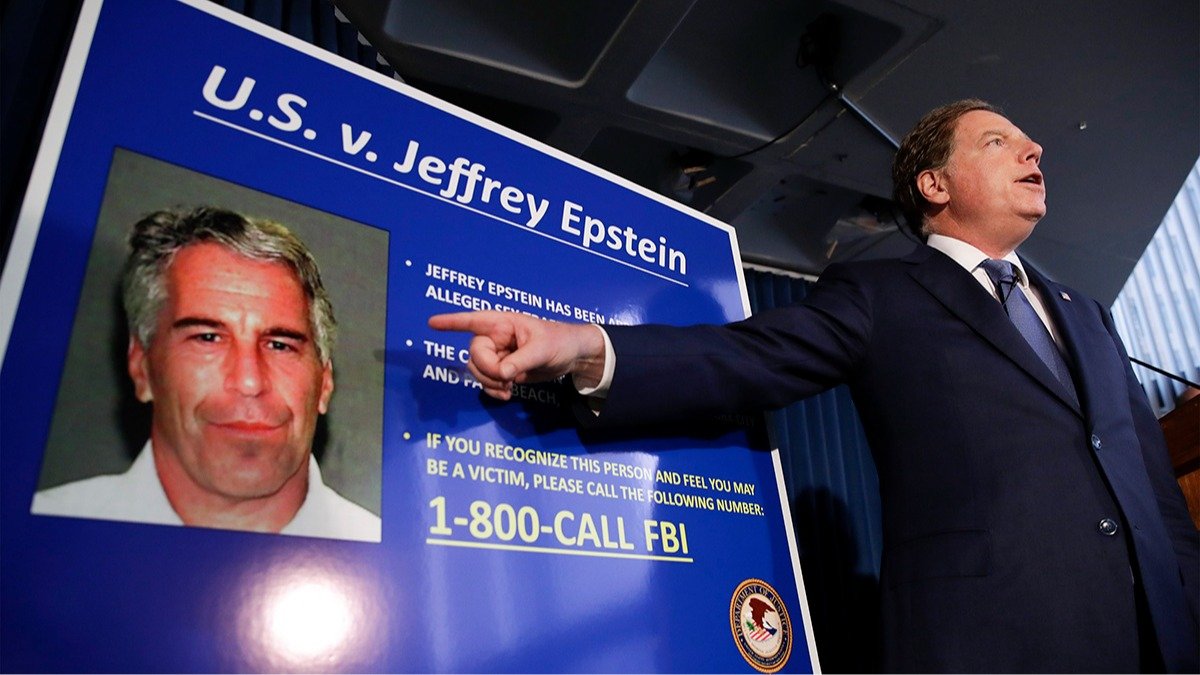
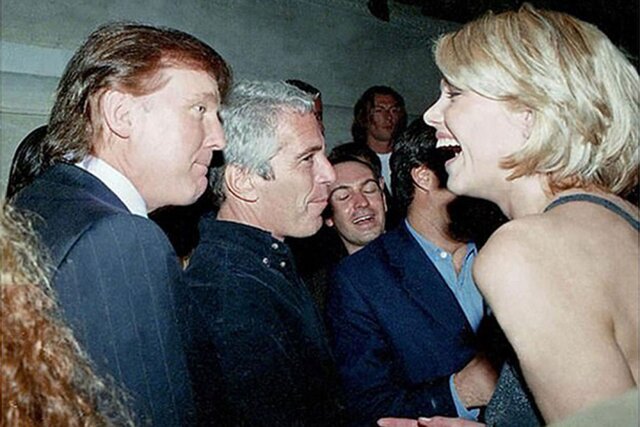
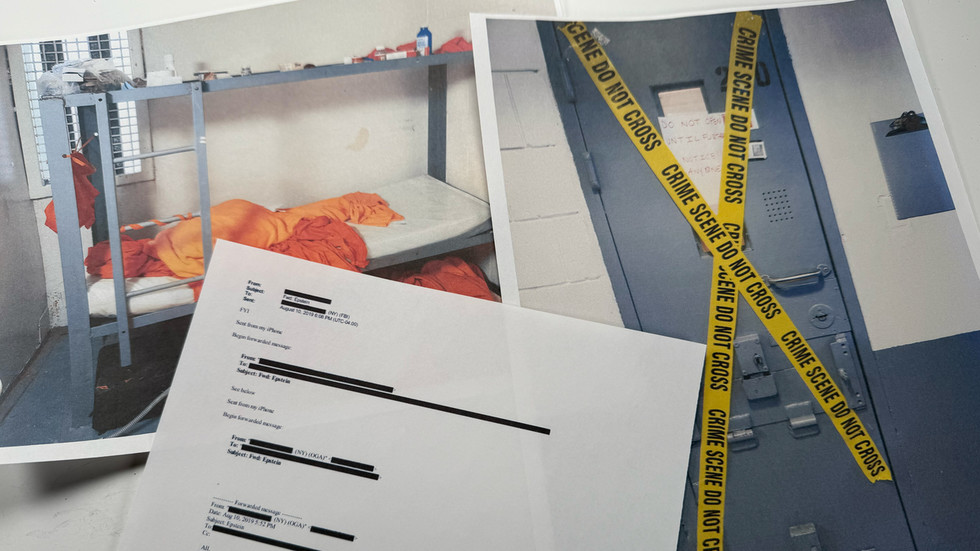
30 января Министерство юстиции США опубликовало новый массив документов, связанных с расследованием дела финансиста Джеффри Эпштейна, обвиненного в растлении несовершеннолетних и умершего в тюрьме. Всего обнародовано более трех миллионов новых файлов. Документы раскрыли в соответствии с Законом о прозрачности дела Эпштейна, принятым после несколько месяцев общественного и политического давления. В прокуратуре дали понять, что это последний крупный релиз файлов по делу финансиста. Американские СМИ приступили к изучению всего массива материалов. «Новая газета Европа» рассказывает о самых интересных подробностях, которые стали известны уже сейчас. Прокурор Южного округа Нью-Йорка Джеффри Берман рассказывает об аресте американского финансиста Джеффри Эпштейна на пресс-конференции в Нью-Йорке, США, 8 июля 2019 года. Фото: Jason Szenes / EPA.В США обнародовали новый пакет документов по делу Джеффри Эпштейна, который был найден мертвым в камере тюрьмы Нью-Йорка в августе 2019 года — примерно через месяц после того, как ему были предъявлены федеральные обвинения в сексуальной эксплуатации и торговле людьми. В массив вошли более двух тысяч видео и 180 тысяч изображений. Минюст отметил, что для публичного доступа не предоставят информацию, позволяющую идентифицировать жертв преступлений. В заявлении ведомства подчеркивается, что в документы включено «все, что было отправлено в ФБР общественностью». Юристы пострадавших говорят, что в последнем массиве файлов оказались неотредактированные имена и идентифицирующие данные ряда жертв, включая женщин, чьи имена раньше публично с делом не связывали, сообщает ABC News. Упоминания Трампа В документах содержатся упоминания президента Дональда Трампа и других влиятельных лиц, включая миллиардера и его бывшего советника Илона Маска, а также бывшего президента-демократа Билла Клинтона. Всего имя президента США упоминается в файлах более трех тысяч раз, включая электронные письма, в которых Эпштейн и другие делились новостными статьями о нем, комментировали его политику или сплетничали о нем и его семье. В числе оказались записи интервью пострадавших, которые в разговорах с ФБР упоминают Трампа. Сам он давно отрицает какие-либо правонарушения в связи с делом. Так, среди новых документов — список обвинений, выдвинутых ФБР в отношении Трампа. Минюст утверждает, что некоторых из документов «содержат неправдивые и сенсационные утверждения против президента Трампа, которые были переданы в ФБР непосредственно перед выборами 2020 года». «Следует отметить, что эти утверждения необоснованные и ложные, и если бы в них была хоть капля правдоподобности, их бы уже давно использовали против президента Трампа», — говорится в релизе Минюста. Заместитель генерального прокурора Тодд Бланш уточнил, что ведомство завершило проверку документов по делу Эпштейна и что Белый дом не контролировал этот процесс. Бланш дал понять, что это был последний крупный релиз файлов Эпштейна, отметив, что даже публикация этих документов вряд ли утолит общественный запрос на информацию о деле. При этом ведомство скрыло часть информации: в частности, ту, которая содержит данные о жертвах или материалы, касающиеся сексуализированного насилия над детьми, или смерти. Близкие контакты Эпштейна Бывший принц Эндрю В пакет вошли новые документы, подтверждающие контакты Эпштейна с персонами из разных политических кругов. Так, снова фигурирует имя Эндрю Маунтбеттен-Виндзора (бывшего принца Эндрю), уже лишенного в Великобритании всех королевских титулов из-за связей с финансистом. Имя Маунтбаттен-Виндзор, как замечает Associated Press, упоминается в документах по меньшей мере несколько сотен раз: иногда в газетных вырезках, иногда в личной электронной переписке Эпштейна или в списках гостей на ужины, организованные финансистом. Некоторые записи свидетельствуют о попытке прокуроров в Нью-Йорке добиться от бывшего принца согласия на интервью в рамках расследования дела о торговле людьми, совершенной Эпштейном. „ «Би-би-си» обратили внимание на фотографии, на которых Эндрю Маунтбаттен-Виндзор стоит на четвереньках над лежащей на земле женщиной. Снимки никак не подписаны, а дата и время их появления неизвестны. Женщина на снимках одета. Плакат с надписью «Независимо от того, во сколько стран вы вторгнетесь, вы все равно останетесь никем», возле посольства США в Лондоне, Великобритания, 9 января 2026 года. Фото: Tolga Akmen / EPA.Сам Эндрю, который находится под пристальным вниманием из-за давней дружбы с Эпштейном, неоднократно отрицал какие-либо правонарушения в связи с делом о сексуальном насилии. Илон Маск Из документов следует, что Маск как минимум дважды обращался к Эпштейну с вопросами по планированию своих поездок на остров Литл-Сент-Джеймс у побережья Сент-Томаса на Виргинских островах США. Именно там, как утверждается, имели место многие из предполагаемых случаев сексуального насилия. Например, в 2012 году Маск сообщил, что прилетит на остров вместе с тогдашней партнершей, актрисой Талулой Райли. В 2013-м Эпштейн пригласил миллиардера посетить остров после новогодних праздников. Состоялись ли эти визиты, пока точно неясно. Маск еще в сентябре заявлял, что неоднократно отклонял приглашения. После публикации новой партии файлов 30 января бизнесмен написал: «Важно не обнародование какой-либо части документов по делу Эпштейна, а привлечение к ответственности тех, кто совершил чудовищные преступления вместе с Эпштейном. Когда будет хотя бы один арест, справедливость восторжествует. В противном случае, всё это лишь показуха. Ничего, кроме отвлечения внимания». Билл Гейтс Среди опубликованных файлов есть электронные письма, которые Эпштейн в июле 2013 года отправлял самому себе. В сообщениях бизнесмен намекал на внебрачные связи основателя Microsoft Билла Гейтса. В одном из писем Эпштейн утверждал, что помогал Гейтсу с лекарствами «для устранения последствий секса с русскими девушками», а также якобы содействовал его тайным встречам с замужними женщинами. В другом письме Эпштейн упрекал Гейтса за то, что тот «разорвал их дружбу», длившуюся около шести лет, ради сохранения репутации. После публикации нового массива файлов представитель Гейтса заявил: «Эти утверждения абсолютно абсурдны и совершенно ложны. Единственное, что демонстрируют эти документы, — это разочарование Эпштейна в отсутствии постоянных отношений с Гейтсом и то, на что он был готов пойти, чтобы подставить и опорочить его репутацию». Джеффри Эпштейн и Билл Гейтс во время встречи. Фотография опубликована Министерством юстиции. Фото: dailymail.co.uk.Говард Лютник Согласно документам, пишет The New York Times, Говард Лютник, миллиардер и бизнесмен, занимающий пост министра торговли в администрации Трампа, однажды планировал поездку на остров Эпштейна. В декабре 2012-го Лютник написал, что его семья и друзья оказались на Карибских островах, и поинтересовался, могут ли они приехать к финансисту на обед. Эпштейн через помощника передал локацию своего острова. В итоге они договорились о встрече за обедом. Документы свидетельствуют о том, что визит действительно состоялся: после встречи, назначенной на 23 декабря 2012 года, помощник Эпштейна прислал письмо от начальника: «Приятно было вас видеть». Лютник признавался, что посещал особняк Эпштейна, находящийся по соседству с его домом в Нью-Йорке. По его словам, он и его жена быстро ушли оттуда и решили «никогда больше не находиться в одной комнате с этим отвратительным человеком». „ «Я никогда не общался с ним ни в неформальной обстановке, ни по делам, ни даже в рамках благотворительности», — сказал Лютник. Однако документы указывают на то, что они еще сохраняли контакт как минимум в 2017-2018 годах. 30 января, после публикации нового массива файлов по делу Эпштейна, Лутник заявил, что не может комментировать информацию, поскольку еще не ознакомился с последними документами. Кэтрин Руммлер Associated Press отмечает, что среди материалов есть документы, где фигурирует бывшая чиновница администрации Барака Обамы — Кэтрин Руммлер. В одном из эпизодов переписки Эпштейн писал Руммлер, что демократам, по его мнению, следует прекратить демонизировать Трампа, представляя его как мафиози. Представитель Goldman Sachs, где Руммлер сейчас занимает должности главного юрисконсульта и директора по правовым вопросам, заявил, что она действительно общалась с Эпштейном по работе, в период частной юридической практики. Он также отметил, что Руммлер «сожалеет о том, что вообще была с ним знакома».