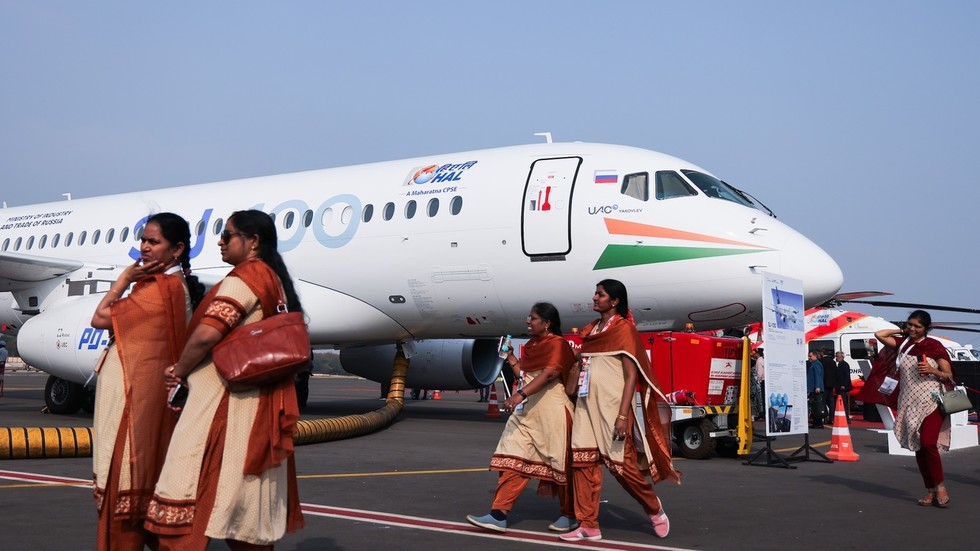
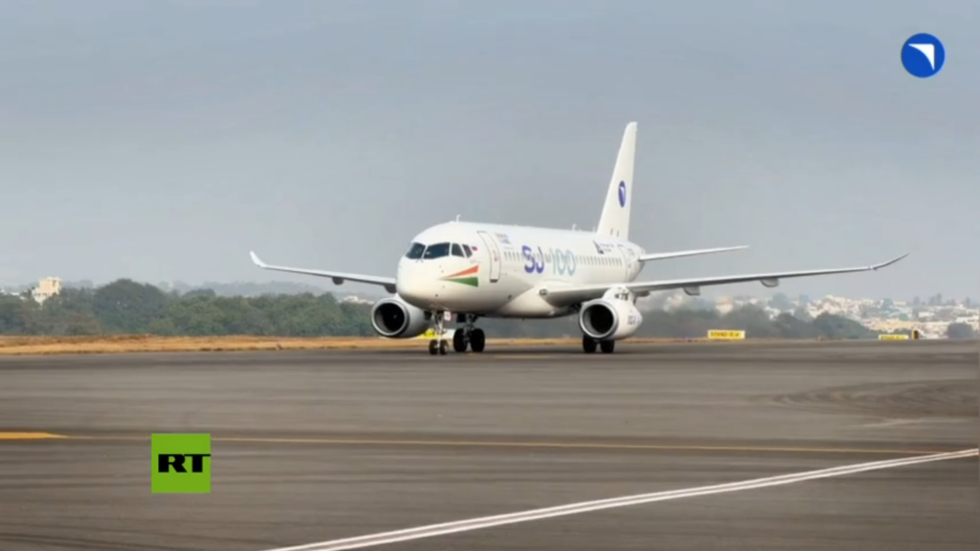
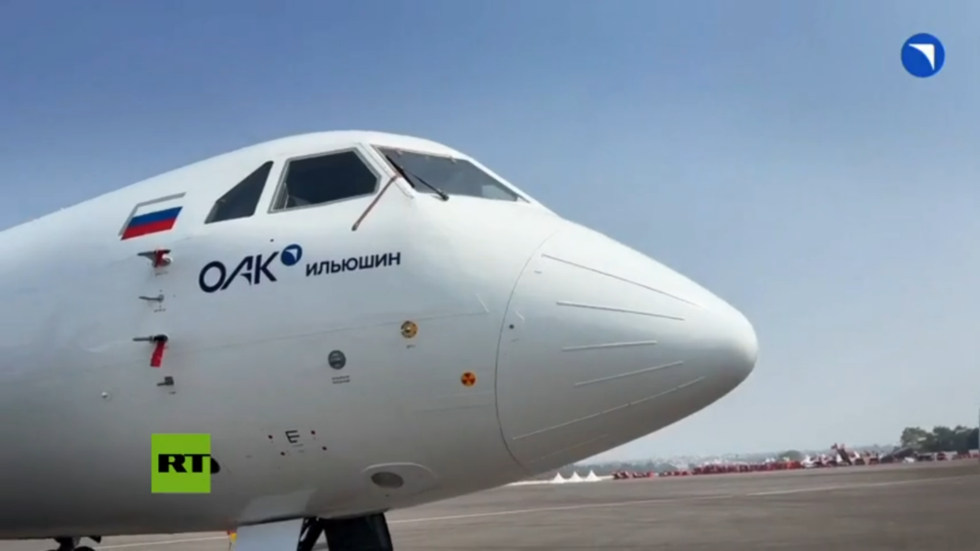
Russia’s United Aircraft Corporation and India’s Hindustan Aeronautics Limited have signed a licensed production agreement and created a joint venture to manufacture the Sukhoi SJ-100 regional passenger aircraft in India. The deal envisions HAL producing and selling SJ-100s and their parts domestically and potentially abroad, with Russian technical support for setting up production lines and aiding certification. Officials highlight anticipated Indian demand for more than 200 regional jets over the next decade, and the plan includes rolling out the first semi-knocked-down aircraft within about three years, as well as leasing around ten SJ-100s in the near term to meet immediate needs. The agreement was announced alongside other Russian aviation deals at the Wings India 2026 exhibition, including commitments to supply Il-114-300 aircraft and engines, situating the SJ-100 partnership within a broader package of Indo-Russian civil aviation cooperation.
Coverage commonly situates the joint venture within India’s regional connectivity push, emphasizing the need to serve underserved routes and smaller cities with modern regional aircraft. Both sides of reporting, where available, acknowledge the alignment with India’s ‘Make in India’ industrial policy and Russia’s drive to expand its civil aviation exports amid global realignments. The SJ-100 is presented as a regional jet intended to strengthen India’s domestic aviation ecosystem, backed by technology transfer, assembly, maintenance, and competency development support from Russian firms. There is also shared recognition that certification, localization of production, and integration into India’s regulatory and operational environment will be key medium-term steps for the project’s success.
Points of Contention
Strategic framing. Government-aligned sources say the joint venture is a strategic win-win, reinforcing a trusted partnership and enhancing India’s self-reliance in aviation, while opposition sources say it could deepen dependence on a sanctions-hit Russian aerospace sector and complicate India’s ties with Western suppliers. Government narratives emphasize the diversification of supply and the strengthening of domestic capability, whereas opposition narratives warn of potential technology lock-in and reputational costs. Where official coverage speaks of long-term industrial synergy, critical voices question whether the project aligns with India’s broader strategic balancing between major powers.
Economic benefits and risks. Government reporting stresses job creation, export potential, and the prospect of meeting demand for over 200 aircraft as clear economic gains, while opposition outlets focus on financial risks, possible cost overruns, and uncertainty about whether Indian airlines will commit to the SJ-100 at scale. Pro-government accounts frame the leasing of initial aircraft and semi-knocked-down production as prudent steps to ramp up capacity, whereas critics argue this may saddle HAL with a platform that has a mixed global track record and limited secondary market. Supportive coverage highlights technology transfer and ecosystem development, while skeptical coverage raises concerns about lifecycle costs, after-sales support, and competition from established Western regional jets.
Technical and certification issues. Government-leaning media describe certification as a manageable, procedural step to be supported by Russian expertise and Indian regulators, while opposition sources underscore the complexity of certifying a Russian-designed aircraft under Indian and possibly international standards. Official narratives portray the SJ-100 as a modern, reliable platform ready for localization, whereas critical commentators point to the aircraft’s previous operational and supply-chain challenges, especially under sanctions. Optimistic coverage focuses on Russia’s commitment to provide engines, parts, and training, while more skeptical reporting questions the long-term reliability of those supply chains and the ability to keep the fleet airworthy without disruption.
Geopolitical implications. Government coverage tends to present the venture as an example of strategic autonomy, showing India can collaborate with Russia in civil aviation despite Western pressure, while opposition voices warn it may be read internationally as India tilting toward Moscow at a sensitive time. Official accounts frame the deal as purely commercial and developmental, whereas critical pieces highlight how sanctions, export controls, and geopolitical scrutiny could affect financing, insurance, and global operations of India-built SJ-100s. Supportive reporting stresses continuity of the traditional Indo-Russian partnership, while more critical outlets suggest this path could limit India’s room to maneuver with Western partners in high-technology sectors.
In summary, government coverage tends to portray the SJ-100 joint venture as a flagship industrial, economic, and strategic success that aligns with Make in India and strengthens a trusted partnership, while opposition coverage tends to question the economic prudence, technical robustness, and geopolitical wisdom of deepening civil aviation ties with a heavily sanctioned Russian aerospace industry.
Story coverage