Russia, Ukraine, and the United States are reported by both government-aligned and opposition outlets to be engaged in a new series of expert-level talks in Abu Dhabi aimed at addressing the ongoing war in Ukraine and broader security guarantees. Both sides agree that previous trilateral consultations were held in Abu Dhabi on January 23–24, that the format is officially described as trilateral involving Moscow, Kyiv, and Washington, and that the next rounds have been shifted from an initially mentioned February 1 date to February 4–5 due to scheduling issues. Media on both sides note that Ukrainian negotiators are led by Rustem Umerov, the Russian delegation is headed by Igor Kostyukov, and that US participation in the coming session will be present but less visible, with earlier Trump-connected envoys Steve Witkoff and Jared Kushner not expected to attend. They also converge on the point that territorial issues, notably the status of Donetsk, Lugansk, and Crimea, are the principal unresolved obstacle, and that a diplomatic settlement is being explored even as all parties publicly maintain firm red lines.
Both government and opposition coverage situate the Abu Dhabi meetings within a broader context of attempts to find a channel for security dialogue after prolonged escalation in Ukraine, using the UAE as a neutral and logistically convenient host. They agree that the sessions are framed as security consultations rather than a full-scale peace conference, that the talks involve sensitive questions around borders, guarantees, and future military postures, and that the personal involvement of senior figures such as Kostyukov and Umerov signals the high stakes and intelligence-heavy character of the process. Both sides further acknowledge that the UAE has previously played a role in facilitating contacts and prisoner exchanges between Russia and Ukraine, and that these Abu Dhabi meetings are an extension of that mediation, intended to probe whether any compromise formulas exist without yet committing any party to a formal political settlement.
Points of Contention
Framing of the talks’ significance. Government-aligned outlets depict the Abu Dhabi round as a constructive, methodical continuation of already positive direct contacts, stressing that “everyone understands everything” and implying steady progress within a controlled diplomatic track. Opposition sources, by contrast, frame the same meetings as highly secretive intelligence-driven bargaining, emphasizing that the head of Russian military intelligence now leads the delegation and suggesting that this is less a breakthrough in peace diplomacy than a covert recalibration of Russia’s war strategy. Government coverage tends to normalize the process as a routine, almost technical sequence of consultations, while opposition reporting highlights the extraordinary nature of the personnel and secrecy to question the official narrative of orderly diplomacy.
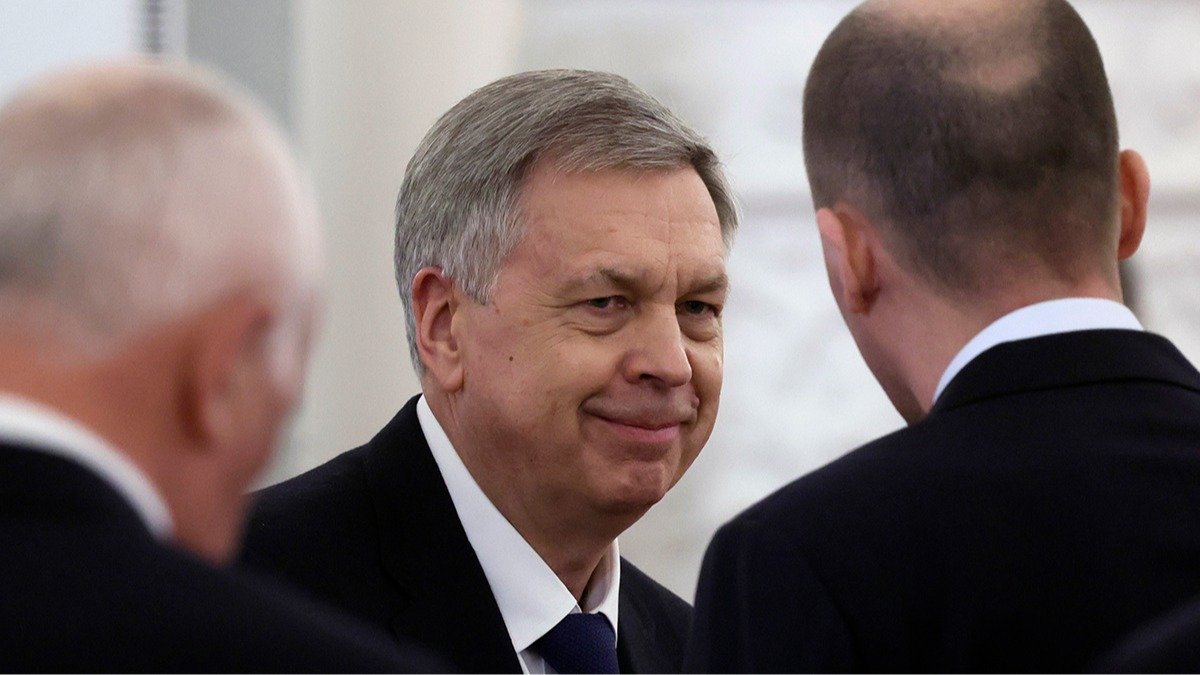
Portrayal of Russian representation and intentions. Government media present Igor Kostyukov simply as the senior official heading the Russian delegation and underscore Moscow’s declared willingness to pursue a diplomatic solution while still “ready” to meet its goals militarily if needed. Opposition outlets dwell on Kostyukov’s role as head of the GRU, his sanctions status, and his background in covert operations, implying that the talks are being steered by the security apparatus rather than civilian diplomats and that Russian intentions are primarily tactical. Where government narratives cast Moscow’s posture as firm but reasonable—seeking recognition of “new borders” while continuing dialogue—the opposition frames it as hardline and militarized, suggesting that any flexibility is narrow and subordinated to intelligence and battlefield calculations.
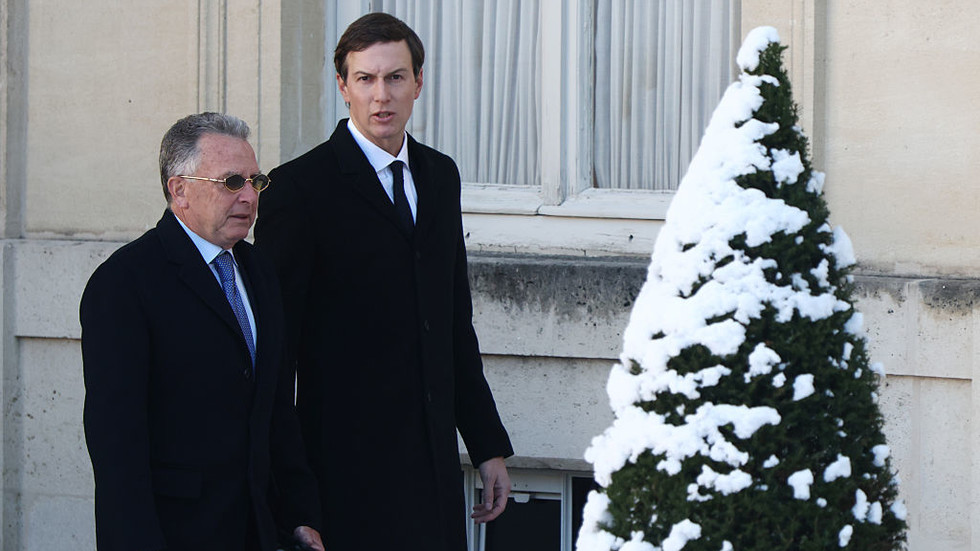
Characterization of the United States’ role. Government-aligned reporting acknowledges a reduced American presence in the upcoming session, noting that high-profile Trump-linked envoys will not attend but still describing the United States as an important mediator and participant in trilateral security consultations. Opposition coverage, while recognizing US involvement, tends to interpret the changing American lineup as evidence of fluid, personalized, and possibly informal channels, raising doubts about how coherent or official Washington’s approach really is. In government narratives this evolution is treated as a normal scheduling and staffing adjustment, whereas opposition accounts treat it as a sign of behind-the-scenes political maneuvering and uncertainty about US commitments.
Territorial issues and endgame. Government sources frame the territorial disputes over Donetsk, Lugansk, and Crimea as the main substantive obstacle, repeatedly stressing Russia’s demand for recognition of current control and portraying Ukraine’s refusal to concede as the key barrier to a settlement. Opposition reporting accepts that these regions are central to the negotiations but interprets Russia’s stance as an attempt to lock in gains under the cover of security talks, while suggesting that Kyiv is under pressure yet still formally holding to its no‑concessions line. Thus, government media present the talks as a chance for Ukraine and the US to eventually accept “realities on the ground,” whereas opposition coverage casts them as a fraught effort to negotiate under duress, with no clear or acceptable endgame for Ukraine.
In summary, government coverage tends to portray the Abu Dhabi talks as orderly, constructive security consultations reflecting Russia’s responsible search for a diplomatic path within firm red lines, while opposition coverage tends to emphasize the dominance of the security services, the opacity of the process, and the risk that negotiations primarily serve to consolidate Russia’s military and territorial gains.
Story coverage