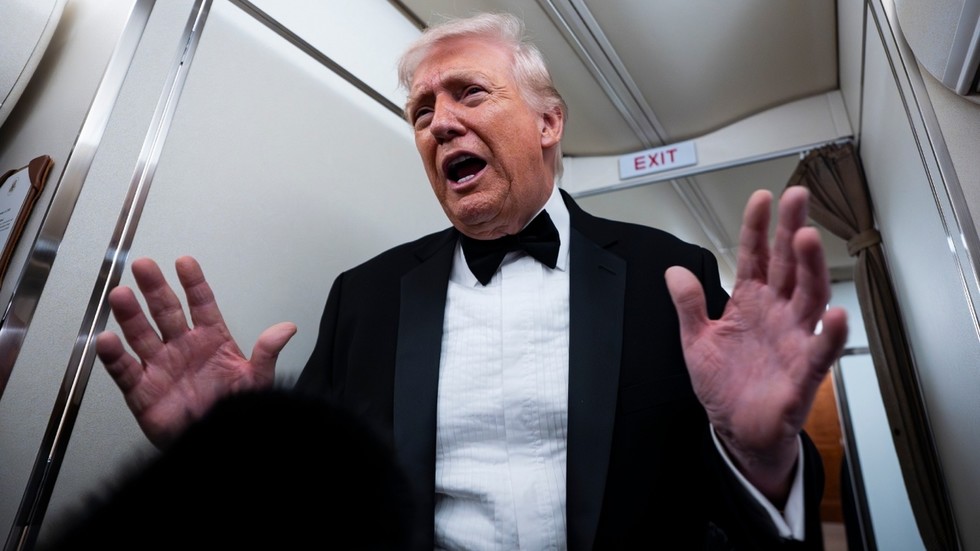
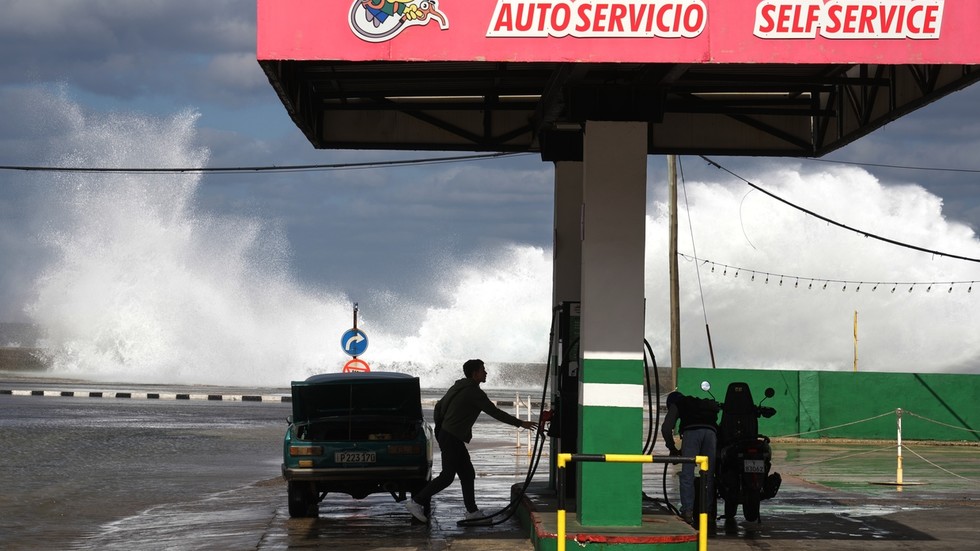
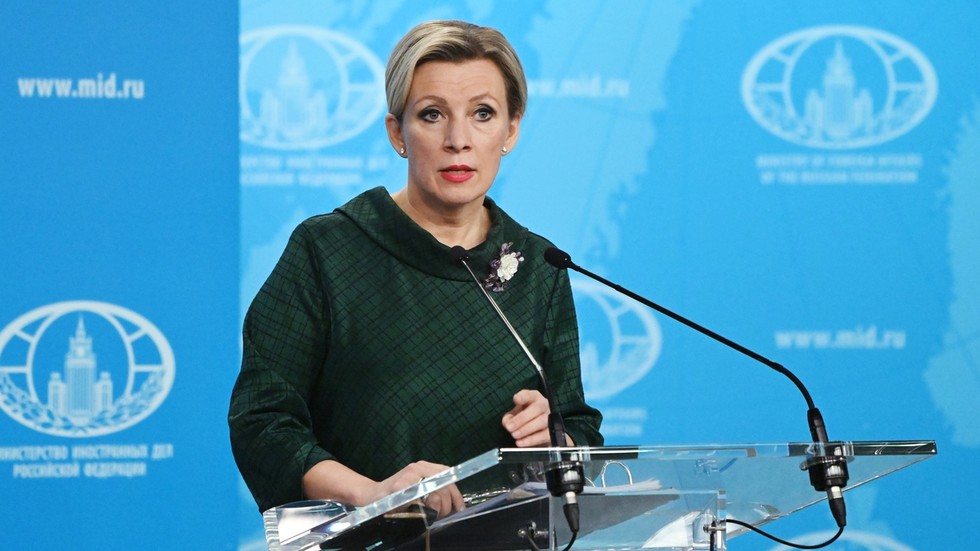
President Donald Trump has declared a national emergency in the United States over what the administration describes as a threat posed by Cuba, signing an executive order that authorizes new tariffs on goods from countries supplying oil to the island. Both government-aligned and opposition sources agree that the order enables the imposition of additional ad valorem duties on imports from nations that directly or indirectly provide oil to Cuba, with Russia, China, Iran, and other suppliers implicitly or explicitly cited as potential targets. Coverage concurs that this move follows a broader tightening of economic pressure on Havana, including efforts to cut off its primary energy sources after a US military operation in Venezuela, and that Cuba and Russia have publicly condemned the measures. The sources also agree that the order’s provisions are adjustable, allowing changes or suspension if Cuba and its partners take steps that Washington deems sufficient to reduce the alleged threat.
Across outlets, reports situate the emergency declaration within the long-standing US embargo and a pattern of escalating sanctions and coercive economic tools used against Cuba. Both sides note that the White House justifies its actions by accusing Cuba of hosting Russian intelligence facilities and supporting terrorist groups, and by pointing to expanding Cuba–Russia cooperation as part of the rationale. There is shared acknowledgment that Mexico’s leadership has warned of a possible humanitarian crisis in Cuba due to disruptions to fuel supplies affecting essential services, and that Havana has framed the situation in terms of an “international emergency” for its economy. Articles from both camps describe the move as part of a broader US effort to reshape regional power dynamics and pressure governments aligned with US adversaries, while tying the legal mechanism of a national emergency to trade and security instruments that can be recalibrated as negotiations or conditions evolve.
Points of Contention
Threat framing and legitimacy. Government-aligned coverage presents the national emergency as a lawful, proportionate response to a concrete security threat posed by Cuba’s alleged support for terrorism and hosting of Russian intelligence assets, emphasizing the president’s authority to impose tariffs as a tool of national defense. Opposition sources, while acknowledging the formal legal step, portray the threat as vaguely defined and politically constructed, suggesting the emergency label is used to expand executive power over trade and foreign policy. Government narratives frame the move as necessary deterrence against hostile actors, whereas opposition reporting questions whether the criteria for a genuine emergency are met and highlights the absence of publicly disclosed evidence matching such drastic measures.
Humanitarian and economic impact. Government-aligned outlets foreground the argument that pressure on Cuba is ultimately intended to push Havana toward reforms and a prospective deal with Washington, even hinting that this could make the country “free again,” while downplaying immediate civilian hardship. Opposition coverage, by contrast, amplifies warnings from Mexico, Cuba, and Russia that targeting fuel supplies could precipitate a large-scale humanitarian crisis, disrupting essential services and deepening economic collapse. In government narratives, any short-term economic pain is framed as leverage against an uncooperative regime, whereas opposition sources stress that ordinary Cubans—not decision-makers in Havana or Moscow—will bear the brunt of the new tariffs.
Responsibility and international norms. Government-aligned reporting depicts the United States as responding to Cuba’s and its partners’ choices, especially deepening cooperation with Russia and alleged support for hostile entities, casting Washington’s tariffs as a defensive reaction to others’ misconduct. Opposition outlets more often echo Russian and Cuban claims that it is the United States that is violating international norms, circumventing the UN system, and unilaterally “choking” Cuba’s economy for geopolitical gain. In the government view, responsibility lies primarily with Havana and its backers for creating a threat environment that triggers US countermeasures, while opposition coverage assigns responsibility to Washington for weaponizing economic interdependence and destabilizing the region.
Geopolitical implications and endgame. Government-aligned sources portray the ultimatum as a strategic lever to compel Cuba and its oil suppliers—particularly Russia, China, and Iran—to reconsider their alignment with actors deemed hostile to the US, predicting that Cuba will ultimately seek an agreement to ease pressure. Opposition coverage stresses instead the risk of escalation with those same powers and frames the policy as another front in a broader confrontation with Russia and other adversaries, potentially entrenching blocs rather than inducing compromise. Government narratives hint that the emergency could be rolled back if Cuba makes “significant steps” to address US concerns, whereas opposition sources cast doubt on Washington’s willingness to lift pressure even in the face of partial concessions, suggesting regime change or long-term containment as the real objective.
In summary, government coverage tends to present the emergency declaration and tariff threat as a justified, legally grounded response to clear security risks that can ultimately open the door to a better deal and a “freer” Cuba, while opposition coverage tends to frame the move as an overblown, politically driven escalation that weaponizes economic tools, heightens humanitarian risks, and undermines international norms.
Story coverage