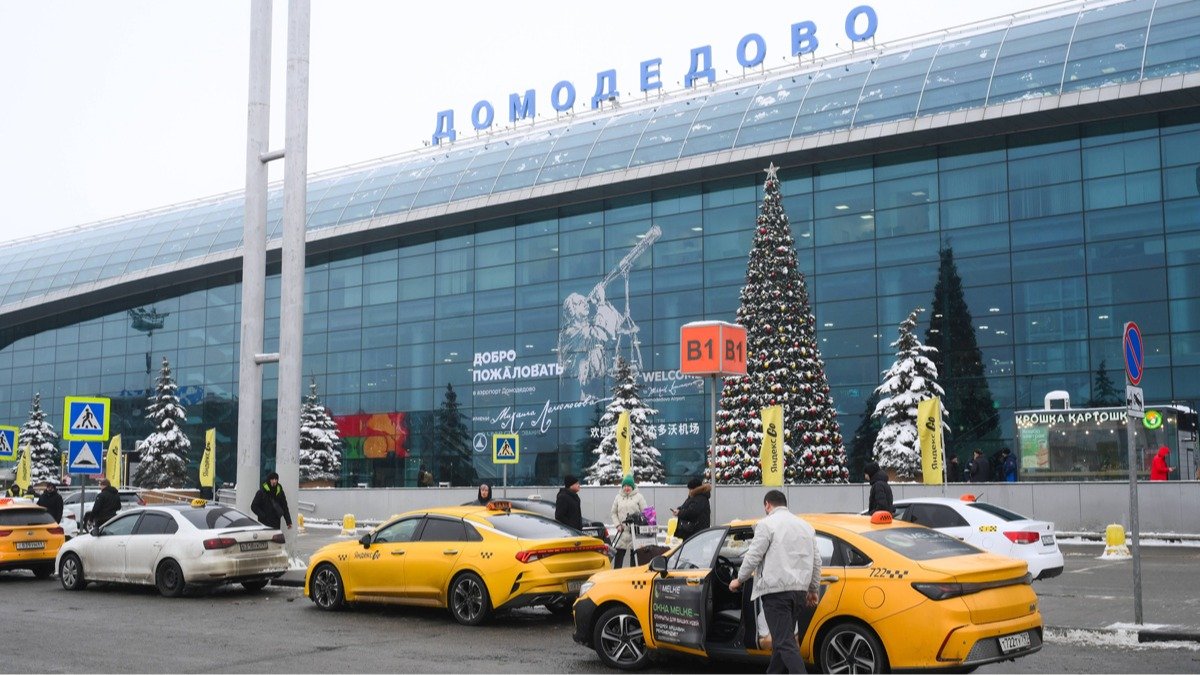
Такси припаркованы у терминала аэропорта Домодедово, 19 января 2026 года. Фото: Илья Питалев / Спутник / Imago Images / Scanpix / LETA .«Военную национализацию» в России проводят, чтобы обогатить друзей Путина, а не добавить доходов в бюджет, — еще одним доказательством тому стала продажа Домодедово. Последние «системные либералы» во власти обещали наполнить казну, но проиграли кооперативу «Озеро». За четыре года войны Генпрокуратура уже забрала или требует конфискации частных активов примерно на 4 трлн рублей. Четвертый по пассажиропотоку российский аэропорт стал одним из их лучших трофеев прокуроров — и одной из важнейших компаний, у которых поменялся собственник с 2022 года. Существует несколько объяснений того, зачем масштабная экспроприация нужна силовикам и в целом власти. Это и наказание за нелояльность тех, кто сохранил иностранные паспорта, не вышел из зарубежных юрисдикций или вовсе осмелился критиковать политику партии. Это и простое желание силовиков выслужиться и предъявить свои достижения Кремлю, за что он, может быть, позовет их поближе на новом витке обновления высшего чиновничества. Наконец, это аппетиты путинских друзей забрать всё, что увеличивает влиятельность и способно приносить деньги, приток которых тает на глазах из-за нового «железного занавеса» и рецессии. Им нужно всего побольше и подешевле. Здесь у кооператива «Озеро» есть естественный противник — Минфин, а у него противоположная задача — наполнять бюджет, потому что прямо сейчас надо искать деньги на войну любыми средствами. Домодедово попадает сразу во все эти категории. Генпрокуратура отыскала иностранное резидентство у совладельцев аэропорта Дмитрия Каменщика и Валерия Когана. Силовики атаковали их ни много ни мало четверть века, обвиняя Каменщика и его сотрудников то в халатности, то в контрабанде. Наконец, на аэропорт давно положил глаз спарринг-партнер Путина по дзюдо Аркадий Ротенберг. Со второй попытки Домодедово продан вдвое дешевле, чем был выставлен на торги, — за 66 млрд рублей. Итог аукциона показал: „ фискальные устремления министра финансов Антона Силуанова мало на что годятся перед экспроприационно-распределительным напором путинских друзей. Эту сделку делают примечательной три сюжета, каждый из которых много рассказывает про военный передел собственности. Во-первых, посмотрим, кто боролся за Домодедово. О том, что его хочет получить Ротенберг, бизнес-партнер последнего Александр Пономаренко сообщал еще десять лет назад. Хотя в начале 2025 года, как раз когда иск о национализации аэропорта ушел в суд, Ротенберг громко отрицал всякий интерес к Домодедово. Прошел год — и конкурс выиграл аэропорт Шереметьево, где Ротенберг — один из главных владельцев, и вообще крупнейший в стране аэропорт считается его вотчиной. Аркадий Ротенберг. Фото: Фото: Юрий Кочетков / EPA.Бизнесмены, которые боролись с Ротенбергом за Домодедово, — люди вполне уважаемые, чужих там не было. Прежде всего это Андрей Скоч — Forbes номер 24, один из тех миллиардеров, трудовой путь которых просится в сериал о построении капитализма в России. Он главный владелец Внуково, аутсайдера аукциона по Домодедово 29 января. Скоч, который торговал нефтью, металлами, акциями мирового сталелитейного гиганта Corus и соцсети Facebook, с начала 1990-х идет по жизни со своим старшим партнером — олигархом Алишером Усмановым. Недоброжелатели приписывают ему связи с «Cолнцевской ОПГ» в конце 1980-х, что сам Скоч отрицал. Другие люди из кооператива «Озеро», которые проявляли интерес к Домодедово, — Юрий Ковальчук и Юрий Шамалов, через управляющую компанию «Лидер». Кроме них среди возможных покупателей называли также миллиардеров Олега Дерипаску, Романа Троценко и Виктора Вексельберга — все они владеют региональными аэропортами. Но эти трое на аукцион не явились: вероятно, решили, что просят слишком много. И это второй сюжет: интересно проследить, как сбивали цену на актив. За тот год, что отнимали аэропорт, заявления российских элитных групп про его стоимость менялись несколько раз — в зависимости от целей этих групп. Давайте посчитаем, сколько друзей Путина обеспечивало операцию «Домодедово». Перед первым несостоявшимся аукционом в январе 2026 года госбанк ПСБ оценил аэропорт в 115 млрд рублей. Банк — вотчина семьи разведчика Михаила Фрадкова, близкой к Путину с середины 1990-х годов, — тогда будущий президент даже ночевал во фрадковской квартире в Москве. Олег Дерипаска объявил, что не дал бы за него больше 40 млрд рублей (он в итоге и не дал). Сбер (его возглавляет еще один старый друг Путина — Герман Греф) со ссылкой на заключение аудиторов В1 (бывший Ernst Young) вообще объявил, что государство должно еще приплатить новому владельцу 10 млрд рублей из-за большого долга (70 млрд рублей) на фоне убытков. Здесь интересно вспомнить, что в 2010-е годы тот же Ротенберг с партнерами были готовы заплатить Каменщику и Когану за аэропорт 3,8 млрд долларов. А когда в прошлом году Генпрокуратуре нужно было впечатлить Путина тем, какой драгоценный актив она забрала, прокуроры объявили, что аэропорт стоит «более 1 трлн рублей». Тут мы плавно переходим к третьему сюжету. Дело не в том, что в прокурорском заявлении о стоимости в 1 трлн рублей смысла столько же, сколько в оценке «минус 10 млрд». И не в том, что в итоге авиакомплекс продали примерно впятеро дешевле, чем его оценивал независимый эксперт Михаил Бурмистров, глава «INFOLine-Аналитика». Консалтер посчитал, что четвертый по пассажиропотоку российский аэропорт стоит 300–350 млрд рублей. Очень даже неплохо для бюджета — это примерно седьмая часть того, сколько, по минимальной оценке, казна недополучит в этом году из-за рухнувшей цены на российскую нефть. „ Дело в том, что сейчас спор о том, сколько стоит Домодедово, вообще не имеет смысла среди разрушенного войной рынка с падающими перевозками, когда аэропорты всё время закрываются из-за атак дронов. Когда пятый год нет высокомаржинальных рейсов в Европу и США. Когда Домодедово покинули не только иностранные перевозчики, но и базировавшаяся в нем российская S7. Компания ушла, сокращая маршрутную сеть, потому что была вынуждена запарковать флот Airbus Neo: нет запчастей. Самолёт авиакомпании S7 Airlines взлетает в аэропорту Домодедово, 2 ноября 2017 года. Фото: Максим Шеметов / Reuters / Scanpix / LETA.Когда новых российских самолетов нет, потому что в изоляции страна не может их построить в нужном количестве. Наконец, когда Домодедово сильно пострадал из-за военного закрытия 11 южных аэропортов (два потом открыли): на них приходилась значительная доля его вылетов. Итоги всего этого — пассажиропоток авиакомплекса за два года рухнул на треть. При этом чиновники могут принимать протекционистские меры, при которых прибыльный актив станет убыточным, и наоборот. Один только пример. Домодедово потерял часть трафика, когда власти обнулили НДС на перевозки в обход Москвы с пересадкой в региональных хабах. Шереметьево, конечно, от этого тоже страдает — что ж, почему бы Ротенбергу не пролоббировать теперь «меры господдержки» для обоих своих авиакомплексов. А также реструктуризацию долга через госбанки, чтобы сегодняшние убытки когда-нибудь превратились в прибыли. Здесь возникает резонный вопрос: а зачем тогда вообще Ротенбергу такой плохой и убыточный актив? Ну, прежде всего, объединение аэропортов московского авиаузла — его очень давняя idée fixe. Слияния с Внуково не получилось из-за ресурса Андрея Скоча, но к консолидации двух других терминалов дело идет очень давно. Контроль над московским небом и транзитными потоками — это не только деньги, но и мощный политический ресурс, потому что сильно увеличивает способность Ротенберга диктовать условия авиакомпаниям. Наконец, это многомиллиардные подряды, которые с 2000-х годов в разных отраслях приносят большие прибыли старому другу Путина. Сейчас, вероятно, он что-то знает о том, что война уже слишком затянулась, а значит, рано или поздно атаки дронов и кризис в авиации закончатся. Новые самолеты помогут построить китайцы, которые согласятся продать России камень преткновения авиастроения — двигатели. Если закончится война, то могут вернуться какие-то международные перевозчики, да и Boeing, возможно, не прочь снова начать поставлять и обслуживать лайнеры. По крайней мере так считают в авиаотрасли, потому что у России большой рынок и выгодно летать через ее территорию и строить стыковки. „ В итоге Ротенберг сможет неплохо зарабатывать на купленном дешево аэропорте, через который когда-то улетали и прилетали 20 млн пассажиров в год. А по нынешним временам обесценившийся, но с неплохими перспективами аэропорт лучше было бы вообще не продавать. Вместо подарка старому другу Путина можно было бы выбрать один из трех путей. Первый — раз нужны деньги на войну, то у властей есть большой опыт командного выколачивания денег из госкомпаний и из крупного бизнеса — например, на Олимпиаду в Сочи, на инфраструктуру и нацпроекты. Проблема тут в том, что на пятый год войны деньги кончаются у всех, поэтому в приказном порядке выколачивать не получится. А подкармливать друзей нужно. Второй путь — государство могло бы помочь аэропорту выйти из убытков через реструктуризацию долга, налоговые льготы или меры поддержки для повышения трафика, что увеличило бы цену продажи на будущее. Третий и, возможно, наиболее логичный путь — привлечь концессионера, который в течение определенного срока будет платить фиксированный сбор в бюджет за пользование, как это делает управляющая компания питерского Пулково. Но такие меры поддержки и развития бессмысленно обсуждать, когда идет война: она обесценила активы, и самое время забирать их за бесценок, ссылаясь на отсутствие денег. Для Ротенбергов это уже второе достижение подобного рода: их группа «Росхим» купила «Метафракс Кемикалс» за 15 млрд рублей, а за год до продажи при изъятии ее оценивали в восемь раз дороже — в 116 млрд рублей. При этом чиновники финансово-экономического блока правительства — те самые немногие выжившие «системные либералы» — публично и непублично говорят: надо продавать честно, открыто, эффективным собственникам и как можно дороже. С Домодедово ничего не вышло, и конфискационно-распределительная логика победила фискальную. Вторым тестом для сислибов будет продажа конфискованного Генпрокуратурой «Южуралзолота», за который уже готовы побороться влиятельные олигархи: владельцы УГМК Искандар Махмудов и Андрей Бокарев, а также «Газпромбанк», близкий к тому же Ковальчуку. Не похоже, что Кремль требует от миллиардеров: платите по максимуму, очень нужны деньги на войну. А похоже, что кооператив «Озеро» хорошо экономит на новом переделе собственности, а как бюджет наполнить — пусть голова болит у Силуанова. Почему бы ему снова не поднять налоги для граждан и компаний?