government
India-EU trade deal: Why Brussels is rushing to make new friends in the East
The EU’s labelling of an economic pact with India as the “mother of all deals” seems to suggest camouflaged urgency
3 months ago
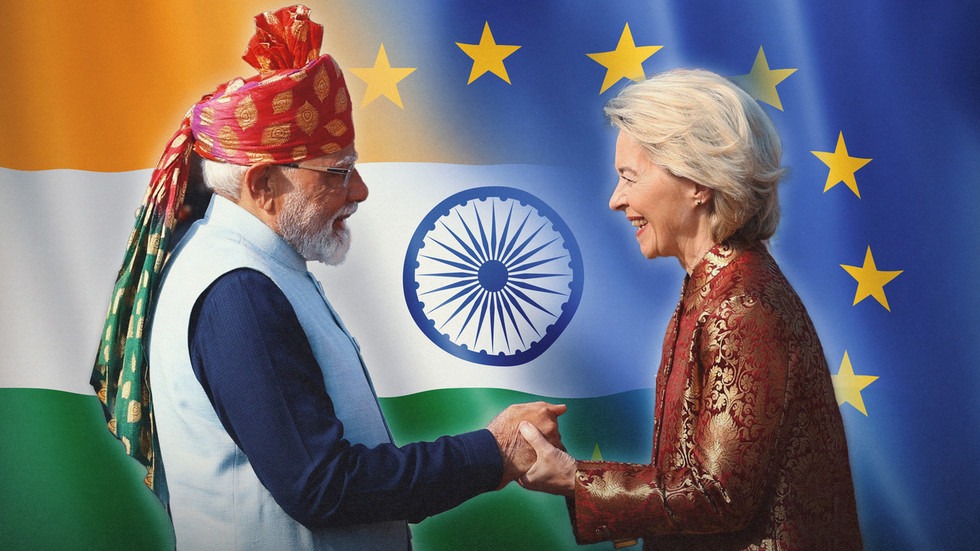
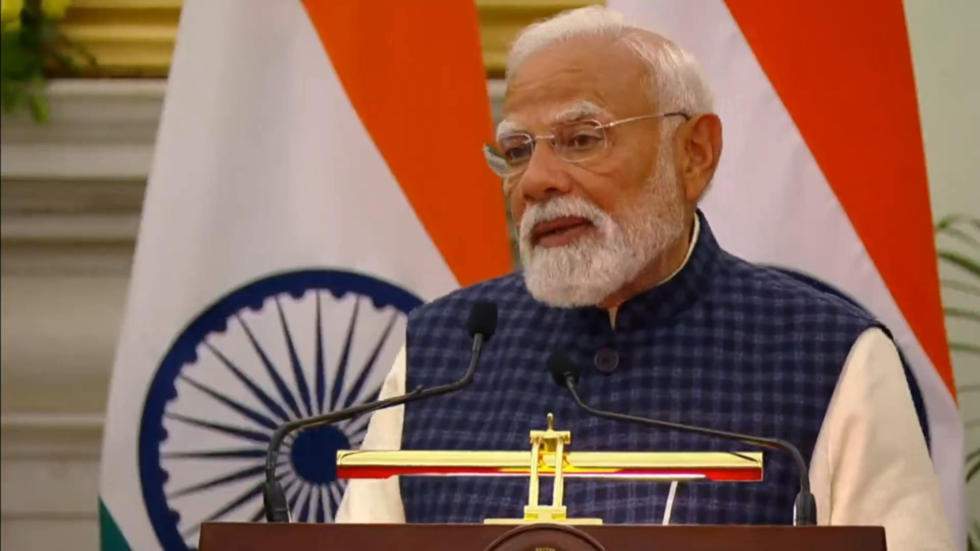
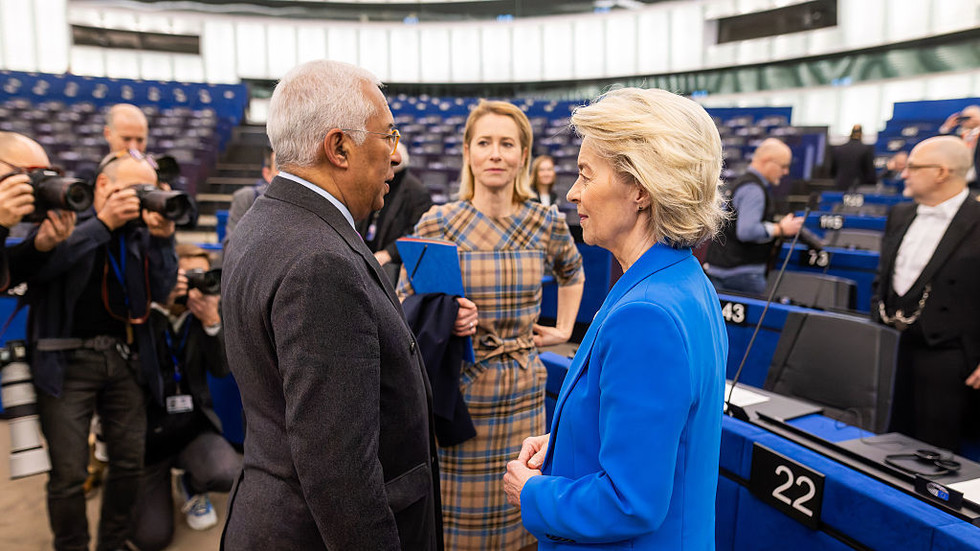
The latest EU-India summit in New Delhi is framed across government-aligned coverage as the culmination of nearly two decades of trade negotiations, with leaders either aiming to finalize or announcing the finalization of a wide-ranging trade agreement. These reports agree that the initiative seeks to create or move toward a vast free trade zone potentially covering up to 2 billion people, sharply reduce tariffs on most goods, and substantially increase bilateral trade, including a hoped-for doubling of EU exports to India and major savings for European economies. Shared accounts emphasize that India is viewed in Brussels as central to European economic resilience, with both sides highlighting the strengthening of supply chains in critical sectors such as technology and strategic goods, alongside parallel moves on a new security and defense partnership granting Indian firms access to certain European security programs. Coverage also converges on the notion that, despite headline progress, sensitive issues such as agriculture, dairy, and data flows remain significant agenda items or sticking points within the broader economic relationship.
Across reports, there is a common context that the EU-India trade push is part of a wider European strategy to diversify away from overdependence on other major powers and to "make new friends in the East" amid global geopolitical and supply-chain tensions. Government-aligned narratives situate the summit within long-running institutional dialogues between the European Commission, the Indian government, and EU member states, describing the deal as a cornerstone of a broader economic and security architecture that includes cooperation on carbon taxation, regulatory alignment, and technology and innovation ecosystems. There is also shared recognition that the agreement builds on earlier, stalled negotiations over the past 19 years and reflects renewed political will on both sides to integrate markets, remove long-standing barriers, and deepen ties beyond trade into defense and security collaboration. Across this reporting, the summit is portrayed as both a response to structural shifts in global trade patterns and a vehicle for reforming and modernizing the EU-India relationship through more resilient supply chains, market access reforms, and institutionalized strategic partnership mechanisms.
State of the deal. Government-aligned outlets variously present the summit as either successfully concluding a "mother of all deals" or as being on the verge of finalization, stressing breakthrough momentum and political resolve. Opposition-leaning or critical framing, where it appears indirectly or is inferred, tends to question whether the agreement is truly finalized, emphasizing lingering sensitivities in agriculture, dairy, and data flows and suggesting the fanfare may be premature. While official narratives highlight signed texts and formal announcements, more skeptical commentary focuses on implementation details and ratification hurdles that could delay or dilute the agreement.
Economic benefits and distribution. Government coverage foregrounds large, headline gains such as the creation of a massive free trade zone, the potential doubling of EU exports to India, and tariff cuts that could save European nations billions while boosting innovation and investment flows. Opposition perspectives are more likely to probe who actually benefits, raising concerns that European corporations and Indian big business might gain disproportionately, while small farmers, dairy producers, or smaller domestic firms could face intensified competition. Supportive reporting treats carbon tax flexibility and market access as balanced win-win compromises, whereas critics question whether concessions on climate or regulatory issues might lock India into disadvantageous terms over time.
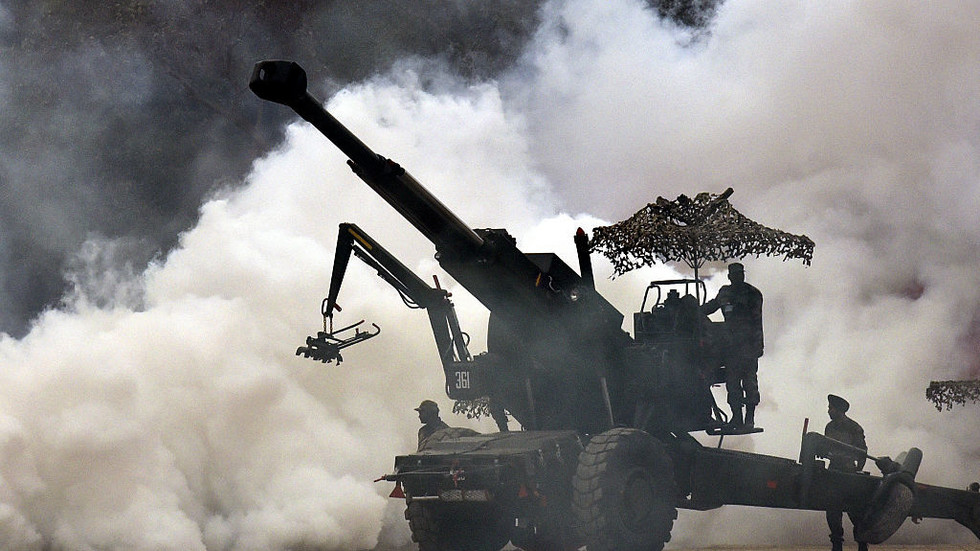
Strategic framing and security ties. Government-aligned sources emphasize India as "indispensable" to European economic resilience and cast the parallel security and defense pacts as evidence of a maturing, mutually beneficial strategic partnership. Opposition voices, when they surface in commentary, tend to interrogate the security dimension more skeptically, worrying about entanglement in European geopolitical agendas and the implications for India's traditional strategic autonomy. Pro-government narratives present Indian participation in European security initiatives as an overdue recognition of India's global role, while critics frame it as potentially subordinating domestic priorities to EU strategic calculations.
Transparency and domestic consultation. Officially sympathetic coverage highlights the long 19-year negotiation process and portrays the final outcome as the product of extensive expert work and institutional deliberation. Opposition-leaning analyses claim that the final stages have been rushed to meet geopolitical imperatives, with limited public debate on sensitive sectors and insufficient transparency about concessions made on tariffs, data, and regulatory standards. While government narratives stress technocratic competence and continuity, skeptical accounts warn that democratic oversight and stakeholder consultation—especially for vulnerable sectors—have been inadequate.
In summary, government coverage tends to depict the EU-India summit as a historic, largely finalized trade and security breakthrough delivering broad, balanced gains and elevating India as a central pillar of European resilience, while opposition coverage tends to question the completeness of the deal, the distribution of its benefits, the strategic and sovereignty implications, and the level of transparency and domestic buy-in surrounding the agreement.