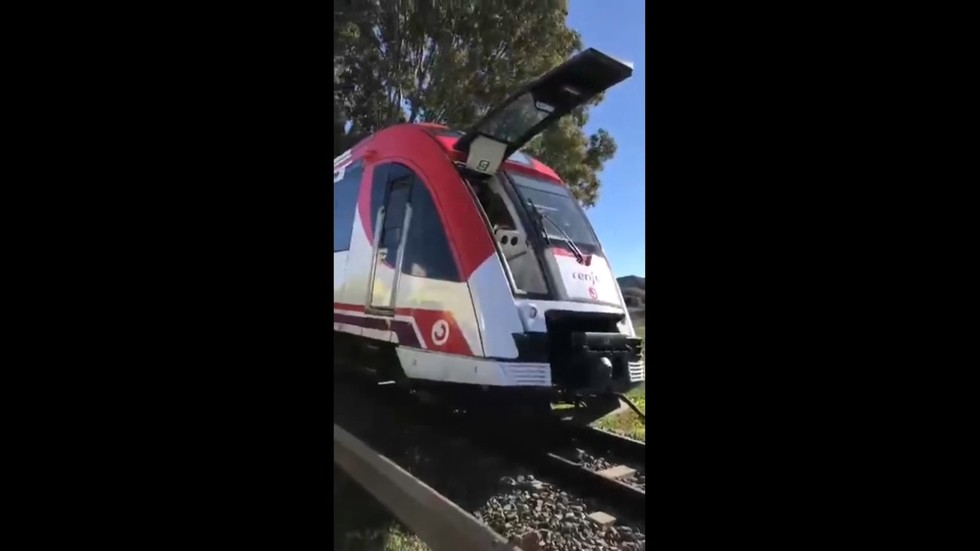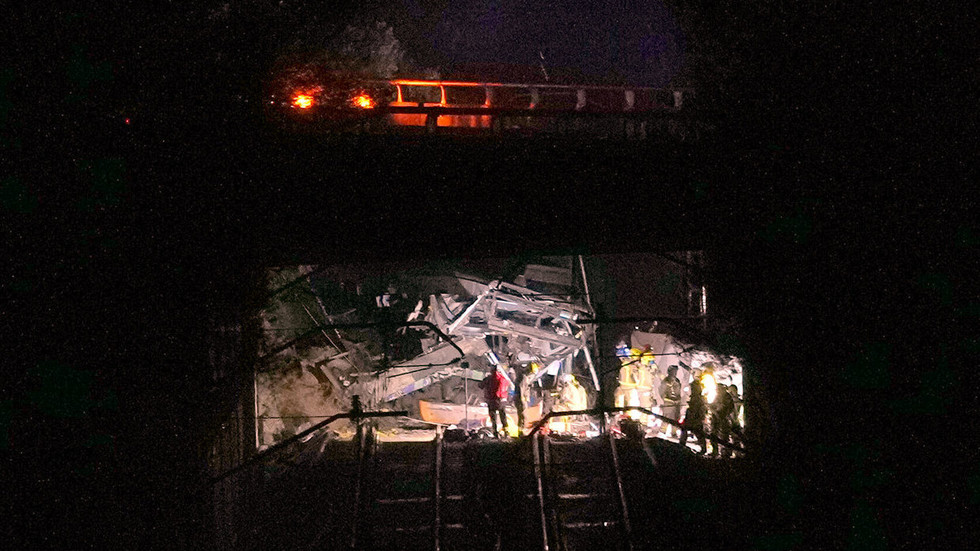
In the span of one week, Spain has experienced a series of train accidents that both government-aligned and opposition media agree are unprecedented in recent years, involving multiple regions and types of rail services. They broadly concur that at least four distinct incidents occurred, including two high-speed train collisions in Andalusia, a deadly commuter derailment between Sant Sadurni d’Anoia and Gelida near Barcelona that killed the driver and injured all 37 passengers, and a commuter train in Murcia colliding with a crane, injuring four. Both sides report that the Catalonia derailment followed the collapse of a retaining wall onto the tracks, that heavy rain is a prime suspect in weakening the infrastructure there, and that emergency services responded swiftly, with injured passengers transported to nearby hospitals and services temporarily suspended or rerouted while investigations began. Timelines, locations, casualty figures, and the identification of the affected lines as a mix of commuter and high-speed services are generally consistent across the political spectrum.
Coverage also converges on the broader institutional and technical context: Spain’s rail network is run by national operators and infrastructure managers, with long-standing debates over funding, maintenance, and modernization. Both sides acknowledge that preliminary inquiries are examining weather effects, possible infrastructure fatigue, and operational safety protocols, and that technical warnings about sections of the network had been raised by experts before the accidents. They agree that investigators are looking at drainage systems, retaining walls, signaling reliability, and adherence to safety procedures, and that prosecutors and transport authorities have opened formal probes. There is shared recognition that the concentration of accidents in one week has triggered renewed public discussion of rail safety standards, the distribution of investment between high-speed and commuter lines, and potential reforms aimed at preventive maintenance, better risk modeling for extreme weather, and improved oversight of contractors and equipment.
Points of Contention
Responsibility and blame. Government-aligned outlets tend to frame the accidents as the result of extraordinary circumstances, especially heavy rainfall and localized infrastructure failures, emphasizing that formal investigations must determine whether any human error or corporate negligence was involved. They stress continuity of state efforts to modernize the rail system and present the week’s events as a statistical cluster rather than proof of systemic collapse. Opposition-aligned sources, by contrast, treat the series of accidents as clear evidence of chronic mismanagement and underinvestment by the current administration, arguing that repeated technical warnings were ignored and that accountability lies primarily with sitting ministers and senior rail executives.
Systemic versus isolated problems. Government coverage often characterizes each crash as a largely isolated event tied to specific technical or weather-related factors, noting that Spain’s rail safety record has generally improved over the long term. It tends to reassure readers that existing safety frameworks are robust and that the investigations are a normal part of continuous improvement. Opposition coverage stresses the pattern across regions and services, contending that multiple incidents in one week reveal deeper structural weaknesses in maintenance regimes, oversight, and budget priorities, and that the accidents collectively point to a systemic safety deficit.
Policy and funding narrative. Government-aligned media typically highlight recent infrastructure budgets and planned upgrades, portraying them as evidence that the state has been responsive and that any funding gaps are the legacy of earlier administrations or broader economic constraints. They cite ongoing or scheduled works on signaling, rolling stock renewal, and weather resilience to argue that policy is on the right track, even if unforeseen failures occur. Opposition outlets counter that funds have been misallocated toward headline high-speed projects at the expense of everyday commuter lines, asserting that the accidents show the political choice to underfund maintenance and safety-critical works, and they frame calls for increased oversight and rebalanced investment as a direct indictment of current policy.
Political implications and rhetoric. Government coverage tends to downplay partisan angles, calling for calm and technical rigor while warning against “politicizing” the tragedies before investigations conclude. It often foregrounds official statements from transport authorities, engineers, and emergency services rather than opposition politicians. Opposition coverage, however, places the incidents squarely within a broader critique of the government’s competence, amplifying voices that demand resignations, parliamentary inquiries, and independent audits, and portraying official reassurances as evasive or insufficient.
In summary, government coverage tends to portray the series of Spanish train accidents as a tragic but explainable convergence of specific technical issues and extreme weather within an overall improving system, while opposition coverage tends to cast them as emblematic of deep-seated mismanagement, underinvestment, and political negligence that demand sweeping accountability and reform.