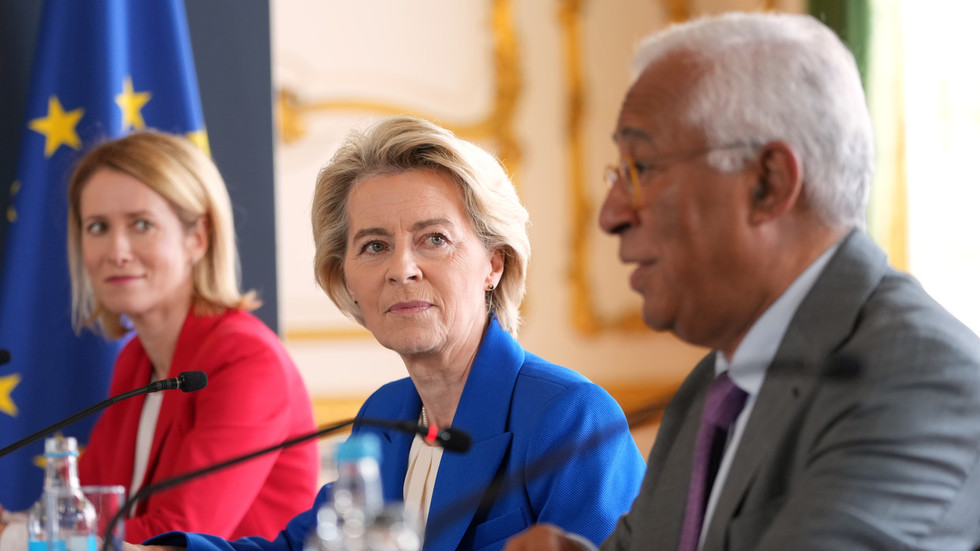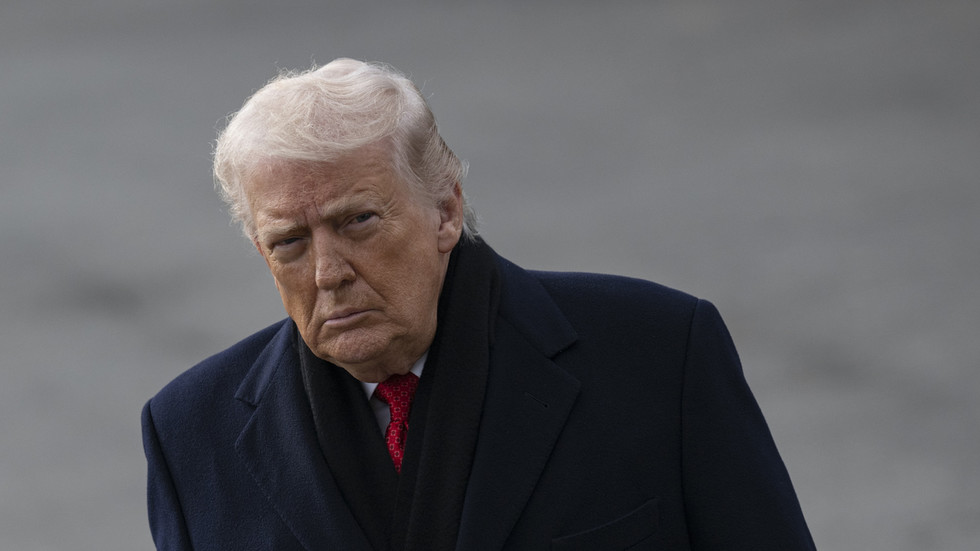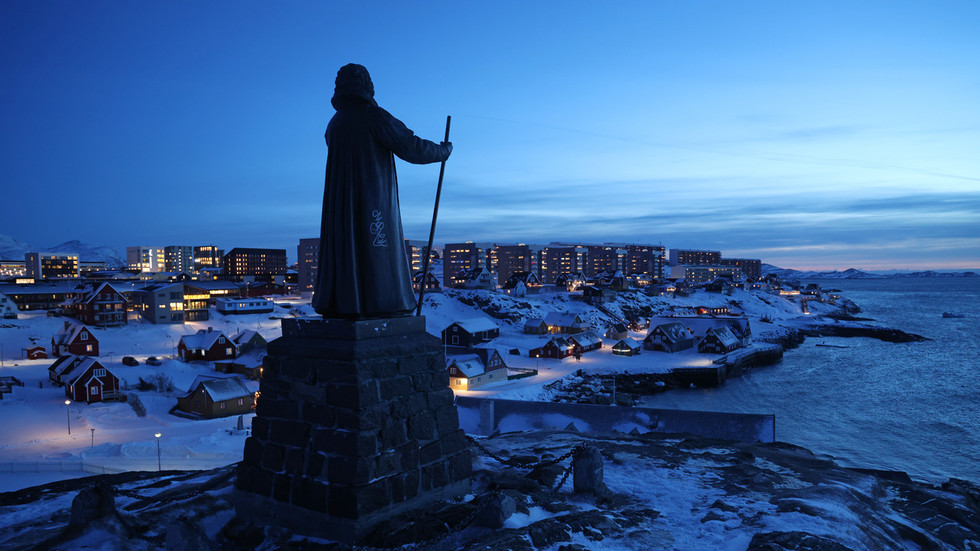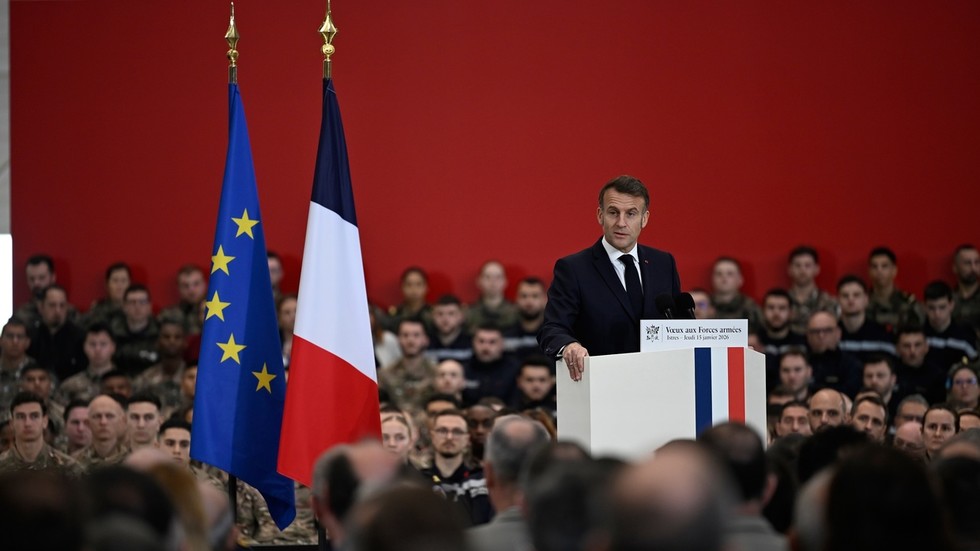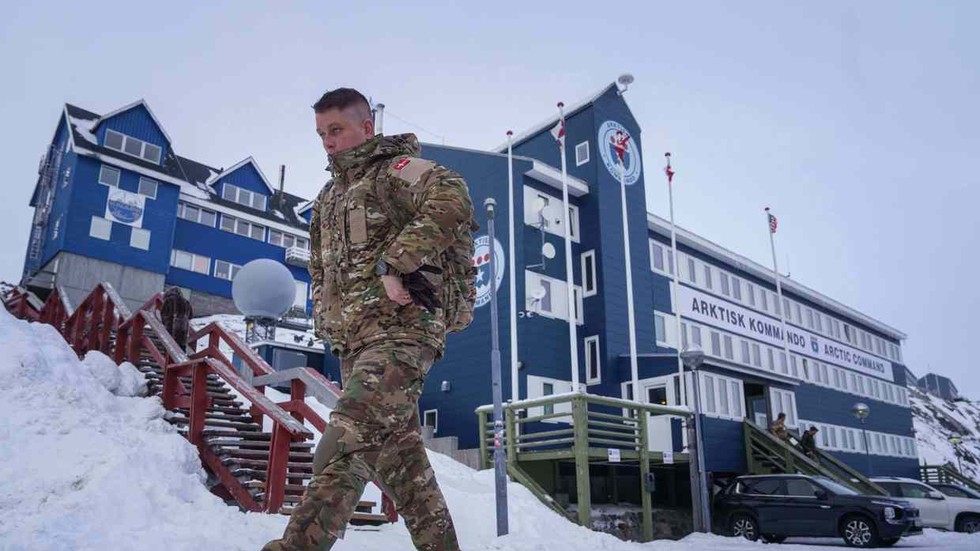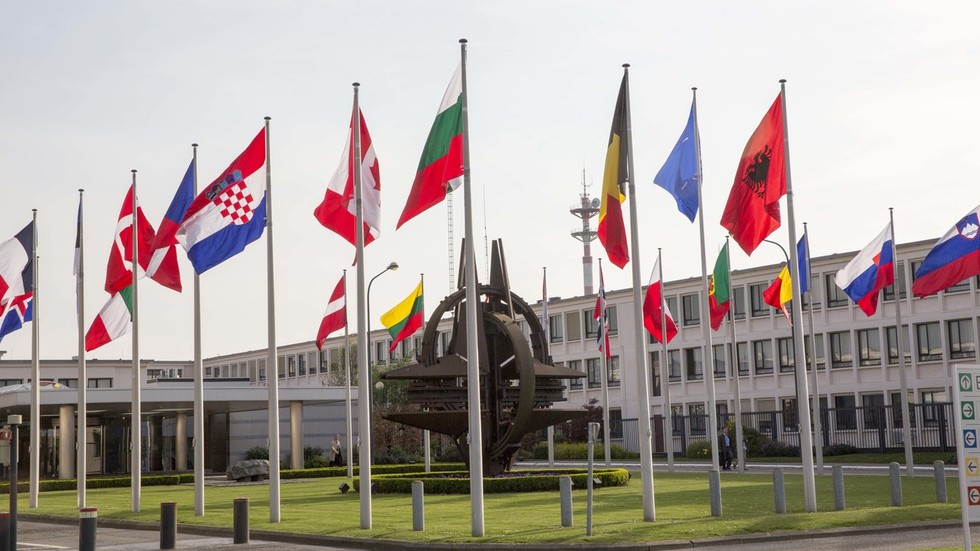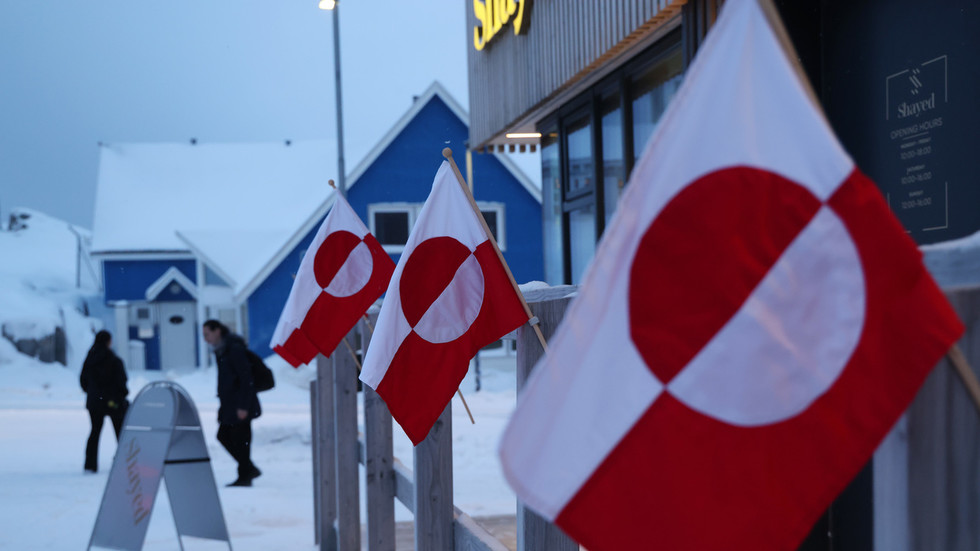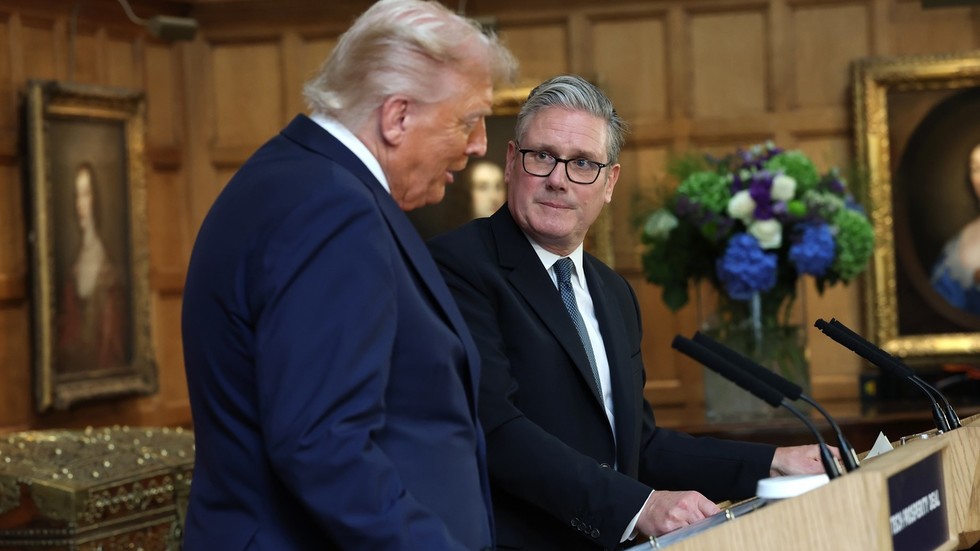
US President Donald Trump has threatened and in some cases imposed tariffs of around 10%, with the possibility of rising to 25%, on imports from eight European NATO allies including Denmark, France, Germany, the UK, Sweden and others, in response to their opposition to his plan to acquire Greenland, an autonomous Danish territory. These measures, framed by Washington as linked to national security and the need to counter alleged Russian and Chinese threats in the Arctic, have prompted unified condemnations from EU and NATO partners, who describe the move as blackmail and an assault on sovereignty. European countries have deployed small military contingents to Greenland, which they say are routine and pre‑coordinated, while Trump portrays them as part of a broader failure by Denmark to address a supposed Russian threat. Following meetings with NATO Secretary General Mark Rutte at the World Economic Forum in Davos and subsequent diplomatic contacts, Trump has at times rescinded or paused his tariff threats, and US and NATO officials have discussed a possible framework for a broader Arctic and Greenland arrangement.
Across the coverage, there is agreement that Greenland’s status is governed by long‑standing arrangements under which it is a self‑ruling territory within the Kingdom of Denmark, with its people having voted in 2008 to retain autonomy rather than pursue outright independence or transfer of sovereignty. All sides acknowledge that the EU is preparing or considering retaliatory tariffs and market‑access restrictions in response to US measures, that the IMF has warned a tit‑for‑tat trade war between the US and Europe over Greenland could harm global growth, and that leaders across Europe insist decisions about Greenland’s future rest with Denmark and Greenlanders. There is shared recognition that the dispute is straining transatlantic relations within NATO, that the Arctic’s strategic importance is rising due to missile defense and great‑power competition, and that both sides publicly state their openness to dialogue grounded in respect for sovereignty and territorial integrity even as they trade threats.
Points of Contention
Motives and security framing. Government‑aligned coverage emphasizes Trump’s references to Russian and Chinese ambitions in the Arctic, presenting the tariffs and Greenland bid as tough but necessary tools to secure NATO’s northern flank. Opposition coverage, by contrast, tends to frame the security rationale as a pretext for economic coercion and territorial ambition, highlighting European statements that their small contingents in Greenland are defensive and pre‑coordinated. While government narratives stress deterrence and burden‑sharing, opposition outlets stress respect for existing sovereignty arrangements and portray Trump’s moves as undermining collective security.
Sovereignty and legality. Government sources depict the proposed acquisition of Greenland as an extension of traditional statecraft, sometimes invoking US subsidies to Europe to justify a claim or annexation, and casting doubt on Denmark’s effective control and performance. Opposition coverage underscores that international law and Greenland’s 2008 autonomy vote place decisions firmly with Denmark and Greenlanders, describing tariffs tied to territorial concessions as blackmail that contravenes norms on non‑coercive settlement of disputes. Government narratives tend to leave legal questions implicit, whereas opposition outlets foreground them, warning that conditioning trade on ceding territory sets a dangerous precedent inside NATO.
Impact on alliances and NATO cohesion. Government‑aligned reporting often portrays Trump’s pressure on allies as leverage to make NATO stronger and more responsive to shared threats, sometimes hinting that questioning NATO membership is a bargaining tactic to spur reforms. Opposition coverage stresses the damage done to alliance solidarity, amplifying statements from EU and NATO leaders who warn of a dangerous downward spiral in transatlantic relations and distraction from priorities like Ukraine. Where government narratives frame tensions as manageable and potentially leading to a better Arctic framework, opposition outlets highlight internal Republican criticism and European unity as evidence that the policy is isolating Washington.
Economic consequences and escalation risks. Government sources acknowledge the tariff measures and the possibility of their escalation to 25% but emphasize that a negotiated Arctic deal could make them temporary and ultimately beneficial for all NATO members. Opposition coverage focuses on EU planning for retaliatory tariffs worth up to roughly $110 billion, IMF warnings that there are no winners in a trade war, and fears of recession in export‑dependent European economies and fallout for the global system. Government narratives tend to suggest that firm pressure will bring Europe to the table, while opposition narratives warn that reciprocal escalation will instead entrench positions and weaken both sides economically.
In summary, government coverage tends to portray Trump’s tariff threats and Greenland ambitions as hard‑nosed bargaining in the service of security and alliance reform, while opposition coverage tends to depict them as coercive, legally dubious moves that erode NATO cohesion, economic stability, and respect for European sovereignty.