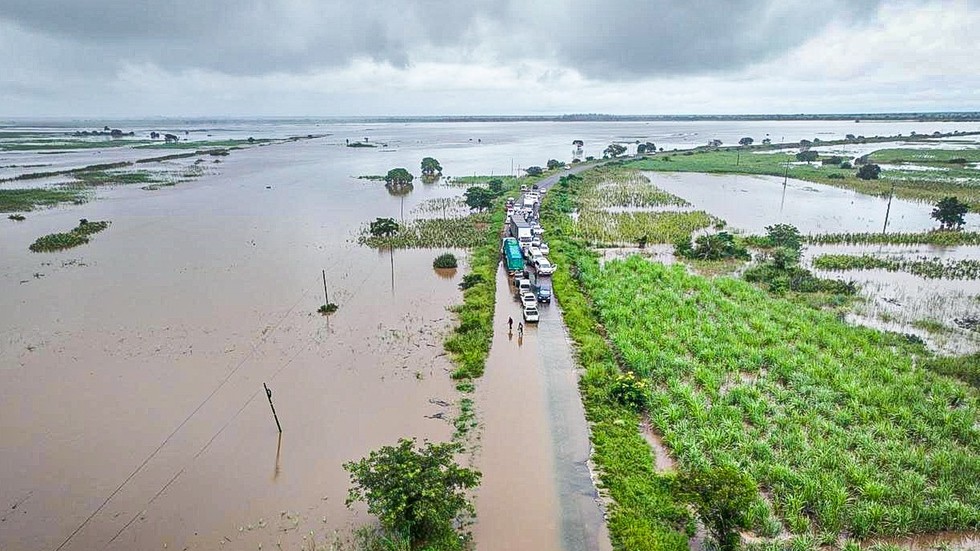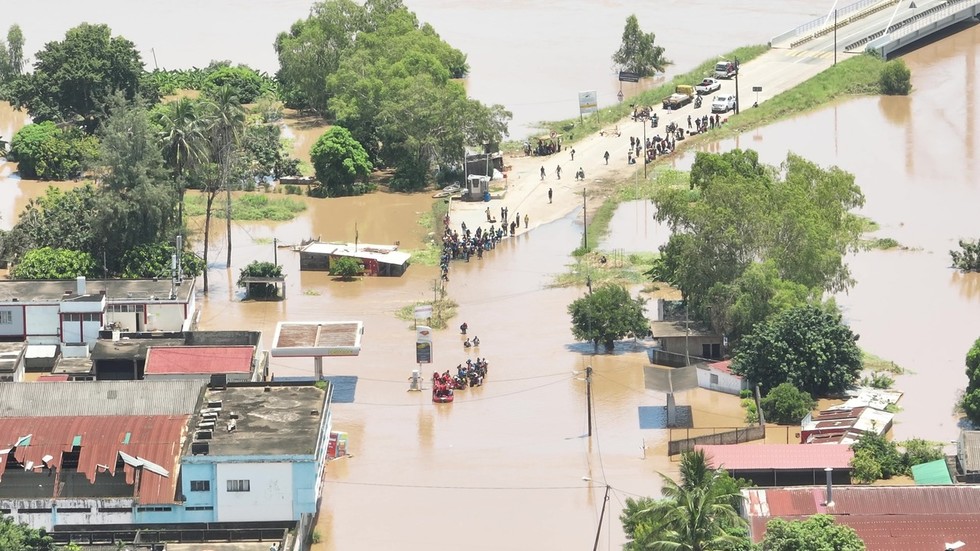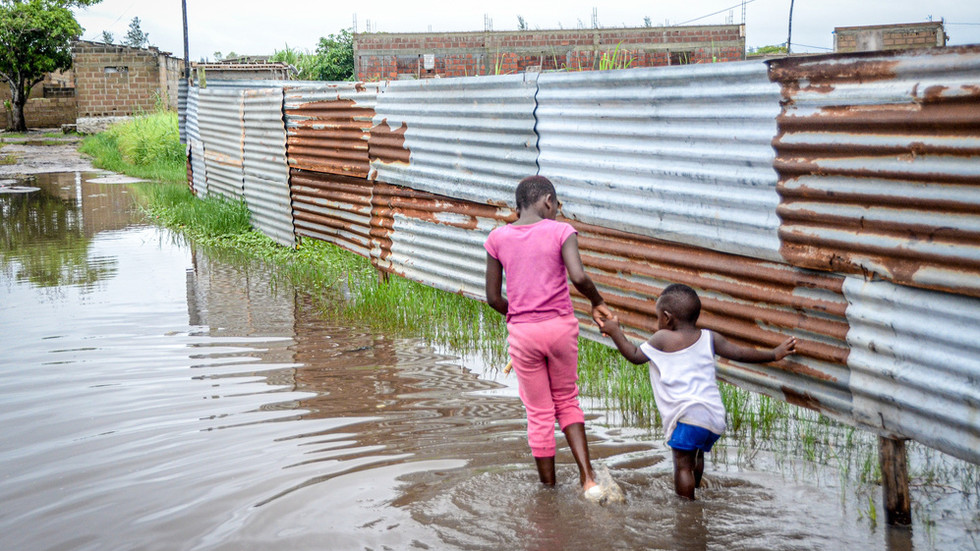
Torrential rains and flooding across parts of southern Africa have killed hundreds of people and displaced hundreds of thousands, with Mozambique, South Africa, and Zimbabwe among the hardest-hit countries. Government-aligned reports converge on key figures, noting that more than 200 people have died region-wide, including at least 106 in Mozambique alone, and that nearly 600,000 people there have been affected, with Gaza province cited as the epicenter. They describe entire communities inundated, extensive damage to homes, roads, and cropland, and ongoing risks as rainfall continues intermittently, prompting severe weather warnings from national meteorological services.
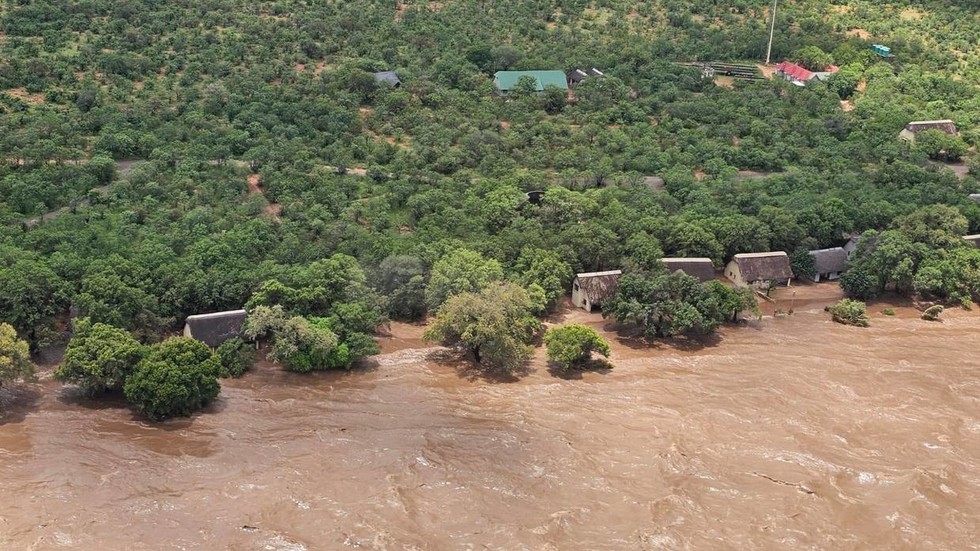
Shared coverage also highlights institutional and logistical responses that are framed as emergency measures rather than points of debate, such as the evacuation of over 600 guests and staff from flood-affected rest camps in South Africa’s Kruger National Park and the temporary closure of the park due to submerged roads and overflowing rivers. Reports agree that temporary reception centers have been set up in Mozambique’s hardest-hit areas, that transport infrastructure and agricultural land have suffered significant damage, and that civil protection agencies, park authorities, and local governments are coordinating rescue, evacuation, and relief efforts while warning that further localized flooding remains likely.
Points of Contention
Responsibility and blame. Government-aligned sources tend to emphasize the floods as a consequence of extreme weather and natural forces, highlighting scientific warnings and meteorological alerts while downplaying any suggestion of state culpability. Opposition sources, by contrast, are more likely to frame the disaster as exposing chronic governance failures, pointing to inadequate maintenance of drainage systems, underinvestment in flood defenses, and delayed emergency planning. While government narratives stress that authorities responded promptly once the scale of the rains became clear, opposition coverage often suggests that the human toll and infrastructure damage were worsened by long-standing policy neglect and mismanagement.
State capacity and emergency response. Government coverage foregrounds the actions of national and local institutions, praising coordinated evacuations, the opening of reception centers, and the work of civil protection units and park management as evidence of a functioning emergency apparatus. Opposition reporting, however, tends to focus on gaps and delays, highlighting stranded communities, shortages of shelter and food, and complaints from affected residents that assistance arrived late or unevenly. Where government-aligned outlets present evacuations and warnings as proof of preparedness under difficult circumstances, opposition-leaning narratives frequently portray them as reactive, fragmented, and indicative of a state stretched beyond its capacity.
Economic impact and accountability for recovery. In government-oriented media, the economic consequences are described largely as unavoidable losses from an exceptional climate event, with an emphasis on rebuilding roads, restoring agriculture, and reopening tourist assets like major wildlife parks as soon as conditions permit. Opposition sources are more inclined to question how reconstruction funds will be used, warning of potential corruption, politicized allocation of aid, and the risk that poorer rural communities and informal settlements will be left behind. Both acknowledge severe damage to infrastructure and livelihoods, but government coverage stresses pledges of support and resilience, while opposition coverage stresses demands for transparent budgeting, equitable compensation, and long-delayed structural investments.
Climate change and long-term planning. Government-aligned outlets typically acknowledge climate change as a backdrop, stressing that the region is experiencing more intense weather events and framing national efforts within broader international climate commitments. Opposition voices are likelier to argue that citing climate change can become an excuse that obscures the state’s failure to adapt—such as not enforcing building codes in flood-prone areas or failing to upgrade aging dams and drainage networks. While government narratives highlight ongoing or announced adaptation plans, opposition narratives question their implementation, arguing that repeated flood disasters show a dangerous gap between rhetoric and reality.
In summary, government coverage tends to frame the floods primarily as a severe natural disaster met with active, if strained, institutional response and forward-looking reconstruction plans, while opposition coverage tends to treat the same events as proof of deeper governance weaknesses, uneven emergency performance, and unresolved questions about accountability and long-term resilience.
Story coverage