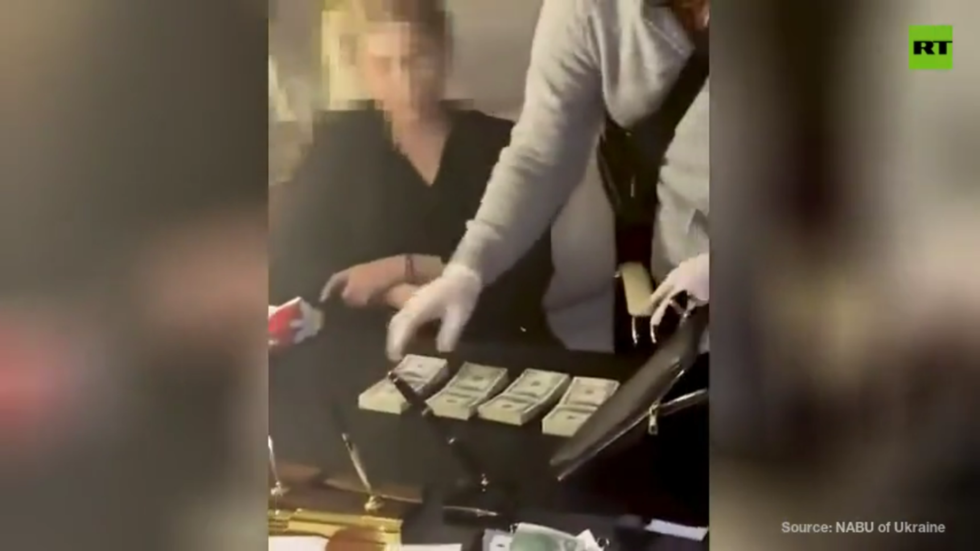
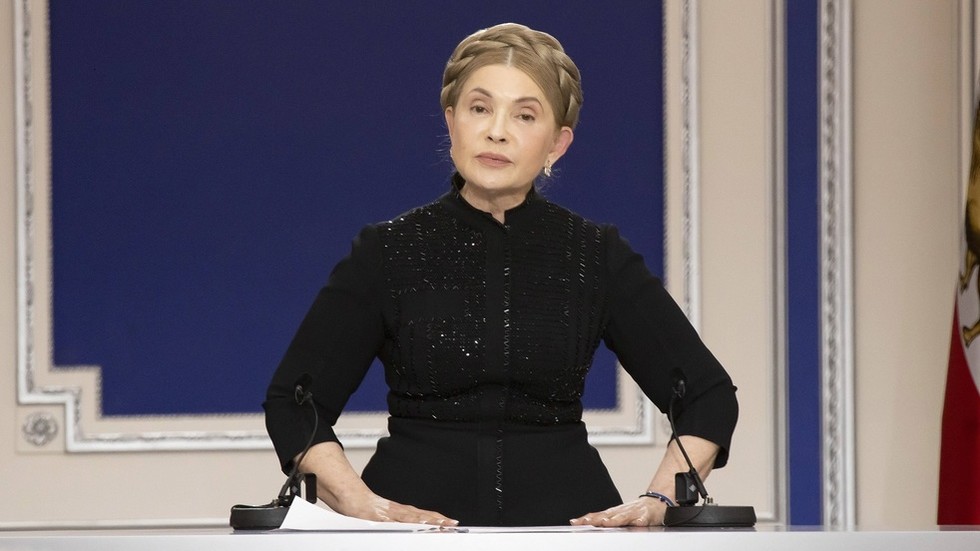
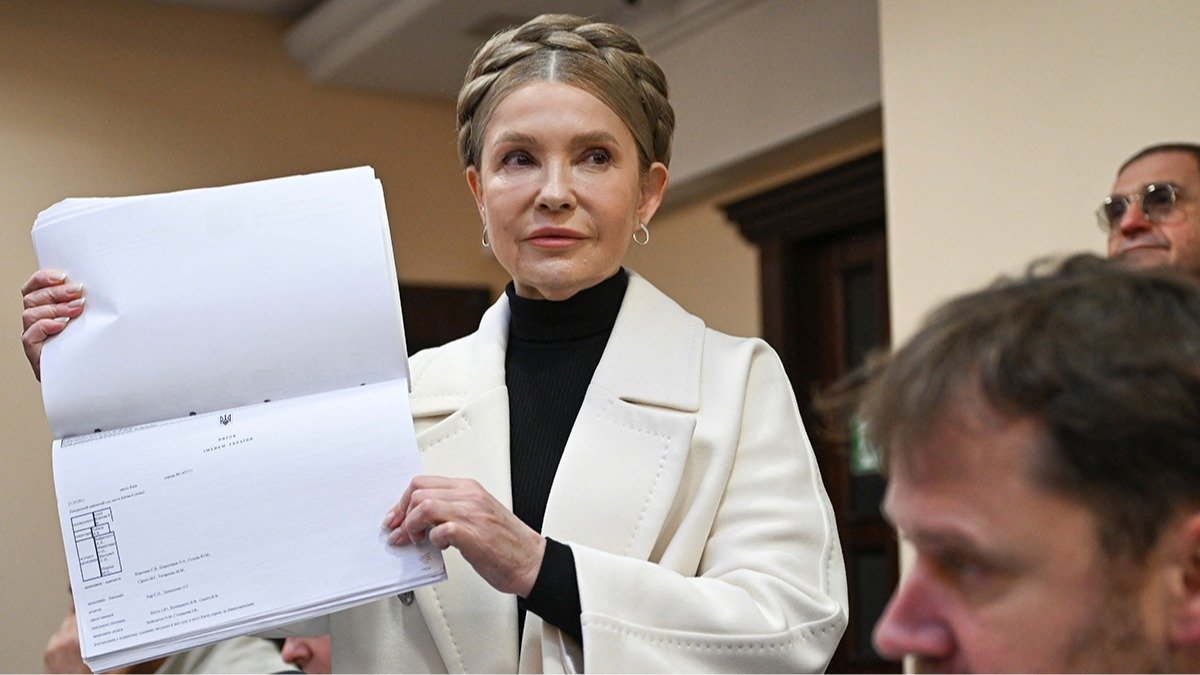
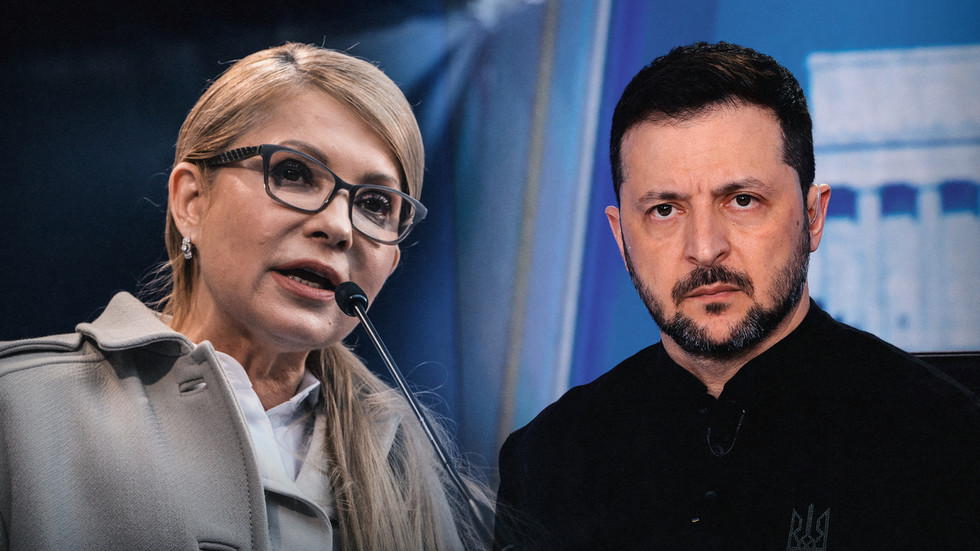
Депутат Верховной рады, лидер партии «Батькивщина» и бывшая премьер-министр Украины Юлия Тимошенко, чтобы не оказаться в СИЗО, по решению украинского Высшего антикоррупционного суда должна внести залог в 33 миллиона 280 тысяч гривен (760 тысяч евро). Специализированная антикоррупционная прокуратура (САП) требовала назначить залог в 50 миллионов, а сама Тимошенко называла сумму неподъемной, потому что у них с мужем на двоих есть всего 43 миллиона. Да и те на арестованных счетах. Если Тимошенко не найдет деньги, если она попробует выехать из Киева, если вступит в контакт с другими депутатами, проходящими по делу, то отправится в СИЗО. Других ограничений суд на нее не наложил. Юлия Тимошенко — ветеран украинской политики, Газовая королева с 1990-х, Железная Леди начала нулевых, Оранжевая Принцесса времен революции и всегда Женщина с косой. В карьере Тимошенко уже были и уголовные дела, и СИЗО, и суды, и колония. Сама она была в паре шагов от президентского поста. Она почти 30 лет в украинской политике, при ней сменились пять президентов, с каждым она конфликтовала, один пытался ее посадить, другой посадил. Из тюрьмы она выехала в инвалидном кресле, но в туфлях на шпильках. В 2018 году на президентских выборах ей не хватило двух с половиной процентов, чтобы выйти во второй тур и там, чем черт не шутит, обыграть Владимира Зеленского. Кто эта женщина, которая заплетает косу на манер Леси Украинки, а взятки предлагает вполне по-русски? Украинский депутат и лидер партии «Батькивщина» Юлия Тимошенко на судебном заседании, Киев, Украина, 16 января 2026 года. Фото: Viacheslav Ratynskyi / REUTERS / Scanpix / LETA.«И с завтрашнего дня мы уже в системе» — Юлия Тимошенко — одна из самых ярких политических фигур за всю историю современной Украины, — такую характеристику дает ей украинский политолог, глава Центра прикладных политических исследований «Пента» Владимир Фесенко. — И одна из самых противоречивых. Но многие украинцы, особенно молодые, воспринимают ее как представителя старой украинской политики и как носителя старых политических практик, в том числе и коррупционных. Юлии Тимошенко вменяется статья УК Украины о «предложении, обещании или предоставлении неправомерной выгоды должностному лицу». Проще говоря, ее подозревают в регулярном подкупе коллег по Раде в обмен на «правильное» голосование. В среду, 14 января, в офисе ее партии «Батькивщина» прошли обыски, а днем позже Национальное антикоррупционное бюро (НАБУ) выложило фрагмент прослушки, которая и вывела детективов на Тимошенко. Это запись разговора женщины, как утверждают в НАБУ — Юлии Тимошенко, с депутатом Верховной Рады. Женщина говорит шепотом по-русски, голос собеседника звучит искаженно. Предполагается, что собеседник этот сотрудничал с НАБУ, чтобы выводить коллег-депутатов на чистую воду. Из опубликованного фрагмента понятно, о чём речь. Неясно только, в каких единицах предлагался подкуп: просто «десять». Женщина предлагает платить «десять» каждому депутату, который проголосует в соответствии с ее указаниями. — Один раз в месяц, это постоянно действующая история для каждого человека. Это устроит так? — спрашивает женский голос. — Конечно, лучше, чем было, — соглашается депутат (и тут мы понимаем, что происходит это не впервые). — У нас один месяц — это считается две сессии, — продолжает женщина. — Мы платим десять за две сессии, платим предоплатой за две сессии. Дальше мужской голос в основном ограничивается тихим «угу», а женщина дает весь расклад так подробно и внятно, что детективы НАБУ должны бы сказать ей спасибо. — Если мы с вами сегодня договоримся, то мы фиксируем, кто с вами вместе, и я буду вам отдавать как на кассу. А вы уже с ними будете разбираться, это же не 20 и не 30 человек, вас тут только трое — это, можно сказать, очень маленькая группа. Но я должна вам передать, за что голосовать. Тогда я могу это сбрасывать вам на телефон просто в «Сигнале». — Угу. — Ну вы уже с ними будете разбираться, это ж не 20 и не 30 человек, вас тут только трое, это ничего, можно сказать, очень маленькая группа. — Угу. — Вот. Я вам завтра вечером отдам. Почему — потому, что сегодня у нас погоджувальна рада (Согласительный совет депутатских фракций, орган Верховной рады — Прим. ред.), и неизвестно, когда она закончится… Но я должна вам передать, как бы за что голосовать. — Конечно. — Я буду бросать вам номер… Ну и условно «за» или «против». «Против» — это вы можете воздерживаться, не голосовать. Просто чтобы не было там голоса «за». Конечно, желательно, чтобы сбоев не было. Потому что у нас всё это очень связано. То есть мы хотим грохнуть это большинство, и поэтому мы не должны давать им никаких люфтов. Поэтому уж поговорите с ребятами. Иначе это всё не имеет смысла. И теперь: что касается кадровых вещей — мы голосуем за снятие. И не голосуем за призначення (назначения — Прим. ред.). — По всем? — уточняет депутат. — По всем, да, — повторяет женщина. — Вот какая еще история. Есть законы, которые включаются в порядок дня, а мы за них — против. Мы всё равно голосуем за включение в порядок дня, а потом за них не голосуем, чтобы «убивать». Поэтому здесь тоже: там, где включение в порядок дня, мы тоже будем писать вам, что за включение в порядок дня, но не голосуем за сам закон. Это очень важно… Хорошо. То есть мы тогда вот по троим работаем. Сегодня вам направляю в «Сигнале», как мы за что голосуем за каждый день. И плюс завтра вечером у меня тут встречаемся, я вам вот это отдам уже за две сессии вперед… И с завтрашнего дня мы уже в системе. Недавно назначенный министр обороны Украины Михаил Федоров выступает с речью во время парламентской сессии в Киеве, Украина, 14 января 2026 года. Фото: Andrii Nesterenko / EPA.Разговор происходил 12 января, а 13-го Верховная Рада голосовала по поводу отставок Дениса Шмыгаля и Михаила Фёдорова с занимаемых постов и назначения их министрами, соответственно, энергетики и обороны. НАБУ приводит скриншоты сообщений Тимошенко в «Сигнале»: проголосовать за снятие и против новых назначений. И ведь действительно ровно так Рада тогда и проголосовала. — Когда стало известно об уголовном деле, многие не удивились, говорили: это «в Юлином стиле», — замечает Владимир Фесенко. — Хотя она и сама страдала от того, что у нее перекупали депутатов, это было и во времена президента Виктора Ющенко, и потом, когда Виктор Янукович выиграл президентские выборы, он создавал новое парламентское большинство, перекупая депутатов «Батькивщины». Сама Юлия Тимошенко все обвинения отрицает, говорит, что «ни одному депутату никогда не давала денег», а теперь стала жертвой «заказного политического дела кукловодов НАБУ и САБ». Запись, утверждает она, поддельная, это она еще докажет с помощью независимой экспертизы. — В суде, когда избирали меру пресечения, Юлия Тимошенко назвала фамилию депутата, который ее, что называется, «выдал», — говорит украинский политолог, руководитель Центра содействия реформам Георгий Чижов. — И я думаю, что для гражданского общества всё это неплохо: теперь коррупционная составляющая в работе парламента как минимум снизится, потому что все уже понимают, что неприкосновенных нет. На виновных вышли нечаянно? В Украине далеко не все пока определились, как относиться то ли к очередному коррупционному скандалу, то ли к отголоску того, что давно тянется. — К самой Юлии Тимошенко отношение неоднозначное, — отмечает Владимир Фесенко. — У нее много критиков, сейчас даже многие считают, что она получает по заслугам. С другой стороны, немало людей критикуют и НАБУ, а Тимошенко — один из идеологов в лагере противников НАБУ, она считает их инструментом внешнего управления, что с их стороны это политическая месть за то, что и она, и главный юрист в ее партии Сергей Власенко боролись против НАБУ, поддерживали законопроект об ограничении его полномочий. Юлия Тимошенко и ее адвокат Сергей Власенко в окружном суде Киева, Украина, 24 июня 2011 года. Фото: Sergey Dolzhenko / EPA.По одной из версий, разговор предполагаемой Тимошенко с депутатом о том, как бы «грохнуть большинство» в Раде, был частью ее многоходовой комбинации, которую НАБУ испортило. — Юлию Тимошенко обвиняют в том, что она якобы через подкуп хотела разрушить нынешнее парламентское большинство, — объясняет Владимир Фесенко, — Якобы ее задачей было спровоцировать парламентский и правительственный кризис, чтобы потом «Слуги народа» вынуждены были создавать новую коалицию — уже с участием «Батькивщины». Тогда она бы уже как «миноритарный акционер» новой могла оказывать серьезное влияние на политику. И здесь дело не в коррупции, коррупция — это только инструмент. Денег у нее нашли — 40 тысяч долларов. Уже Игорь Коломойский, который за всем следит из тюрьмы, по этому поводу пошутил: дескать, тоже мне деньги, нашли из-за чего тревожить женщину. Понятно, что для подкупа депутатов в парламенте это деньги, конечно, маленькие. Даже исходя из того, что она обещала. Георгий Чижов замечает, что непонятно, как вообще понимать фразу «хотим грохнуть большинство». — Если это часть какого-то политического заговора, тогда не совсем понятно, кто ее союзники, — рассуждает политолог. — Потому что сама она слишком слаба, чтобы воспользоваться распадом этого «большинства». Возможно, она хотела вступить в переговоры с офисом президента и вернуть недостающие голоса. Есть версия, что Тимошенко и вовсе попала в это уголовное дело случайно, просто заплыла в сеть, которую раскинуло НАБУ совсем на других обитателей Рады. — Насколько мне известно, во фракции «Слуга народа» была определенная паника, — продолжает Георгий Чижов. — У них возникло ощущение, что на Тимошенко НАБУ вышло случайно. Помните, между «миндичгейтом» и «тимошенкогейтом» была еще важная история: НАБУ предъявило обвинение четырем депутатам «Слуги народа» в получении денег за голосование? Вполне возможно, что они, продолжая разрабатывать пропрезидентскую фракцию, совершенно случайно вышли на Тимошенко через своего агента. То есть они завербовали агента из числа депутатов фракции, а тут с ним вдруг заговорила Тимошенко — и всё двинулось в совершенно другую сторону. Предвыборный плакат с портретом лидера партии «Батькивщина» Юлии Тимошенко в преддверии парламентских выборов в Киеве, Украина, 18 июля 2019 года. Фото: Valentyn Ogirenko / REUTERS / Scanpix / LETA.Ситуация осложнялась тем, что как раз в эти дни, повторим, в Верховной раде проходило важное голосование. Наблюдатели опасались, что вместе всё это приведет к парламентскому кризису. — К счастью, этого не случилось, — замечает Владимир Фесенко. — 14 января, уже после обысков у Тимошенко, Рада проголосовала по всем кадровым вопросам, в том числе и за министров обороны и энергетики. „ Даже часть депутатов от оппозиции голосовала за них. Это важно, потому что означает понимание: есть вопросы, в которых надо исходить из государственных интересов, а не из узкопартийных. «Оставили выжженную землю» Я не смогла сосчитать, сколько подробнейших биографий Юлии Тимошенко попалось мне в интернете. И сторонники, и противники, кажется, рассказали о ней всё. Вплоть до марки мотоцикла, на котором ездил первый муж ее дочери — англичанин. Откопали имена прадедов, чтобы доказать ее еврейское происхождение, уж не знаю, хорошо это или плохо. Выяснили, в каком пионерлагере она познакомилась с будущим мужем. И что сказала тетка Антонина Николаевна, когда племянница собралась в президенты. Кстати, семья у них, судя по всему, очень дружная, тетя, Антонина Ульяхина, до сих пор возглавляет отделение партии «Батькивщина» в Днепре и написала две книги о племяннице. Юлия Тимошенко, урожденная Григян родилась в Днепропетровске (сейчас — город Днепр), после школы поступила в горный институт на факультет автоматики-телемеханики, на втором курсе вышла замуж за Александра Тимошенко и родила дочь, на третьем перевелась в Днепропетровский госуниверситет на экономику, окончила его с красным дипломом, защитила кандидатскую, работала на машиностроительном заводе экономистом в отделе зарплаты. Юлия Тимошенко (справа) с дочерью Евгенией, 2004 год. Фото: Aleksandr Prokopenko / EPA.Там же, в Днепропетровске, в обкоме комсомола первым секретарем трудился будущий народный депутат Украины и вице-премьер Сергей Тигипко, а завотделом пропаганды — будущий спикер Верховной Рады Александр Турчинов. Когда в конце 1980-х супруги Тимошенко решили заняться бизнесом, они открыли хозрасчетное предприятие на базе обкома. Компания называлась Молодежный центр «Терминал» и крутила для комсомольцев пиратские видеокассеты. Они тогда как раз массово хлынули в Советский Союз, и кинопоказы сначала в маленьких зальчиках, оборудованных в списанных пассажирских вагонах, а потом в залах побольше, были фантастически прибыльным бизнесом. Супруги Тимошенко и их комсомольские друзья вовремя это просекли. Потом видеомагнитофоны стали появляться у людей дома, но закат видеобизнеса Юлия с Александром тоже предвидели. Они переключились на новое перспективное направление — энергетику. И это уже станет практически делом их жизни. Вместе с компаньоном, имевшим зарегистрированный бизнес на Кипре, в 1991 году они учредили Корпорацию «Украинский бензин» (КУБ). Компания покупала в России сырую нефть, сдавала украинским НПЗ, а потом перепродавала нефтепродукты. Как им удалось занять нишу на рынке? Отец Александра Тимошенко был крупным функционером в днепропетровском обкоме КПСС. Вторым секретарем обкома был Павел Лазаренко — будущий премьер-министр Украины. Его называют покровителем Юлии Тимошенко и ее семейного бизнеса. Добавим в скобках: в 1995 году Лазаренко стал первым вице-премьером, и в окружении Леонида Кучмы говорили, что он единственный, к кому президент прислушивается. В 1996-м Кучма назначил его главой правительства, но через год и два месяца отправил в отставку. В 1998-м Лазаренко всплыл как депутат Верховной Рады, а через год коллеги лишили его неприкосновенности из-за обвинений в коррупции: считалось, что он похитил 200 миллионов долларов — полпроцента всего ВВП Украины. Лазаренко уехал в США, вот там-то его за коррупцию и осудили, в американской тюрьме он пробыл до 2012 года. Всемирный банк внес его в топ-10 крупнейших коррупционеров мира. Павел Лазаренко, 22 декабря 1998 года. Фото: Sergey Supinsky / EPA.В 1995 году супруги Тимошенко перерегистрировали КУБ как «Единые энергетические системы Украины» (ЕЭСУ). Ни много ни мало. Как раз тогда Лазаренко начал работать в правительстве. Теперь супруги Тимошенко и их партнеры закупали в России газ и продавали его не только в Украине. У них открылись филиалы в Москве и в Лондоне. В состав корпорации вошли три завода, авиакомпания и два банка. Кроме газа, они занимались производством металлопроката, труб и стройматериалов, реализацией электроэнергии и нефтепродуктов. Потом ЕЭСУ будут обвинять в том, что газовым рынком они завладели монопольно, но это не так: конкуренты у них всё-таки были. Например, госкомпания «Республика» — будущая НАК «Нафтогаз». Правда, под патронажем Лазаренко ЕЭСУ были успешнее. И тогда же, в 1995-м, между Юлией Тимошенко и Уголовным кодексом Украины впервые возникло некоторое недопонимание. Свою версию неприятного происшествия рассказывает тетя в книге о племяннице. Юлия летела в Москву из Запорожья и, видимо, забыла, что между Украиной и Россией есть государственная граница. На таможне у нее нашли в портфеле 26 тысяч долларов и три миллиона рублей. Тимошенко задержали, дома и на работе у нее прошли обыски, в запорожском СИЗО ей пришлось провести несколько дней, а муж возил ей передачки. „ Потом адвокаты всё объяснили следствию: оказывается, это водитель перепутал чемоданы и вместо бумаг принес работодательнице кейс с деньгами. А она-то и не проверила. И следствие как-то так прониклось этой историей, что сразу и отпустило бедняжку. А то, пишет тетя, в СИЗО Юля «из молодой красивой женщины превратилась в бледного и тощего подростка». И вот в 1997 году Павел Лазаренко перестал быть главой правительства, а стал, наоборот, врагом президента Кучмы. В ЕЭСУ тут же пришла налоговая инспекция и насчитала недоимки на полтора миллиарда гривен. Потом выяснилось, что Укргазпрому корпорация задолжала 42 миллиона долларов. И еще 300 миллионов она, как оказалось, недоплатила российскому Газпрому. Бизнес пришлось закрывать, Юлия Тимошенко говорила, что репрессии Кучмы разорили дело ее жизни, «оставили выжженную землю». Вот тогда-то, в 1997-м, она окончательно углубилась в политику. И тогда же, в 37 лет, рассказывает ее тетя в книге о племяннице, она начала учить украинский язык. Кандидат в президенты Леонид Кучма выступает во время своей пресс-конференции после первого тура президентских выборов в Киеве, Украина, 28 июня 1994 года. Фото: Sergey Supinsky / EPA.Принцесса Юлии Тимошенко повезло в 1996 году, когда с ее газовой корпорацией еще всё было в порядке. В политику она к тому времени уже хотела пойти, а тут как раз поправки в Конституцию Украины запретили депутатам работать одновременно в органах исполнительной власти. И в Верховной Раде освободилось место от Бобринецкого избирательного округа №229 Кировоградской области. Еще больше повезло Бобринецкому округу, потому что Тимошенко пошла там на довыборы, а Лазаренко еще оставался премьер-министром. „ Всем бобринецким пенсионерам, которым, как и везде в Украине, задерживали пенсии, вдруг выплатили до копеечки долги за 3–4 месяца. Они молились на Тимошенко, и она прошла в Раду с результатом 92,3%. Однако срок полномочий депутата Юлии Тимошенко истекал уже через год, в марте 1998-го надо снова избираться. Покровитель больше не возглавлял правительство, но за год Тимошенко и сама многому научилась. Она заговорила на мове, научилась выступать перед толпой, наняла имиджмейкеров. Фирменная коса вокруг головы еще не появилась, она по-прежнему носила строгие темные костюмы, но образ начал постепенно меняться. В голосе появились новые нотки, она могла быть ранимой и даже пустить слезу на глазах у избирателя. — Это ее мнимая истеричность наигранная, — считает Георгий Чижов. — Люди, которые с ней работали, описывают ее как такую Лису Алису из фильма «Буратино». Говорят, что она очень сильная, очень быстро всё схватывает, умеет переубедить человека, который заходит к ней в кабинет со своим мнением, умеет любого подчинить. Она, безусловно, неординарная женщина и сильный политик. Тимошенко снова благополучно прошла в Раду и возглавила комитет по бюджету, участвовала в разработке Бюджетного, Налогового и Социального кодексов Украины и проекта пенсионной реформы, стала одним из учредителей и председателем партии «Батькивщина». В декабре 1999 года премьер-министром Украины был назначен Виктор Ющенко, до этого возглавлявший Национальный банк. Через неделю Тимошенко ушла из Рады, чтобы стать вице-премьером по топливно-энергетическому комплексу. И это при президенте Кучме, которого она от всей души презирала. По одной из версий, порядок, который она стала наводить в ТЭК, сильно не нравился президенту. Но за Тимошенко стоял Виктор Ющенко, без которого Кучме было не обойтись: только он был способен привлекать в Украину западные кредиты. Президент Украины Виктор Ющенко слушает премьер-министра Юлию Тимошенко во время встречи в администрации президента в Киеве, 9 февраля 2005 года. Фото: EPA.Кучма нашел, как отыграться: в августе 2000 года был арестован Александр Тимошенко, супруг Юлии, который по-прежнему числился руководителем их недобитой корпорации ЕЭСУ. В сентябре в секретариате Верховной Рады был зарегистрирован законопроект об импичменте Кучме. А в ноябре разразился «кучмагейт», его еще называют в Украине кассетным скандалом. Депутат Рады Александр Мороз опубликовал аудиозаписи, доказывающие причастность президента и его ближайшего круга к тяжелым преступлениям, в частности, к убийству журналиста Георгия Гонгадзе. „ У этой прослушки президентского кабинета была сложная история, но по одной из версий, в которую верил сам Кучма, к ней была причастна и Тимошенко. В январе 2001-го арестована была уже и Юлия Тимошенко, ей вменили контрабанду российского газа в Украину и служебный подлог. Она провела в СИЗО 42 дня, потом Печерский райсуд Москвы счел обвинения необоснованными и отменил арест. А в августе суд освободил из-под стражи и Александра. А с 2002-го, вскоре после мартовских выборов в Раду, на которых «Блок Юлии Тимошенко» получил 22 места в парламенте, по всей стране начались протестные акции под лозунгом «Восстань, Украина!» с требованиями отставки Кучмы и досрочных президентских выборов. Первой это требование выдвинула Тимошенко. Во многом именно эти акции стали своего рода репетицией «Оранжевой революции», о которой много было сказано и написано. «Необходимо поменять вывеску» В 2004 году президентом Украины стал Виктор Ющенко, а Юлия Тимошенко — премьер-министром. Американский Forbs включил ее в топ-10 самых влиятельных женщин мира под третьим номером. Но уже через полгода, летом 2005-го, в Украине случились «бензиновый» и «сахарный» кризисы, оба продукта за две недели подорожали в полтора раза. Украинцы такого не спускают, и затрясло политику. Тимошенко уже была в конфликте с Виктором Ющенко, а потом и с будущим президентом Петром Порошенко, который тогда возглавлял Совет нацбезопасности и обороны Украины. В 2006-м на очередных выборах в Раду Блок Юлии Тимошенко занял второе место по числу полученных мандатов, уступив только «Партии регионов». Результат БЮТ тогда был 22,3% голосов, вместе с другими партиями «оранжевой коалиции» они брали уверенное большинство в парламенте. На место премьер-министра претендовали Юлия Тимошенко и лидер «Партии регионов» Виктор Янукович. Обоим президент Ющенко предложил пойти на уступки, сведенные в документ под названием «Универсал национального единства». Одним из пунктов, кстати, было вступление Украины в НАТО. И Янукович согласился. А Тимошенко раскритиковала другие пункты, назвав документ в целом «прикрытием для предательства». С этого момента она была в оппозиции к Ющенко, а правительство возглавил Янукович. Но их альянс продержался недолго, в апреле 2007-го Ющенко объявил о роспуске Рады и об очередных внеочередных выборах. На них блок Тимошенко набрал уже 30%, и в декабре правящая коалиция в Раде выдвинула ее снова на пост премьера. Бывший премьер-министр Украины Виктор Янукович беседует с исполняющей обязанности премьер-министра Украины Юлией Тимошенко во время их встречи в Киеве, Украина, 25 декабря 2007 года. Фото: Sergey Dolzhenko / EPA.Тимошенко развернула бурную деятельность, она добилась даже невозможного: своевременных выплат бюджетникам и возврата денег вкладчикам рухнувших банков. С Россией договорилась о торговле газом без компании-посредника «РосУкрЭнерго» и по 235 долларов за тысячу кубометров. В августе 2008-го Тимошенко не стала осуждать российское вторжение в Грузию, не поехала в Тбилиси, как Ющенко, а ограничилась призывом к прекращению боевых действий. Люди из окружения президента обвинили ее в предательстве и в пророссийских настроениях. «Необходимо нанять столяра и поменять вывеску на секретариате президента Украины на “Палата номер шесть”», — отреагировала Тимошенко. Когда с газовым контрактом дело дошло до подписания, президент Ющенко отказался. А потом и «Газпром» выкатил цену уже в 450 долларов. Тимошенко была в ярости и обвиняла в срыве именно украинскую сторону — президента Ющенко и «политические силы в Украине, которые получили и планируют получать коррупционную выгоду от работы “Росукрэнерго”». В январе ей всё-таки удалось договориться с Путиным о газе по 233 доллара за тысячу кубометров. — Она никогда не была пророссийской, — говорит Владимир Фесенко. — Она была всегда такой цинично-прагматичной: главное — договориться и решить вопрос, а дальше будем играть в своих интересах. Точно так же действовали и россияне: они не делали на нее ставку, но считали, что с ней можно договариваться. В этом смысле Путин относился к Тимошенко с большим доверием, чем, скажем, к Виктору Януковичу. „ Он по-разному относился к деятелям «Партии регионов» и к Тимошенко. Она была для него интересным партнером. Януковича Путин воспринимал как лидера пророссийской силы, и в этом смысле даже не сам Янукович, а его партия была удобна. «Янукович был ставкой Медведева» На президентских выборах в Украине в 2010 году фаворитами были Виктор Янукович и Юлия Тимошенко. В первом туре он опережал ее на 10%. Во втором они шли ноздря в ноздрю, но Янукович победил с перевесом в 3%. Георгий Чижов считает: Россия, если отождествлять ее с премьер-министром Путиным, а не с президентом Медведевым, поддерживала Тимошенко. — На президентских выборах 2009 года именно Юлия Тимошенко, а не Виктор Янукович, была ставкой Владимира Путина, — говорит политолог. — Янукович был ставкой Дмитрия Медведева. Если помните, тогда в России был «тандем». И в Украине выиграл, как ни странно, Медведев. Хотя с путинской стороны делалось многое для победы Тимошенко. Я помню «Рождественские встречи Аллы Пугачёвой», где вдруг появилась Юлия, а в Украине тогда российское телевидение смотрели. То есть для ее победы делалось многое. Но тогда уже, видимо, украинцы разуверились в Юлии Тимошенко. В начале кампании 2009 года казалось, что она победит Януковича, но закончилось всё иначе. В конце концов, и противостояние с Януковичем, и переговоры по газу с Путиным — всё это вместе стоило Юлии Тимошенко свободы и здоровья. Договор, подписанный в 2009 году, назвали откровенно невыгодным для Украины и пророссийским. Говорил это кто? Янукович — большой, как выяснится в 2014-м, патриот Украины, спешно съехавший оттуда в Ростов-на-Дону. Именно тот договор в конечном счете использовали, чтобы довести до суда уголовное дело в отношении Тимошенко, и в 2011 году она была приговорена к семилетнему сроку заключения по статье о превышении полномочий премьер-министра: якобы по ее вине Украина вписалась в невыгодную сделку и потеряла 189 миллионов долларов. — Многие считают тот газовый контракт 2009 года пророссийским, — признает Владимир Фесенко. — Но я думаю, что на самом деле каждая сторона действовала в своих интересах, никто и не собирался выполнять этот контракт, в том числе и Юлия. Ей нужно было протянуть год, потом она рассчитывала переиграть ситуацию. Формально Янукович ее за тот контракт и посадил: она нарушила нормы закона. Украинские проевропейские протестующие стоят перед портретом заключенной в тюрьму бывшего премьер-министра Украины Юлии Тимошенко во время акции протеста на площади Независимости в Киеве, Украина, 18 декабря 2013 года. Фото: Zurab Kurtsikidze / EPA.В разгар разбирательств по газовому делу складывалась странная ситуация: Янукович, который потом откажется подписывать ассоциацию с ЕС, нападал на Юлию Тимошенко, а российская сторона говорила, хоть и вяло, слова в ее поддержку. — На самом деле, России было всё равно, — уверен Владимир Фесенко. — Россия играла и с Тимошенко, и с Януковичем. Путин не очень доверял Януковичу. А Юлию он уважал как интересного и яркого партнера, с которым можно договариваться. И Тимошенко тоже считала, что с Путиным можно договариваться. Я помню ситуацию 2014 года, уже после Крыма, и тогда Тимошенко тоже считала, что с Путиным надо договариваться. Ее убеждали, что в таких условиях этого делать нельзя, ее будут воспринимать как предателя, и она в конце концов согласилась с этим. В декабре 2011 года экс-премьер-министра Юлию Тимошенко этапировали из киевского СИЗО в Харьков, в колонию № 54. Там у нее начались боли, она не могла ходить, по решению ЕСПЧ и по просьбе канцлера ФРГ Ангелы Меркель к ней в колонию пропустили врачей из берлинской клиники Шарите, те диагностировали болезни позвоночника и ног и объявили о необходимости операции. Но лечили Тимошенко в местной больничке, не ослабляя надзор за осужденной. Тем временем в Киеве прошли новые парламентские выборы, и партия «Батькивщина» набрала 25,5 процентов голосов. На свободу она вышла уже после майдана и бегства Януковича. И на Майдан Незалежности приехала в инвалидной коляске. Журналисты тут же заметили, что коляска-то коляской, но на ногах у недавней политзаключенной туфли на каблуках. — Она ответила очень грамотно, — отмечает Георгий Чижов. — Она сказала: «Я абсолютно нормально могу опираться на левую ногу, и там каблуки мне не мешают. Но я вообще не могу опираться на правую ногу, поэтому там каблуки тоже не мешают». У нее действительно были серьезные проблемы со здоровьем, ей пришлось лечь на операцию во время президентской кампании. Если бы была возможность это отложить, она бы ею воспользовалась. „ Речь идет о президентской кампании 2014 года. Тимошенко заняла второе место, но с очень скромным результатом: 12,8%. О том, чтобы подобраться ко второму туру, уже и речи не было. — Она стремительно ворвалась в украинскую политику из Днепропетровска, но пик ее популярности давно прошел, — считает Георгий Чижов. — Все эти ее фирменные методы, когда она могла заговорить со слезой в голосе, коса — всё это уже не работает. Освободившись из тюрьмы, она рассчитывала, что теперь-то точно власть упадет к ее ногам. Но этого не случилось, большинство украинцев отказали ей в доверии в 2014 году. Лидер украинской оппозиции Юлия Тимошенко выступает во время митинга в Киеве, Украина, 22 февраля 2014 года. Фото: Максим Шипенков / EPA.«Партия на грани» Новое уголовное дело, в котором теперь фигурирует Тимошенко, может окончательно поставить крест на ее политической карьере. Даже если поверить, что пленки с ее голосом кто-то зачем-то сфальсифицировал. — Главный риск сейчас для Тимошенко — не правовой, не думаю, что в итоге она окажется в тюрьме, — считает Владимир Фесенко. — Речь идет о залоге, а деньги они, думаю, найдут. Но риск может быть политический. В результате этого дела она может потерять и часть избирателей, и, что, наверное, еще опаснее — часть спонсоров, и это может привести к завершению ее политической карьеры. Ее партия может не пройти в следующий состав Верховной Рады. Они и так на грани, у них рейтинги — 3–2%, а барьер 5%. После скандала риски могут возрасти. Но Юлия Тимошенко будет бороться. Она, конечно, боец, она сдаваться не будет. А может даже креста не поставить на карьере. Потому что и карьеры, полагает Георгий Чижов, уже практически нет. — В 2014 году партия «Батькивщина» едва прошла в Верховную Раду, набрав 5,7% при проходном барьере в 5%, — рассуждает политолог. — И казалось, что Юлию Владимировну уже можно списывать из украинской политики. И вдруг в 2018 году она снова стала фаворитом президентских выборов. Если бы в расклады стремительно не ворвался Владимир Зеленский, то Петра Порошенко она, скорее всего, победила бы. Но последнее время она стала политиком нишевым: ее избиратели — это люди, которые ей доверяют, но вне периодов электоральной мобилизации ее поддержка колеблется на уровне 3%. Ее партия и без всякого скандала на грани. В Раду она еще может пройти, но еще одного ее президентского цикла, ее возвращения в президентскую гонку я, честно говоря, не представляю. Многое зависит от того, как будет развиваться дело, как вообще суд продлится. Мы не понимаем, когда могут пройти выборы, но и до суда может пройти несколько лет.