Areas of Agreement
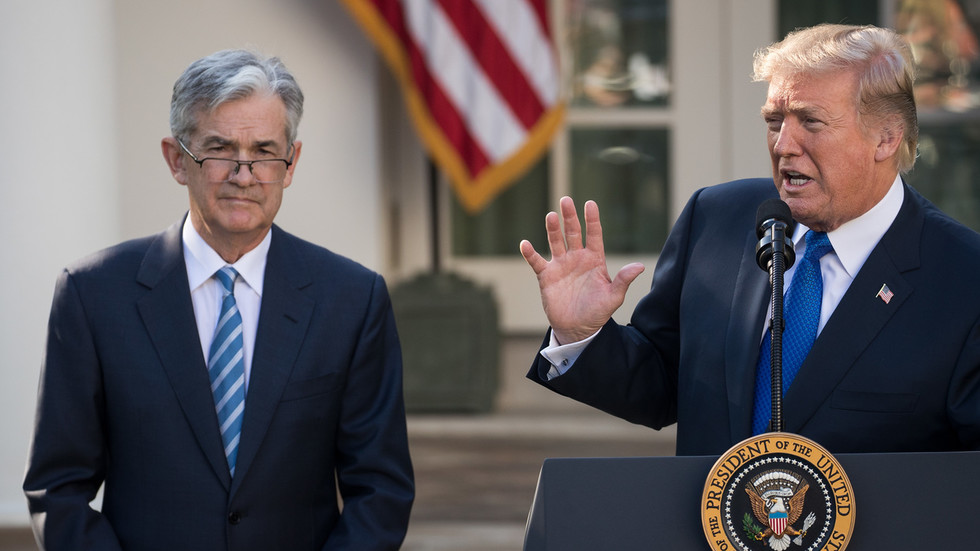
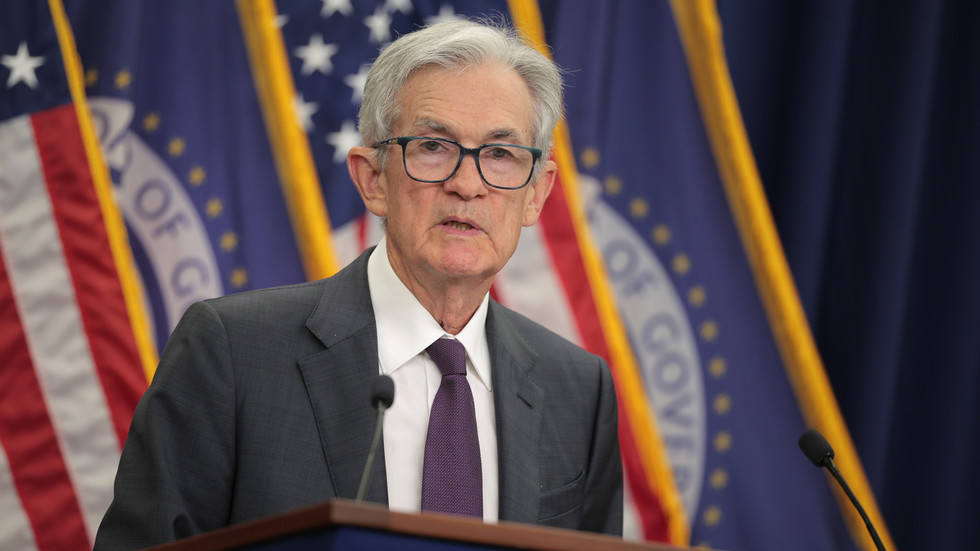
Government-aligned and opposition outlets broadly agree on the basic facts and stakes of the situation. Both acknowledge that District of Columbia prosecutors have opened a criminal investigation into Federal Reserve Chair Jerome Powell, formally tied to the multi‑billion‑dollar renovation (about $2.5 billion) of the Fed’s Washington headquarters and Powell’s related congressional testimony. They also converge on Powell’s own characterization of the probe as being linked to White House dissatisfaction with the Fed’s interest rate policy, and on the backdrop of Donald Trump’s public criticism of Powell’s performance. Across both perspectives, the investigation is presented as occurring in a context where central bank independence and the Fed’s role in setting interest rates are at the center of political conflict.
- Commonly reported facts:
- Launch of a criminal investigation targeting Powell
- Focus on headquarters renovation spending and congressional testimony
- Powell’s claim that the probe is a pretext tied to monetary policy disputes
- Trump’s criticism of Powell and of recent interest rate decisions
Areas of Divergence
Where the two camps diverge is in framing, emphasis, and implications. Government-side coverage casts the probe mainly as part of a broader assault on central bank independence, stressing that the investigation was reportedly approved by a Trump ally and using this case to argue that efforts to intimidate the Fed threaten a long-standing democratic norm, even while noting that high public debt and a financialized economy already constrain true independence. Opposition coverage, by contrast, foregrounds the legal and procedural dimension of the investigation into the $2.5 billion renovation, giving more detail on the prosecutorial action itself and treating Powell’s linkage to Trump’s dissatisfaction as an allegation rather than an established political campaign to “break” the Fed. In effect, government sources frame the case as a symbol of systemic political pressure on the Fed, while opposition outlets frame it primarily as a significant but specific prosecutorial inquiry with political overtones.
-
Government framing:
- Emphasizes an attempt to undermine Fed independence and intimidate Powell
- Links the probe to a larger pattern of Trump-era pressure on monetary policy
- Argues that genuine central bank independence is already eroding due to debt and financialization
-
Opposition framing:
- Highlights the formal criminal investigation into the renovation project and testimony
- Treats Powell’s claim of political motivation as his interpretation, not a settled fact
- Focuses more on specific prosecutorial actions than on broad systemic narratives
In sum, both sides agree on the core event and its connection to tensions over interest rates, but government coverage stresses a narrative of political intimidation and institutional erosion, while opposition outlets concentrate on the concrete legal case and present the political angle in more cautious, attribution-based terms.
Story coverage