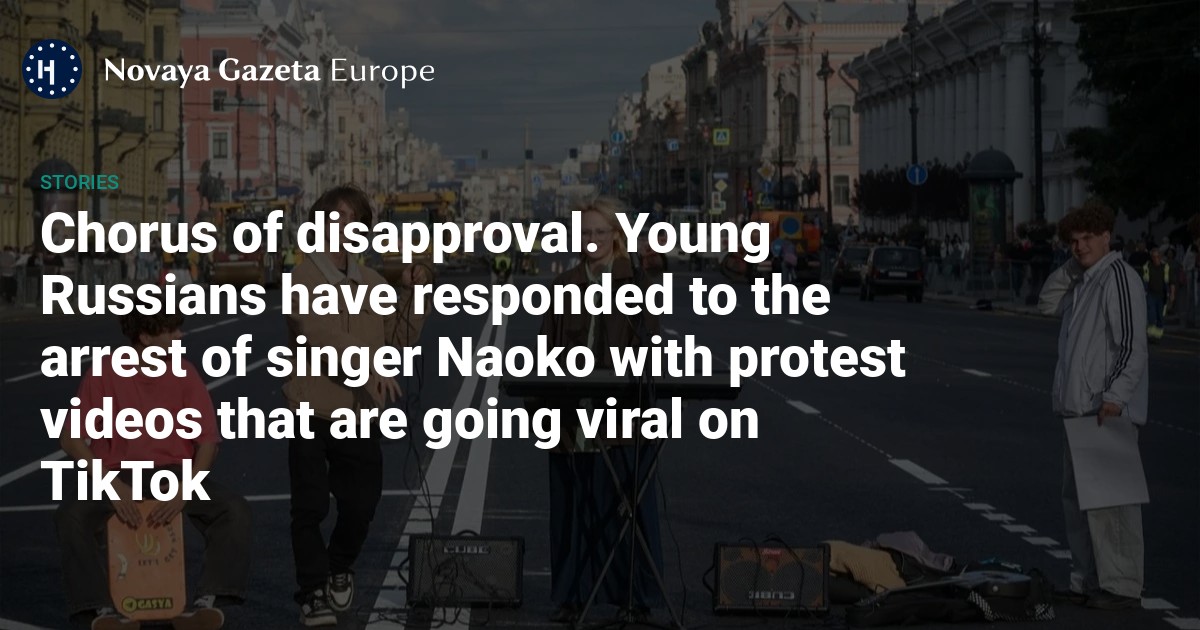
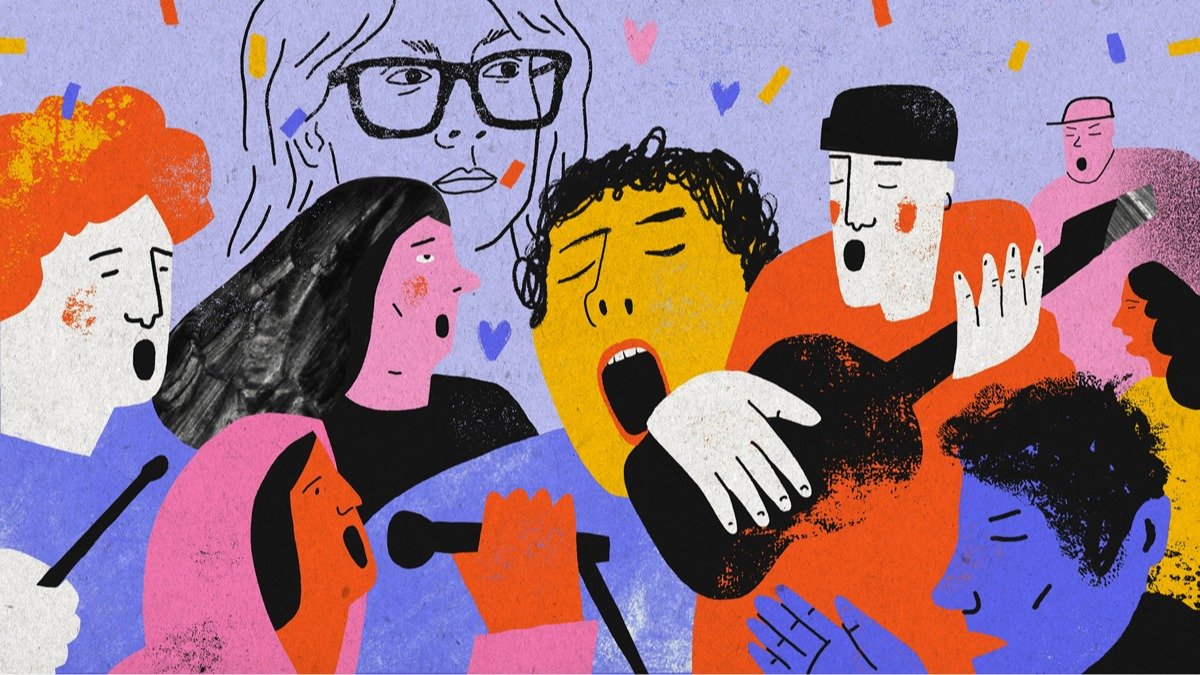
Одним из самых заметных событий уходящего года стала история кавер-группы Stoptime, которая исполняла песни «запрещенных» Монеточки и Noize MC на улицах Санкт-Петербурга. Молодым музыкантам, по сути, удалось организовать самые массовые антивоенные собрания с момента начала «СВО». Российские власти ответили на это «карусельными арестами» группы. Пока взрослые политики и эксперты спорили, могут ли россияне в 18 лет осознавать все риски политических высказываний и кого винить в арестах Наоко, молодые люди по всей России поддержали Stoptime. Где-то подростки выходили на улицу петь те же «запрещенные» песни, а кто-то выкладывал протестные видео в соцсетях, набиравшие миллионы. Мы спросили бунтующую молодежь, как они встретили неожиданное спасение и отъезд Наоко, с какими чувствами провожают старый год и чего желают себе и нам в новом. Иллюстрация: Ляля Буланова / «Новая газета Европа».В апреле 2025 года восемнадцатилетняя пианистка, студентка училища имени Римского‑Корсакова Диана «Наоко» Логинова и ее друзья — гитарист Александр Орлов и барабанщик Владислав Леонтьев — вышли на улицу. Они собрали скромную группу и назвали ее Stoptime. Stoptime выступала на петербургских улицах несколько месяцев, а затем видео с их песнями неожиданно стали «залетать» в тикток. Сначала петербургское издание «Бумага» выложило ролик, где музыканты поют песню Монеточки «Это было в России», — у видео было более полумиллиона просмотров и 80 тысяч лайков. Затем молодые музыканты начали собирать толпы зрителей на улицах Санкт-Петербурга, заранее анонсируя свои выступления в телеграм-канале. В интервью «Бумаге» Логинова тогда сказала, что выбирает песни Монеточки, Земфиры, Noize MC, Би‑2 и Валерия Меладзе, потому что «в них есть любовь». Наоко признавалась, что хотела бы, чтобы ее заметили Монеточка или Noize MC, но вместо этого получила внимание Z‑каналов. Свое возмущение высказала член президентского Совета по правам человека и главред издания Regnum Марина Ахмедова. Она назвала анонсы выступлений Stoptime «практически [сообщениями] о митингах». Заявления в Следственный комитет и МВД на группу написал депутат Госдумы от Санкт-Петербурга Михаил Романов: якобы коллега показал ему ролик, где подростки «скачут под песни иноагентов». 16 октября Логинову и других участников группы впервые арестовали. После этого Stoptime начала скрывать расписание концертов и попросила подписчиков не выкладывать видео, чтобы не провоцировать новые доносы. Но это не помогло. С середины октября группа оказалась в ловушке «карусельных» арестов. Кроме первого задержания 15 октября Логинову, Орлова и Леонтьева задерживали 29 октября и 11 ноября. Их приговаривали к 12–13 суткам за «организацию массового пребывания граждан», дополнительно на Наоко составили еще и два протокола за «дискредитацию армии» — за исполнение песен «Ты солдат» и «Светлая полоса». После задержания Stoptime российский тикток заполнили протестные ролики: видео под песни Монеточки и Noize MC набирали от десятков тысяч до миллиона просмотров. Молодые люди не только выкладывали ролики, но и выходили на улицы своих городов, чтобы исполнять там «запрещенные» и не только треки «иноагентов». «Новая-Европа» поговорила с теми, кто в 2025 году в первый раз выступил против войны и репрессий о том, как этот опыт изменил их жизнь. Мы не называем имена собеседников из соображений безопасности. «Наших слушателей прогнули, и мы должны им помочь» Певица из Петербурга, которая выступает с кавер-группой и поет те же «запрещенные» песни, — о том, что нельзя сбавлять громкость Мы не стали больше бояться, наоборот, появилось ощущение, что людей, наших слушателей, «прогнули», и мы должны были им помочь, их поддержать. Поэтому мы пели, ведь музыка — это способ говорить. Жалобы [на исполняемые нами треки] были, очень часто: от коллег, от прохожих и, видимо, неравнодушных к нашей деятельности людей. Мы искренне не понимаем, зачем люди намеренно портят всё. Но мы будем делать всё, чтобы играть, и будем отдаваться этому делу. Полиция и правда стала относиться к музыкантам жестче — настолько, что и нашу группу задерживали. Но это не влияет на наш репертуар. Мы поем то, что отзывается нам и нашим слушателям. Единственное, что группа убрала из репертуара, — песню Noize MC «Светлая полоса», которую так любили все. „ Люди реагировали на исполнение таких треков довольно отзывчиво: некоторые из них плакали в толпе на Сенной площади. Приятно видеть, как ты делаешь людей счастливее, это делает счастливыми нас самих. Мы любим свое дело, любим песни, которые поем. Что может быть лучше? Каждый имеет право самовыражаться, быть услышанным. Мы надеемся, что скоро нас, наше поколение музыкантов, перестанут так «душить», что нам дадут свободу. Проблема в том, что нас слышат, но не слушают. Мы бы хотели сказать, чтобы вы не боялись. В новом году мы желаем всем сил, терпения, удачи и уверенности. Не сбавляйте громкость — говорите и пойте так, чтобы вас было слышно. «Мы подняли бунт. Жаль, что ненадолго» 18-летняя музыкантка из Москвы — о преодолении страха Мои видео раньше никогда не были откровенно политическими, в тиктоке я в основном продвигаю свою музыку. Но я не видела такой сплоченности, наверное, с 2021 года: тысячи подростков выходили с протестами, рисовали плакаты. Фактически поднимали маленький бунт. Интернет после этого стал чуть более дружелюбным и солидарным. Жаль, что ненадолго. Говорить громче нужно, но, к сожалению, это почти невозможно, потому что стало слишком опасно. Одно не так сказанное слово — и ты уже в зале суда. Я боюсь даже сделать каверы на некоторые песни того же Noize MC. Боюсь, что за это меня могут привлечь к ответственности власти. Возникает мысль: если это произошло с Наоко, то может произойти и со мной. Я решила, что продолжу делать свой контент и пытаться расти, но теперь буду гораздо аккуратнее в подборе слов, чтобы случайно не задеть ничьи чувства, не получить жесткую цензуру или не быть привлеченной к ответственности. Но я желаю себе и другим в новом году не бояться своих выражений и своих действий. Не прогибайтесь под людей никогда, делайте то, чего требует ваша душа. Как пела «Машина времени», «не стоит прогибаться под изменчивый мир, однажды он прогнется под нас». Тут это имеет даже больший смысл: всегда нужно думать о себе в первую очередь и о том, что бывает за сказанные слова, а фраза «не прогибаться под изменчивый мир» значит не сдаваться и оставаться на своем ладе. Уличный музыкант в центре Санкт-Петербурга, 27 октября 2025 года. Фото: Ольга Мальцева / AFP / Scanpix / LETA.«Я почувствовала абсолютное единение и какое-то внутреннее спокойствие» Блогерка из Санкт-Петербурга — о поиске душевного равновесия В России после 2022 года я как будто окончательно потеряла надежду найти вокруг себя людей, которые думают так же, как я. Боишься лишний раз что-то неправильно сказать даже в интернете, боишься хейта, доносов и всего этого. И вдруг большое количество людей сплачивается вокруг Наоко, вокруг Stoptime. Я почувствовала абсолютное единение и какое-то внутреннее спокойствие. Мне очень важно было увидеть, что огромное количество людей не согласны с пропагандой. Это сильно воодушевляет: понимаешь, что при всем мраке вокруг ты не один думаешь, что они там все сошли с ума, не один считаешь, что Наоко ни в чем не виновата. Не один видишь, что Россия действительно может быть страной возможностей. Комментарии под роликами в поддержку Наоко возвращают мне веру в россиян. Потому что я вижу их не только от молодых, ровесников Наоко или моих ровесников, но и от взрослых людей, которые много видели и пережили. При личном общении в интернете я говорю, что против войны и против всего, что происходит. И в 99% случаев человек со мной согласен. При этом я сама почти перестала снимать политический контент. Разве что про феминизм и патриархат или про слишком низкие стипендии у российских студентов. „ Я очень боюсь доноса. Причем одно дело, если мной заинтересуются органы. Но если донос напишет кто-то из обычных людей, я окончательно потеряю веру в человечество и в адекватность. Вся канитель с Наоко началась, потому что кто-то написал донос. Я искренне надеюсь, что в какой-то момент такие люди будут отвечать за свои действия — хоть в Европейском суде, хоть в Гааге, пусть им всем там «дадут звездюлей». Это, наверное, единственный кусочек моего позитивного мышления, который у меня еще остался. У меня не появилась вера в то, что молодые люди в России могут прямо сейчас что-то радикально изменить, история с Наоко — это пока единичный кейс. Как способ снять тревожность, почувствовать единение — это прекрасно, но что-то изменится только в том случае, если все встанут и начнут протестовать — масштабнее и громче, чем в 2020-м, чем в 2018-м, еще громче, еще сильнее. В новом году я хотела бы больше душевного спокойствия — для себя и для других. Мне кажется, что именно душевное спокойствие сейчас нужно нам всем, потому что вместе с ним приходит понимание того, что делать со своей жизнью. С душевным спокойствием появляется ясность, приходит ощущение счастья, здоровье — всё это вырастает из внутреннего равновесия. Уличные музыканты в центре Санкт-Петербурга, 27 октября 2025 года. Фото: Ольга Мальцева / AFP / Scanpix / LETA.«Главное — не прогнуться под систему. Или просто не покончить с собой» 14-летняя художница — о бессилии и попытках не сдаваться Я прекрасно понимаю, что если власти захотят обратить на меня внимание, то меня посадят. И это на самом деле очень страшно. У меня и не особо получается справляться с этим. Но я всё еще живу и борюсь только из-за того, что кажется, что я могу на что-то повлиять. Как говорил Навальный, нельзя сдаваться. Ни Путин, ни кто-либо из его шайки не Россия, это скорее паразиты, от которых нужно избавиться. Я люблю Россию, мою родину, а не то, во что ее превратили. Наверное, главное — не сдаваться, не прогнуться под систему. Или просто не покончить с собой. Всё остальное запрещено. Хочется пожелать не терять сил, верить в лучшее. Как бы тяжело ни было, не сдаваться. Когда-нибудь это всё закончится. Ледники растают, все помирятся, близкие вернутся домой.