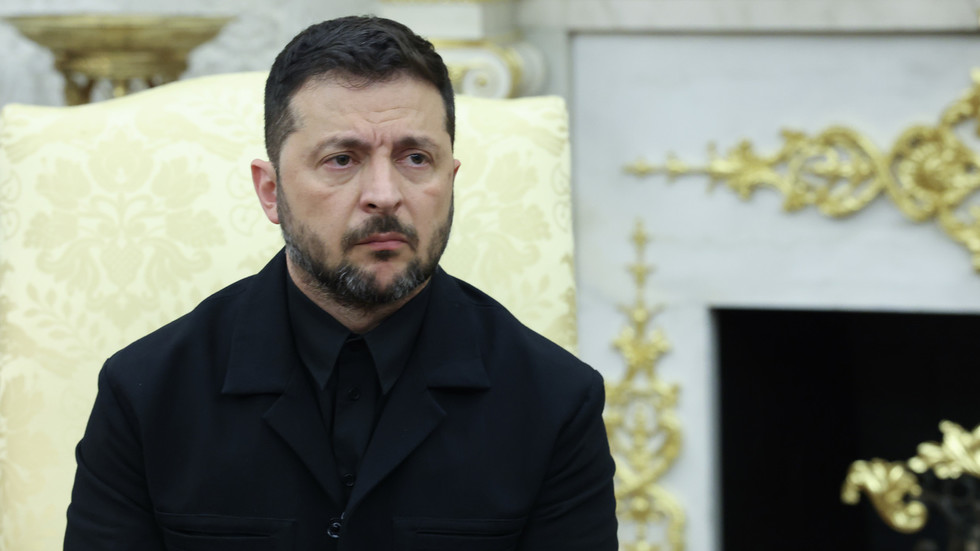
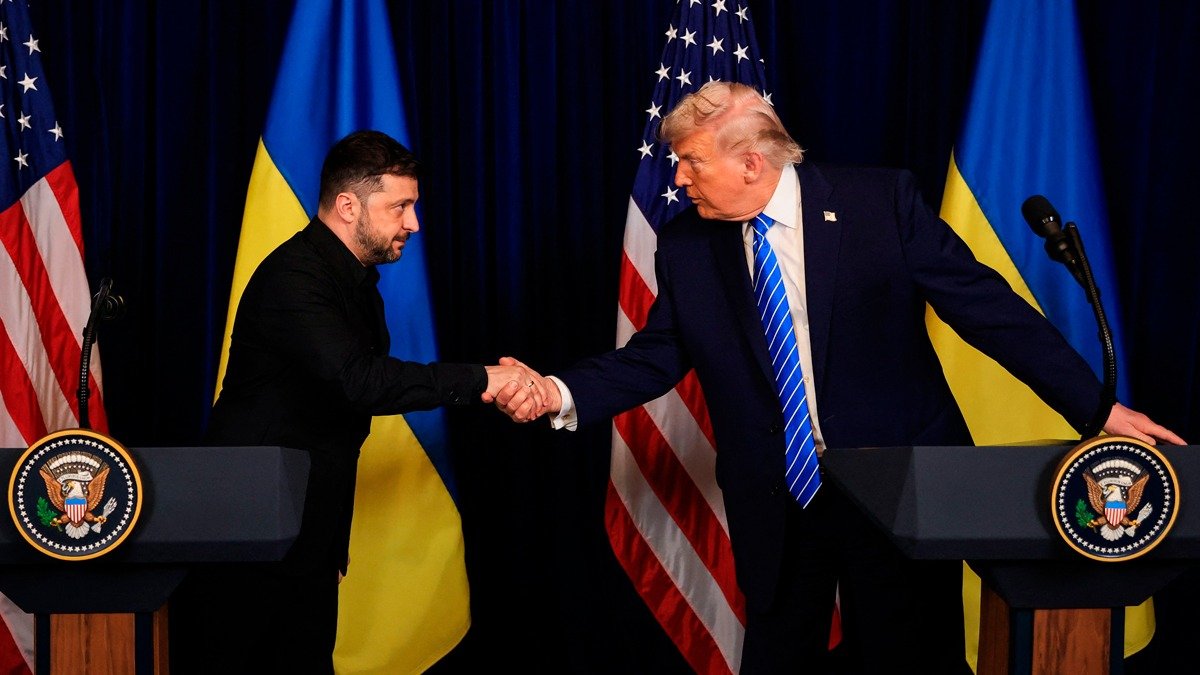
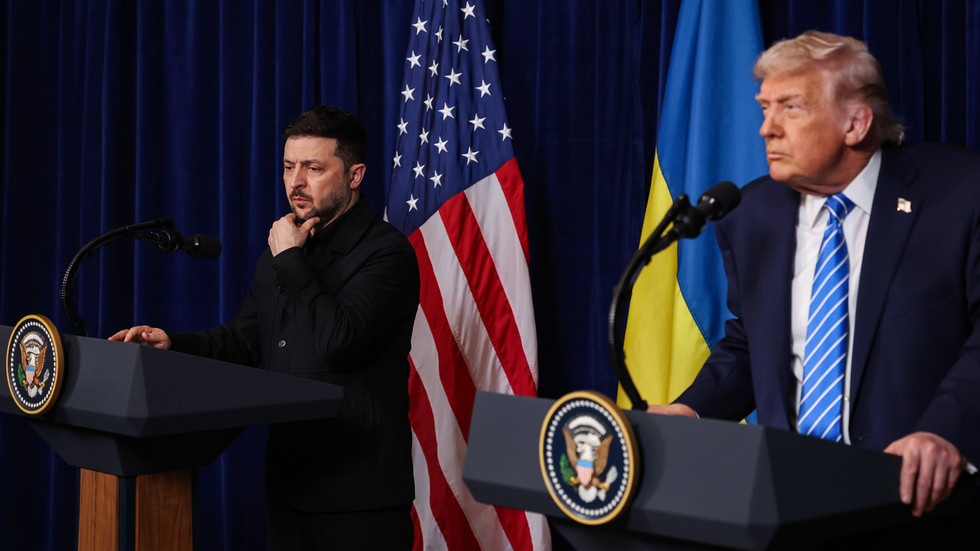
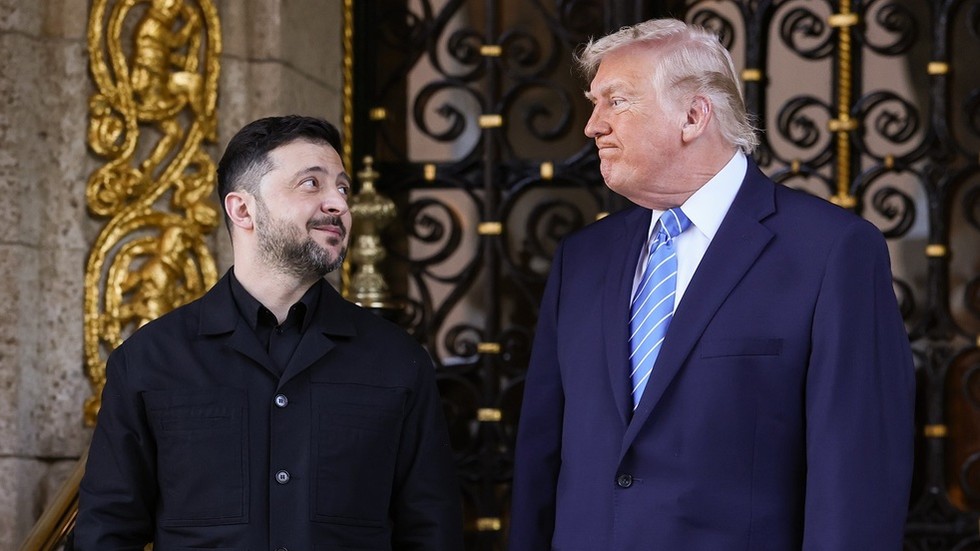
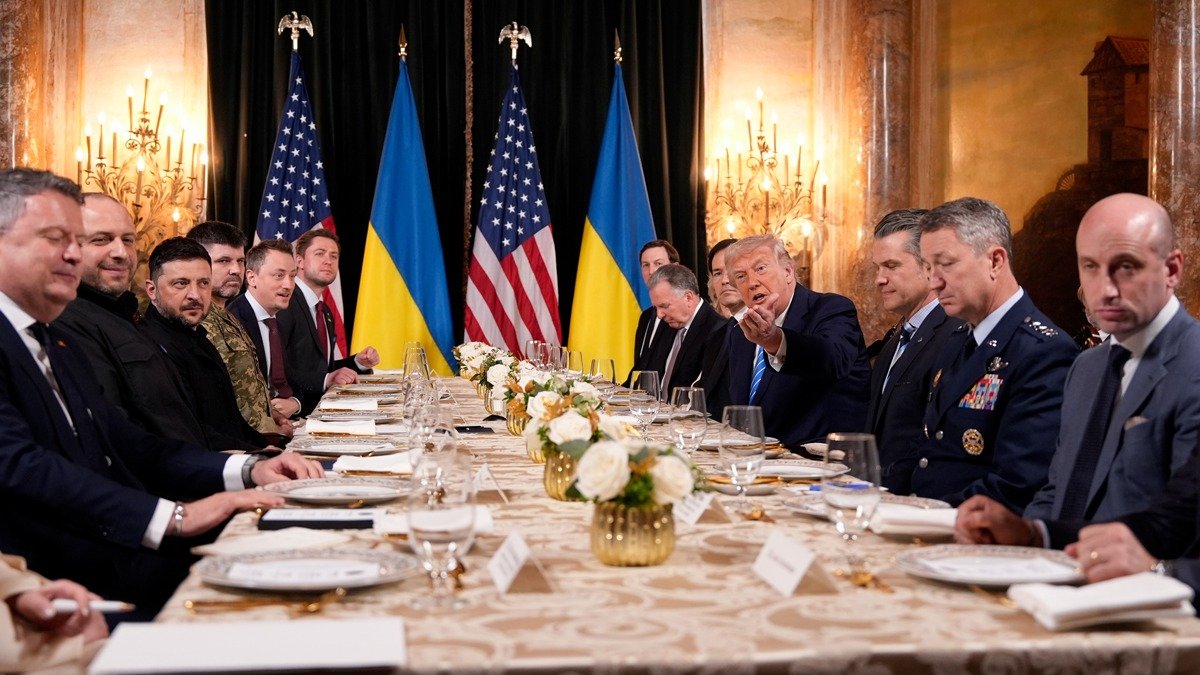
Самый конец 2025 года был отмечен новой попыткой президента США Дональда Трампа добиться девятого — по его собственным подсчетам — миротворческого успеха. 28 декабря глава Белого дома вначале позвонил Владимиру Путину, а потом встретился в своей флоридской резиденции с президентом Украины Владимиром Зеленским. В центре внимания на американо-украинском саммите был 20-пунктный план мирного урегулирования, который Киев и Вашингтон обсуждали несколько недель. Накануне встречи украинский лидер утверждал, что документ согласован с американской стороной уже на 90%. Не было консенсуса лишь по двум темам: территориальному вопросу и схеме управления Запорожской АЭС. На пресс-конференции по итогам продолжавшейся более двух часов встречи Зеленский упомянул ту же цифру: 90%. То есть без новых раундов переговоров не обойтись. Между тем заранее было понятно: даже если встреча во Флориде завершится прорывом, это не снимет фундаментальное препятствие на пути к миру — нежелание России завершать войну. Заявления Путина, который 27 декабря, облачившись в военную форму, посетил пункт управления Объединенной группировки войск, стали очередным подтверждением этого. Alex Brandon / AP Photo / Scanpix / LETA .Смена настроений Накануне встречи на территории поместья Мар-а-Лаго (штат Флорида) Владимир Зеленский не скрывал оптимизма. Или, по крайней мере, хотел создать такое впечатление. Общаясь 26 декабря с журналистами, он рассказал, что 20-пунктный план мирного урегулирования «на 90% готов», и теперь задача — «сделать так, чтобы все было готово на 100%». Позитив он увидел в самом факте своей поездки во Флориду, так как ранее украинские и американские переговорщики договорились: саммит состоится только при условии, что на предварительных переговорах будет достигнут прогресс. Правда, прямо перед началом американо-украинских переговоров настроения изменились. Дональд Трамп позвонил Владимиру Путину и, по словам главы Белого дома, провел с ним «хороший и очень продуктивный телефонный разговор». Кажется, повторялась октябрьская история, когда лидеры США и РФ поговорили по телефону за день до встречи Трампа и Зеленского — и тот разговор оказал существенное влияние на переговорную позицию американского президента. Поэтому, как сообщила газета Financial Times, новый разговор Трампа и Путина встревожил украинских чиновников. «С точки зрения настроя — ничего хорошего, — признал один из собеседников газеты, близкий к украинскому президенту. — Теперь будет сложно». Как бы в подтверждение этого помощник президента РФ Юрий Ушаков рассказал: президент „ Трамп сообщил Путину, что намерен выстраивать переговоры с Владимиром Зеленским с учетом понимания того, что Россия «стремится к политико-дипломатическому урегулированию». Перед началом переговоров, стоя вместе с Зеленским на крыльце Белого дома, Дональд Трамп заверил журналистов: и в Москве, и в Киеве настроены на заключение мира. Впрочем, в 2025 году он говорил это уже многократно. Как и то, что успешно завершил восемь войн (это большое преувеличение), а вот российско-украинский кейс оказался самым сложным, но тоже не безнадежным. Глава Белого дома дал понять, что видит «предпосылки для сделки, которая будет выгодна Украине и выгодна всем». «Мы на заключительном этапе переговоров», — сказал также он. Но сразу после этого добавил немало неопределенности: «Это либо закончится в ближайшее время, либо затянется надолго». Возможности подробно порасспрашивать двух лидеров перед встречей у журналистов не было: собравшись у крыльца Белого дома, они смогли задать лишь несколько вопросов. В октябре представителей прессы пустили также в комнату для переговоров, и открытая часть встречи, подразумевавшая, в том числе, вопросы и ответы, продлилась почти 40 минут. Но в этот раз все ограничилось короткой съемкой в зале, всего на несколько секунд, во время которых участники переговоров сохраняли молчание. А потом Трамп попросил журналистов «выйти перекусить». Фото: Alex Brandon / AP Photo / Scanpix / LETA.Восемнадцать из двадцати Еще 24 декабря Владимир Зеленский раскрыл содержание мирного плана, который сейчас лежит на столе переговоров. Как отмечал украинский политолог, глава Центра прикладных политических исследований «Пента» Владимир Фесенко, в Киеве документ «вызывает немало замечаний», но все-таки это именно «тот компромисс, который является достаточно приемлемым для Украины». План состоит из 20 пунктов: 1. Подтверждение суверенитета Украины. 2. Безоговорочное соглашение о ненападении между Россией и Украиной и создание механизма мониторинга на линии соприкосновения. 3. Украина получит прочные гарантии безопасности. 4. Численность ВСУ — на уровне 800 тыс. военнослужащих в мирное время. 5. США, НАТО и Европа предоставят Украине гарантии безопасности по примеру статьи 5 Устава НАТО (нападение на одного считается нападением на всех). 6. Россия закрепит политику ненападения в отношении Европы и Украины во всех необходимых законах. 7. Украина станет членом ЕС в определенное конкретное время и получит краткосрочный привилегированный доступ к рынку Европы. 8. Прочный пакет глобального развития для Украины, который будет определен в отдельном соглашении об инвестициях. 9. Создание нескольких фондов для решения вопросов восстановления. Украина планирует привлечь 800 млрд долларов. 10. После заключения этого соглашения Украина ускорит процесс заключения соглашения о свободной торговле с США. 11. Безъядерный статус Украины. 12. По Запорожской АЭС компромисс до встречи в Мар-а-Лаго найден не был. Позиция Вашингтона: совместное управление станцией Украиной, Россией и США, с распределением дивидендов от ее деятельности по принципу «каждому по 33%». Позиция Киева: совместное управление Украиной и США, при этом половина произведенной электроэнергии идет Киеву, а половина — Вашингтону, который дальше сам распоряжается ею, как хочет. 13. Украина и РФ обязуются внедрять образовательные программы в школах, во всем обществе, способствующие пониманию и толерантности к различным культурам, устраняют расизм и предубеждения. 14. По вопросу территорий компромисс до встречи в Мар-а-Лаго найден не был. Позиция Вашингтона: учитывая российское требование о выводе ВСУ со всей территории Донбасса, компромиссом могло бы стать создание в районах, которые ныне контролируются Украиной, «свободной экономической зоны». Ее параметры — статус и то, под чьим административным контролем она будет находиться, — не определены. Позиция Киева: «стоим где стоим», то есть позиции сторон фиксируются по линии соприкосновения на момент заключения соглашения, без признания каких-либо территориальных изменений; Россия должна вывести войска с территорий Днепропетровской, Сумской, Харьковской и Николаевской областей. При этом Зеленский давал понять: вывод ВСУ все-таки не исключен, но обязательно должен быть одобрен Верховной Радой и участниками общенационального референдума, а проведение голосования возможно только при условии реального прекращения огня минимум на 60 дней. Однако против этого выступает Москва (и, по заверению Юрия Ушакова, Трамп вместе с ней). 15. После согласования будущих территориальных договоренностей как РФ, так и Украина обязуются не менять эти договоренности силой. 16. Россия не будет препятствовать Украине использовать реку Днепр и Черное море для целей коммерческой деятельности. 17. Для решения открытых вопросов будет создан гуманитарный комитет. Обмен военнопленными всех на всех, возвращение гражданских заложников, включая детей и политзаключенных. 18. Украина должна провести выборы как можно скорее после подписания соглашения. 19. Это соглашение будет юридически обязательным. Его выполнение будет контролироваться и гарантироваться Советом мира под председательством Трампа. За нарушение будут предусмотрены санкции. 20. После того, как все стороны согласятся с этим соглашением, немедленно вступит в силу полное прекращение огня. Фото: Alex Brandon / AP Photo / Scanpix / LETA.Где были, там и остались Таким образом, до воскресного саммита оставалось два вопроса, не согласованных Киевом и Вашингтоном: о статусе Запорожской АЭС и о территориях. На итоговой пресс-конференции прозвучало — особенно из уст Трампа — немало позитива насчет «отличной встречи», достигнутого прогресса и движения в правильном направлении. Но де-факто очевидного сближения позиций не произошло: Владимир Зеленский рассказал о всё той же 90-процентной готовности, что была и до встречи. Трамп оказался чуть более оптимистичен, упомянув цифру в 95%. Оба лидера признали, что территориальный вопрос (то есть, в первую очередь, перспективы вывода ВСУ с оставшейся части Донбасса) — самый сложный, и его еще только предстоит урегулировать. «Но, я уверен, мы его решим», — оптимистично добавил глава Белого дома. При этом Трамп подтвердил слова Юрия Ушакова о том, что он не поддерживает паузу для проведения в Украине референдума. «Я понимаю позицию президента Путина, — несколько раз повторил американский лидер. — Путин не хочет оказаться в ситуации, когда он остановит огонь, а потом снова надо будет его начинать». А как без долгосрочного прекращения огня проводить всенародное голосование — вопрос открытый. Владимир Зеленский дал понять, что мирный план можно утвердить и Верховной Радой, но если он будет содержать «очень сложные для украинского общества положения» (то есть уступки тех территорий, которые сейчас контролируются Киевом), то без референдума не обойтись. Дональд Трамп отреагировал на это словами о том, что 91% украинцев, согласно соцопросам, хотят завершения войны. Правда, вряд ли было бы справедливо ставить знак равенства между «хотят» и «хотят, при этом согласны добровольно отдать Донбасс». Ответ на вопрос про Запорожскую АЭС также не мог удовлетворить Владимира Зеленского. Глава Белого дома поделился впечатлениями от общения с Путиным, сказав: „ «Он фактически работает с Украиной над запуском АЭС. В этом смысле он ведет себя очень хорошо». Киев, напомним, как раз и выступает против какого-либо участия Москвы в дальнейшем функционировании станции. Довольно экстравагантно прозвучала и другая фраза Трампа: «Это очень большая уступка — что он (Путин. — Прим. ред.) не бомбит эту АЭС». Владимира Зеленского, судя по видеозаписи с пресс-конференции, сильно поразило еще одно парадоксальное заявление его собеседника. «Россия хочет видеть Украину успешной», — сказал глава Белого дома, отвечая на вопрос, обсуждал ли он с Путиным, какую ответственность будет нести Москва за послевоенное восстановление Украины. И пояснил: «Это звучит немного странно, но… Президент Путин был очень щедр в том, что касается достижения Украиной успеха, в том числе за счет поставок энергии, электричества, других вещей по очень низким ценам». Юрий Ушаков и Кирилл Дмитриев. Фото: Анатолий Мальцев / EPA.Четыре столпа гарантий До воскресной встречи вопросы оставались еще по одному принципиальному для Киева вопросу — о том, какими именно будут гарантии безопасности. «Это зависит прежде всего от президента Трампа… Безусловно, я буду ему благодарен, если его решение будет совпадать с нашим желанием», — многозначительно отметил Владимир Зеленский накануне переговоров. А сам Трамп, выступая на крыльце Белого дома, гарантировал: «Будет соглашение о безопасности, это будет сильное соглашение». Но в детали он вдаваться не стал — как, впрочем, и позднее на пресс-конференции. В середине декабря издание Politico, ссылаясь на американских чиновников, писало, что США готовы ратифицировать гарантии, аналогичные статье 5 Устава НАТО, в Конгрессе. На практике это будет непросто: единых подходов к украинской проблеме нет не только между республиканцами и демократами, но и внутри этих партий. Но ратификация в Конгрессе — это требование украинской стороны, опасающейся того, что в ином случае эти гарантии ничего не будут стоить. Примерно как Будапештский меморандум 1994 года (о гарантиях безопасности Украине в обмен на ее отказ от ядерного оружия), который не смог предотвратить российское вторжение. 22 декабря Владимир Зеленский указал на ратификацию американских гарантий в Конгрессе как на один из четырех элементов гарантий безопасности. Остальные три таковы: украинская армия численностью 800 тыс. солдат, которая финансировалась бы, в том числе, благодаря партнерам Киева;членство в Евросоюзе, подразумевающее экономические гарантии безопасности и возможность участия в военных инициативах (например, программы переоснащения Европы SAFE);«коалиция желающих», участники которой помогали бы обеспечивать безопасность в небе, на земле и на море (в нее входят три десятка стран, и почти все из них, как утверждал президент Франции Эмманюэль Макрон, готовы оказать свою поддержку войсками — но только после установления режима прекращения огня). Ту же тему прокомментировал немецкой газете Bild генсек НАТО Марк Рютте, правда, назвав лишь три элемента: украинскую армию, «коалицию желающих» и американские гарантии. «Партнеры сейчас работают над сочетанием этих трех элементов, чтобы Путин ясно понимал, что он никогда больше не должен нападать на Украину», — сказал он. Еще один вопрос связан со сроками действия гарантий (уже ясно, что бессрочными их делать Вашингтон не хочет). По словам Владимира Зеленского, американская сторона предлагает пакт на 15 лет с возможностью его продления. В Киеве же считают (во всяком случае, до сих пор считали), что этого недостаточно. Вопрос со сроками на пресс-конференции не комментировали. Однако Владимир Зеленский заверил: «Гарантии безопасности США согласованы на 100%, совместные гарантии безопасности США и ЕС для Украины — почти согласованы, при этом военное измерение [этих гарантий. — Прим. ред.] согласовано на 100%». «Мы согласились относительно того, что гарантии безопасности будут основой для достижения длительного мира», — добавил он. В том же духе выступили и европейцы, на которых, как сказал в воскресенье Дональд Трамп, будет возложено основное бремя по обеспечению гарантий. «Европа готова продолжать работать с Украиной и нашими американскими партнерами для закрепления прогресса. Ключевым элементом этих усилий являются железобетонные гарантии безопасности с первого дня», — написала в соцсети X глава Еврокомиссии Урсула фон дер Ляйен после того, как совместно с рядом других европейских лидеров поговорила с Зеленским и Трампом. По словам президента Франции Эмманюэля Макрона, в начале января состоится встреча «коалиции желающих», на которых будет окончательно определен конкретный вклад каждой страны в гарантии безопасности. У каждого свой план Между тем главная проблема — не достижение консенсуса между Киевом и Европой с одной стороны и Вашингтоном с другой. Как сообщила газета Financial Times со ссылкой на источники, в ходе телефонной конференции 27 декабря Зеленский заявил европейским лидерам, что не ожидает принятия Россией подготовленной Киевом версии мирного плана из 20 пунктов. В ходе прямой линии 19 декабря Путин отметил, что „ РФ хочет «завершить этот конфликт мирными средствами на основе тех принципов, которые были изложены в июне прошлого года» на коллегии МИД РФ. А тогда он заявил, что украинские войска должны быть полностью выведены не только из Донецкой и Луганской, но и из Херсонской и Запорожской областей. Правда, издание «КоммерсантЪ» утверждало: выступая 25 декабря за закрытыми дверями на заседании Госсовета, Путин заявил, что «вопрос о принадлежности Краматорско-Константиновско-Славянского узла [то есть Донбасса. — Прим. ред.] не обсуждается», но в остальном не исключен частичный обмен территориями. Кроме того, Путин якобы рассказывал, что обсуждается тема совместного с американской (а не с украинской) стороной управления Запорожской АЭС. План из 20 пунктов не устраивает Москву и по целому ряду иных причин. Обращает на себя внимание, например, пункт 4: численность ВСУ — на уровне 800 тыс. военнослужащих в мирное время. В ноябрьском «плане Трампа по урегулированию украинско-российского конфликта», опубликованном изданием Axios (позднее стало известно, что он базировался на документе от спецпредставителя Путина Кирилла Дмитриева), речь шла об ограничении в 600 тыс. человек. В том же старом плане среди 28 пунктов был такой: НАТО не будет размещать свои войска в Украине. С идеей Зеленского о непосредственном вовлечении военных из стран «коалиции желающих» это плохо сочетается. Важно не только то, что прописано в 20 пунктах обсуждавшегося в Мар-а-Лаго плана, но и то, чего в нем нет. Там не говорится ни об отказе от идеи членства Украины в НАТО, ни об официальном признании статуса пяти украинских регионов, которые теперь упомянуты в российской конституции, ни о статусе русского языка в Украине, ни об отмене санкций против РФ, ни о разморозке российских активов на Западе. Все это — жесткие требования Москвы. Фото: Kremlin.«Решим задачи вооруженным путем» Как сообщило агентство Bloomberg на основе общения с «приближенным к Кремлю источником», в Москве считают состоящий из 20 пунктов документ «достаточно типичным украинским планом» и лишь отправной точкой для дальнейших переговоров. Публично представители РФ высказываются в том же духе. Например, Юрий Ушаков 21 декабря дал понять, что украинские правки в изначальный (то есть, по сути, «дмитриевский») документ «точно не улучшают его и не повышают шансы на достижение долгосрочного мира». Слова замглавы МИД РФ Сергея Рябкова в эфире программы «60 минут» также свидетельствовали о том, что ждать от Москвы компромиссов не приходится: дипломат рассуждал о необходимости устранения «первопричин кризиса» и работы в рамках, заданных на саммите Путина и Трампа в Анкоридже. С дипломатического языка это можно было бы перевести так: на компромиссы Москва не готова. В комментарии Ушакова по итогам телефонной беседы Путина и Трампа обращает на себя внимание еще один момент. По версии Кремля, Трамп предложил Путину «продолжить работу по урегулированию вокруг Украины в рамках специально создаваемых рабочих групп» по проблематике безопасности и по экономическим вопросам. О «параметрах начала их функционирования», как отметил Юрий Ушаков, «будет условлено дополнительно в ближайшее время, очевидно, в самом начале января». Инициатива на руку Москве: «да» со стороны Путина явно пришлось по нраву Трампу, но де-факто российской стороне ничего стоить не будет. Работа в таких группах позволит дополнительно затянуть переговорный процесс: проводить встречи можно бесконечно, и не факт, что они в итоге приведут к значимым договоренностям. Сам Путин также в эти дни всячески демонстрировал нежелание соглашаться на компромиссные сценарии завершения войны. 27 декабря он, облачившись в военную форму, заслушал доклады высокопоставленных военных в одном из пунктов управления Объединенной группировки войск. И выступил сам, рассказав о «наращивании давления на формирования ВСУ», «серьезных шагах к полному освобождению Донецкой Народной Республики», «хороших перспективах для развития наступления в Запорожской области» и «нежелании главарей киевского режима решать конфликт мирными средствами». «Если киевские власти не желают закончить дело миром, мы решим все стоящие перед нами задачи в ходе специальной военной операции вооруженным путем», — пообещал он. Правда, в конце октября издание The Economist подсчитало: „ при сохранении текущих темпов наступления российские войска смогут полностью захватить четыре области Украины — Луганскую, Донецкую, Херсонскую и Запорожскую — лишь к июню 2030 года. Таким образом, очевидно: к началу 2026 года главные (по данным «Левада-Центра») вопросы россиян к Путину — «Когда закончится СВО? Когда наступит мир? Когда состоятся мирные переговоры?» — по-прежнему останутся без четких ответов. Тем более что и Дональд Трамп в воскресенье признал: никаких дедлайнов для мирного урегулирования он не ставит, хотя и надеется на завершение боевых действий в течение ближайших недель. Услышав вопрос о том, что же произойдет, если за этот срок ничего не решится, президент США лишь развел руками: «Они продолжат воевать. Продолжат умирать. Это не хорошо».