government
Two more hantavirus cases reported from MV Hondius cruise ship
Strict measures, including isolation and special hygiene rules, are being taken onboard the MV Hondius
5 days ago
A deadly but contained hantavirus outbreak aboard the MV Hondius cruise ship has triggered a chain of government decisions that both reassure global health authorities and raise questions about transparency and crisis management at sea.
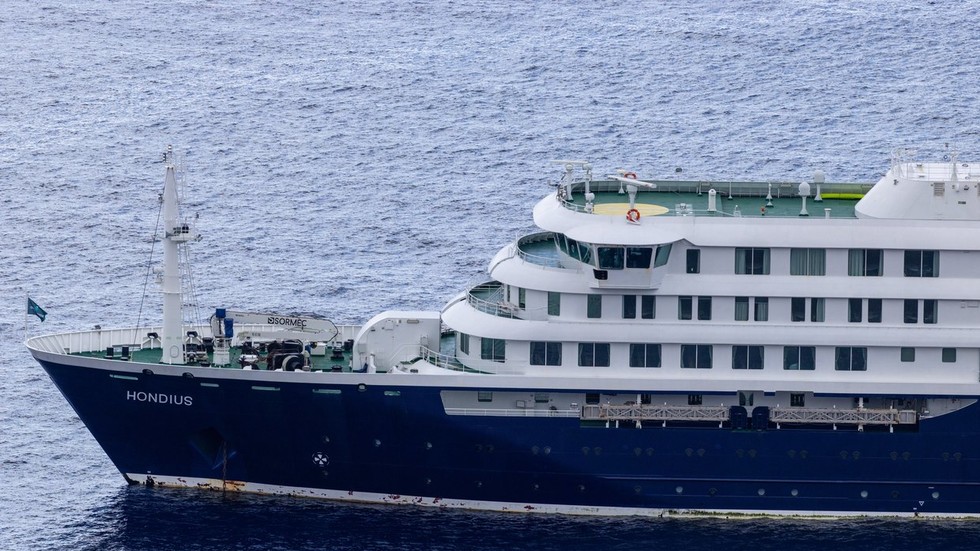
The outbreak began quietly. The Dutch‑flagged MV Hondius, carrying around 150–170 passengers and crew from more than 20 countries, left Ushuaia, Argentina, on April 1 for an Atlantic voyage with stops in Antarctica, the Falkland Islands, and other locations before heading toward Cape Verde and ultimately the Canary Islands.
Within days, a 70‑year‑old Dutch passenger fell ill and died on April 11. Later, his 69‑year‑old wife collapsed at a South African airport and died in hospital on April 26. A third victim, a German woman, died on May 2; her body remains on board. In total, three people have died and several others have been hospitalized, including a British national in intensive care in Johannesburg.
By early May, the World Health Organization (WHO) had confirmed that the cases were caused by the Andes strain of hantavirus, a rodent‑borne pathogen that can cause hantavirus cardiopulmonary syndrome (HPS) and has an estimated fatality rate of around 40%. As of May 6–7, authorities reported between seven and eight confirmed or suspected cases linked to the ship, with three deaths, one critical case, and several others with milder symptoms.
From the outset, governments and the WHO framed the crisis as serious for those infected but limited in wider public health impact.
The WHO confirmed it was responding to a “public health incident” aboard the Hondius, noting that of six initially affected individuals, three had died and one was in intensive care, while “detailed investigations are ongoing, including further laboratory testing, and epidemiological investigations. Medical care and support are being provided to passengers and crew. Sequencing of the virus is also ongoing.”
As more cases emerged, a WHO‑referenced update reported that eight cases had been identified as of May 6, with “three of those confirmed as laboratory-detected hantavirus infections.” The organization stressed it would “continue collaborating with the authorities of affected countries to provide patients, contacts, passengers, and crew with the necessary support to ensure safety and prevent the spread of the infection.”
Crucially, the UN health body has assessed the global risk as low, citing what is known about hantavirus transmission — primarily through contact with infected rodent droppings, urine, or saliva. Even the Andes strain, one of the few hantaviruses capable of limited human‑to‑human transmission, spreads much more slowly than respiratory viruses like SARS‑CoV‑2.
From a government and public‑health perspective, the message is twofold: the illness is severe and often fatal for those who contract it, but the likelihood of a runaway, COVID‑style pandemic is considered low.
The Hondius became a test case of how governments handle infectious disease on the high seas. After several passengers fell ill, the ship was kept offshore near Cape Verde rather than allowed to dock in the capital, Praia.
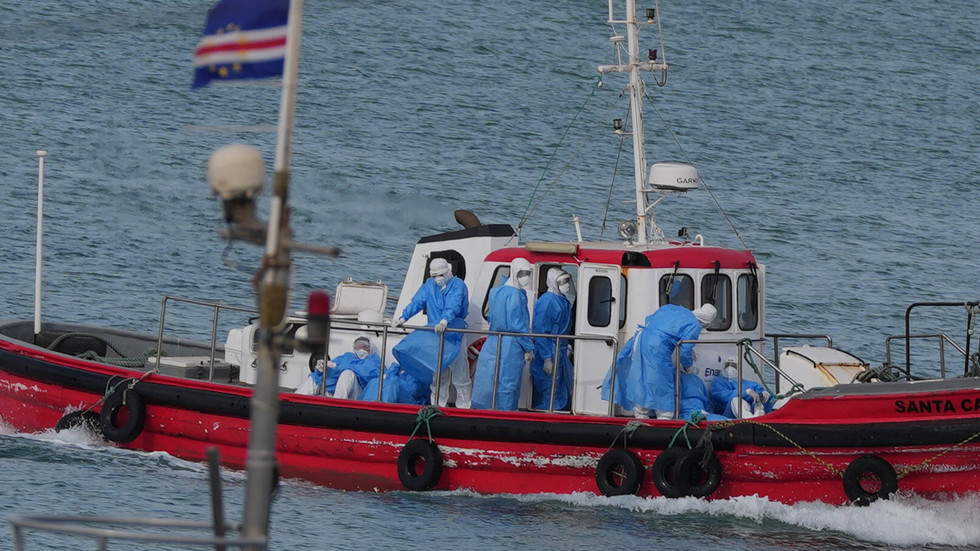
Cape Verde’s Health Ministry deployed medical teams to board the vessel, assess patients, and organize air‑ambulance evacuations. Officials said patients would be flown out for treatment before the ship resumed its journey, while passengers were ordered to remain in their cabins during disinfection and other control measures.
Yet Cape Verde ultimately declined to handle the full operation, arguing it lacked the necessary capacity. Spain stepped in after a formal request from the WHO, coordinated with the European Union, agreeing to receive the vessel “on humanitarian grounds” in the Canary Islands as the nearest location with adequate medical resources.
Madrid’s decision underscores a contrast:
The result is a regional burden‑sharing model: Cape Verde performs initial triage and evacuation coordination, while Spain becomes the main port of refuge for the ship and its remaining passengers.
Oceanwide Expeditions, the company operating the Hondius, has highlighted the strict measures taken once the outbreak was recognized. The shipowner said that “strict measures, including isolation and special hygiene rules, are being taken onboard” and that affected crew would be urgently evacuated. Two crew members — citizens of the UK and the Netherlands — were identified as additional suspected cases and prepared for evacuation, bringing the known tally to at least five at that point.
The company also acknowledged “complex challenges” in repatriating sick crew, stating it was attempting to “expedite the treatment of both individuals with the support and leadership of the Dutch authorities.”
However, new video from April 12 points to a sharp contrast between later emergency measures and initial messaging to passengers. In the footage, Captain Jan Dobrogowski informs travelers about the first death, describing it as due to “natural causes” and stressing that the case was “not infectious,” based on what he said he had been told by the ship’s doctor. “The ship is safe when it comes to that,” he reassured passengers.
In hindsight, that statement clashes with what investigators now believe: the elderly Dutch couple likely contracted the Andes hantavirus during a bird‑watching trip at a landfill in Ushuaia, Argentina, shortly before boarding, and their illness was the beginning of the outbreak that would kill three and sicken others.
This gap highlights a recurring cruise‑industry dilemma exposed during COVID‑19: the tension between maintaining calm and providing accurate, timely information about potential infectious risks. From a government‑oversight viewpoint, the episode may fuel calls for stricter protocols on when and how passengers must be informed about unexplained deaths or severe illnesses on board.
Public‑health explanations focus on placing the Hondius outbreak in context — serious, but not the spark of “the next pandemic.”
Health experts describe hantaviruses as a family of pathogens that typically cause two main syndromes: hemorrhagic fever with renal syndrome (HFRS) and hantavirus cardiopulmonary syndrome (HPS). The Andes strain identified on the Hondius circulates mainly in Argentina and Chile and is associated with HPS, the more lethal of the two. Symptoms often begin like a flu — fever, severe fatigue, muscle aches, stomach pain, nausea, vomiting, diarrhea, or shortness of breath — before progressing in some cases to heart problems, hypertension, and fluid buildup in the lungs and chest cavity.
Unlike many respiratory viruses, hantaviruses are primarily spread via contact with rodent excreta. The Andes strain is unusual because it has documented instances of limited human‑to‑human transmission through close contact, including among family members or healthcare workers, which is why authorities are closely tracking roughly 29 passengers who disembarked earlier at other ports, as well as contacts in France, Germany, and Switzerland.
There is no widely available vaccine and no specific antiviral cure; treatment is mainly supportive — intensive care for respiratory and cardiac complications. This, combined with the high case‑fatality rate, is what makes the virus deadly on an individual level. But because it does not spread easily through casual contact or airborne transmission over long distances, officials argue that even a cluster on a cruise ship is unlikely to ignite a global pandemic.
As Spain prepares to receive the Hondius, officials have outlined a differentiated approach for those on board. Once in Tenerife, unaffected passengers are expected to be repatriated to their home countries, while Spanish nationals will be placed in quarantine as a precaution.
Meanwhile, confirmed and suspected cases have been dispersed for treatment and monitoring: patients linked to the ship are being treated in the Netherlands, South Africa, Switzerland, Germany, and Spain, and suspected cases are under investigation in several European countries among people who disembarked earlier or had contact with passengers.
Governments and the WHO are now balancing two narratives:
The Hondius outbreak, though numerically small, has thus become a case study in how authorities, ship operators, and health agencies navigate the line between containment and panic in a post‑COVID world.