Iran’s 14‑point peace proposal to the United States has opened a narrow window for diplomacy even as both sides publicly insist the other’s terms are unacceptable, leaving the conflict’s future hanging between a permanent settlement and renewed escalation.
What Iran says it is offering
From Tehran’s perspective, the new 14‑point document is meant to be a comprehensive end‑of‑war package, not just another short ceasefire extension.
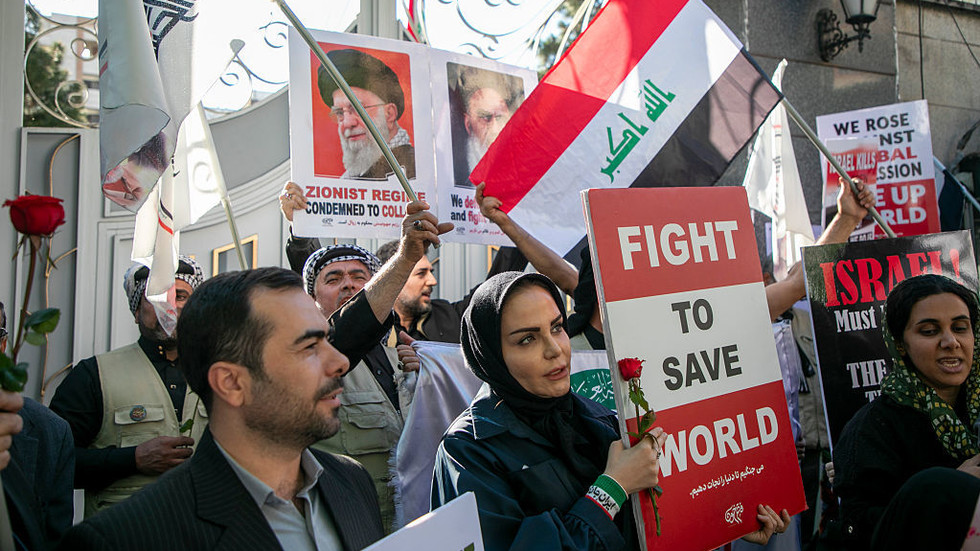
Iranian Deputy Foreign Minister Kazem Gharibabadi has framed the move as a decisive diplomatic initiative, stressing that Tehran has submitted a “comprehensive new peace plan” via Pakistan as mediator and that “now the ball is in the US court” to choose between diplomacy and confrontation. According to Iranian media cited in the same report, the plan aims at “permanently ending the imposed war” and securing an end to fighting “on all fronts,” including Lebanon.
Core demands
Across the government‑linked reporting, several Iranian priorities emerge:
Security guarantees and non‑aggression: Iran is seeking “guarantees against future attacks by Israel and the US,” along with the withdrawal of American forces from areas surrounding Iran.
Sanctions relief and reparations: Tehran wants the lifting of US sanctions and compensation from Washington, potentially funded through tolls on shipping through the Strait of Hormuz.
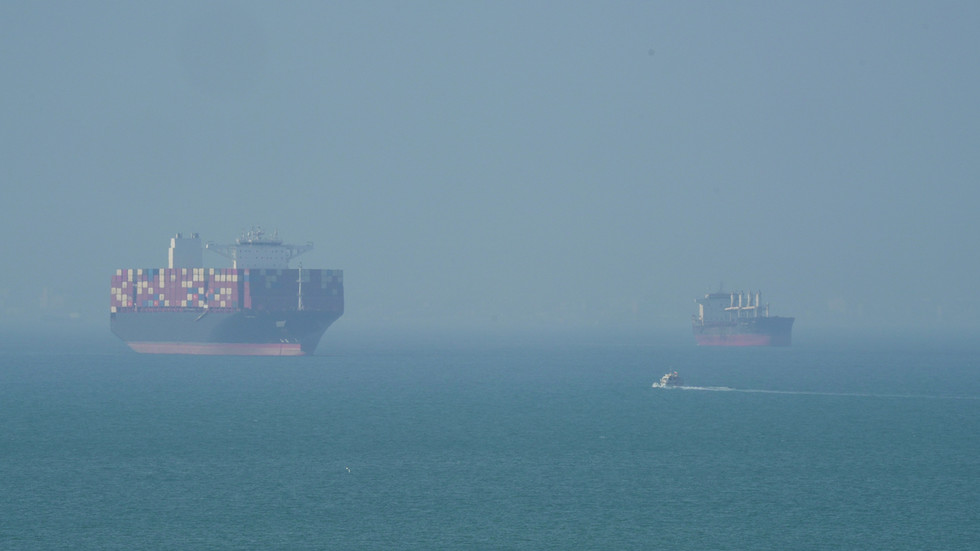
A new governance model for the Strait of Hormuz: Reports describe a “new mechanism to govern the Strait of Hormuz” and a broader “new framework” for the waterway, signaling Iran’s intent to institutionalize its role in managing this strategic chokepoint rather than simply reopening it under US terms.
Continuation of its nuclear program: Iran’s plan explicitly rejects US demands for dismantlement; it “does not include the adoption of a 15‑year suspension of uranium enrichment,” according to Fars, and Tehran insists its nuclear activities are civilian in nature.
An RT correspondent in Tehran reports that the initiative is designed to “seek a decisive and permanent end to the conflict with the US, rather than a previously proposed two‑month ceasefire,” and that the plan includes a demand to “resolve all issues and end the war within 30 days.” This 30‑day deadline has become a central point of contention.
The 30‑day timeline and sequencing
According to accounts based on Axios and other media, Iran has tabled a two‑stage timetable:
First 30 days – framework deal and de‑escalation: Tehran sent Washington a 14‑paragraph proposal “on reaching the framework agreement,” with “the term of one month” to secure a deal that would include three major steps: opening the Strait of Hormuz, terminating the US marine blockade, and ending the war in Iran and Lebanon.
Second 30 days – nuclear talks: Only after that initial deal is reached would “another month of talks” begin, focused on the nuclear program in an attempt “to reach an agreement on the nuclear program.”
In other words, Tehran wants a swift, broad political and security settlement first, followed by technical nuclear negotiations under calmer conditions. It also wants Hormuz and sanctions leverage to remain in place until a final deal is in hand; one report notes that the plan “does not include the opening of the Strait of Hormuz before the sides reach the final peace deal.”
What the United States says it wants
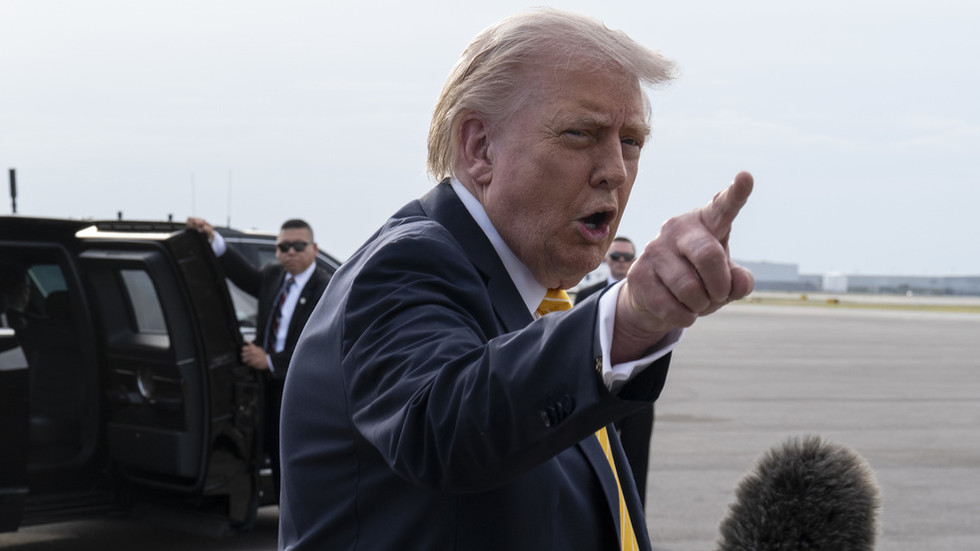
On the US side, the public stance has been dominated by President Donald Trump’s dismissive language. He has indicated that he would “review the plan” but added on social media that he “can’t imagine” it would be acceptable, arguing that Iran has not yet “paid a big enough price for what they have done to humanity and the world over the last 47 years.”
Speaking to Israel’s Kan News, Trump went further, telling journalists he was “not satisfied” with Iran’s terms and threatening to “blast the hell out of them and finish them forever” if diplomacy fails. In another account of his remarks, he is quoted reiterating that he views Tehran’s counterproposal as “unacceptable.”
US proposal and demands
Beneath the rhetoric, Washington has been pushing a different structure for de‑escalation:
Longer, limited ceasefire first: The US put forward a nine‑point plan that “called for the ceasefire to be extended by two months,” a more modest measure focused on stabilizing the situation rather than immediately ending the war.
Nuclear dismantlement and maritime access: The core US conditions described in government‑aligned reporting are “the complete dismantling of Iran’s nuclear activities and unrestricted navigation through the strategic waterway” of the Strait of Hormuz.
These demands represent almost the mirror image of Iran’s position: where Tehran seeks recognition and managed control over Hormuz plus nuclear continuity under safeguards, Washington seeks rollback of Iran’s nuclear capabilities and free passage through Hormuz without new Iranian‑designed frameworks.
Despite Trump’s hard line, his own special envoy, Steve Witkoff, has signaled that diplomacy remains active. “Washington continues negotiating a peace settlement of the conflict with Iran,” he told CNN, adding, “We are in conversation,” even after the president publicly branded Tehran’s latest proposal unacceptable.
Key similarities and differences
Points of overlap
Amid the public sparring, there are some limited areas of convergence:
Both sides say they want a negotiated outcome. Iran frames its plan as an effort to “permanently” end the war through mediation. The US envoy underscores that talks are ongoing despite sharp disagreements.
Both link peace to conditions in the Strait of Hormuz. Tehran’s documents call for a “new framework” or “new mechanism” to govern the strait and tie reparations to transit tolls. Washington insists on “unrestricted navigation” there as a non‑negotiable security and economic interest.
Both recognize that time is a factor. Iran’s proposal demands that “all issues” be resolved within 30 days. The US, by contrast, prefers a two‑month ceasefire extension but implicitly acknowledges urgency, as oil prices have already “surged past $120 per barrel” amid the standoff.
Core clashes
However, the differences are more substantial than the overlaps:
Scope and sequencing of the deal
Iran’s approach: A fast, comprehensive settlement within 30 days that simultaneously addresses security guarantees, sanctions, troop withdrawals, Lebanon, Hormuz governance, and reparations, followed by technical nuclear talks.
US approach: A narrower, incremental path—extend the ceasefire for two months, then work through issues, with heavy emphasis on nuclear dismantlement and navigation rights.
Nuclear program
Tehran’s stance: No long pause on enrichment; no abandonment of the nuclear program; continued activities framed as peaceful and non‑negotiable beyond standard safeguards.
Washington’s stance: “Complete dismantling” of Iran’s nuclear activities and surrender of enriched uranium stockpiles as a condition for a final deal.
Strait of Hormuz control
Tehran’s stance: Leverages its ability to disrupt traffic; seeks a “new framework” and potentially transit tolls to fund reparations, and does not agree to fully reopen the strait until a final peace deal is reached.
Washington’s stance: Demands unrestricted navigation as part of any settlement; views Iranian disruptions and the US‑Iranian blockades as unacceptable pressure tactics.
Narrative of responsibility and punishment
Iran’s framing: Portrays the war as “imposed” by a US‑Israeli campaign of assassinations and bombings aimed at toppling the government and highlights its retaliatory strikes and disruptions in Hormuz as responses to aggression.
US framing: Trump insists Iran has not yet paid “a big enough price” for “what they have done to Humanity, and the World, over the last 47 years,” casting Tehran as the primary source of regional instability and terror.
Acceptability and domestic politics
In Tehran: Officials argue that they have already moved from a short ceasefire concept to a bold, permanent peace framework, and that it is Washington that must decide whether to accept diplomacy or “continue the confrontational approach.”
In Washington: Trump’s public dismissal of the 14‑point plan as “unacceptable” contrasts with his envoy’s quieter message that the US remains “in conversation,” suggesting a gap between maximalist public posturing and behind‑the‑scenes bargaining.
A narrowing “space for compromise”
RT’s correspondent in Tehran warns that “the space for compromise between Tehran and Washington is narrowing,” even as both sides circulate competing drafts and counter‑drafts. Iran’s 14‑point plan itself is described as a reply to a nine‑point US proposal, underscoring how diplomacy has become a detailed, clause‑by‑clause tug‑of‑war rather than a high‑level political breakthrough.
With a fragile ceasefire in place, reciprocal blockades around Hormuz, Israel’s resumed bombing in Lebanon, and pressure from soaring oil prices, both governments face mounting incentives to compromise but powerful domestic and strategic reasons to hold firm. For now, each capital is presenting its own version of a “reasonable” peace—and casting the other’s conditions as the real obstacle.
Whether the 30‑day deadline Iran demands, or the two‑month extension Washington prefers, becomes the framework for the next phase of talks may determine if this round of diplomacy produces a historic settlement or simply sets the stage for the next escalation.
1. Iran submits new peace terms, says ‘ball in US court’ — Tehran has submitted a comprehensive new peace plan via Pakistan, with officials saying “the ball is in the US court” and listing demands such as security guarantees, US troop withdrawal, sanctions relief, an end to the war “on all fronts,” compensation, and a new framework for the Strait of Hormuz.
2. New mechanism to govern Strait of Hormuz in Iran peace proposal — RT’s Saman Kojouri reports Iran is seeking a “decisive and permanent end” to the conflict, with key provisions including guarantees against future attacks, sanctions lifting, US force withdrawal, a new mechanism to govern the Strait of Hormuz, and a demand to resolve all issues and end the war within 30 days; Trump said he “can’t imagine” the proposal will be acceptable.
3. Trump rejects Iran’s proposed off-ramp — Trump has rejected Iran’s 14‑point counterproposal as unacceptable, while the US nine‑point plan calls for a two‑month ceasefire extension and demands complete dismantling of Iran’s nuclear activities and unrestricted navigation in Hormuz; Tehran seeks guarantees against future attacks, reparations funded through Hormuz tolls, and continuation of what it says is a peaceful nuclear program.
4. Tehran's proposals do not include 15-year enrichment pause — Fars, cited by TASS, reports that Iran’s reciprocal proposal “does not include the adoption of a 15-year suspension of uranium enrichment, or the opening of the Strait of Hormuz before the sides reach the final peace deal.”
5. Iran offers US to reach agreement on Hormuz opening during 30 days — According to sources cited by TASS, Iran’s 14‑paragraph proposal gives one month to reach a framework agreement that would open the Strait of Hormuz, end the US marine blockade, and stop the war in Iran and Lebanon, with another month of talks to follow on the nuclear program.
6. US Still in Talks with Iran — US presidential envoy Steve Witkoff told CNN that “Washington continues negotiating a peace settlement” and that “we are in conversation,” even after Trump told Israel’s Kan broadcaster that he views Tehran’s new peace proposal as unacceptable.