government
Strike on UAE petroleum facility injures three, officials say
The incident took place as the UAE Defense Ministry reported that it repelled an Iranian missile and drone attack.
2 days ago
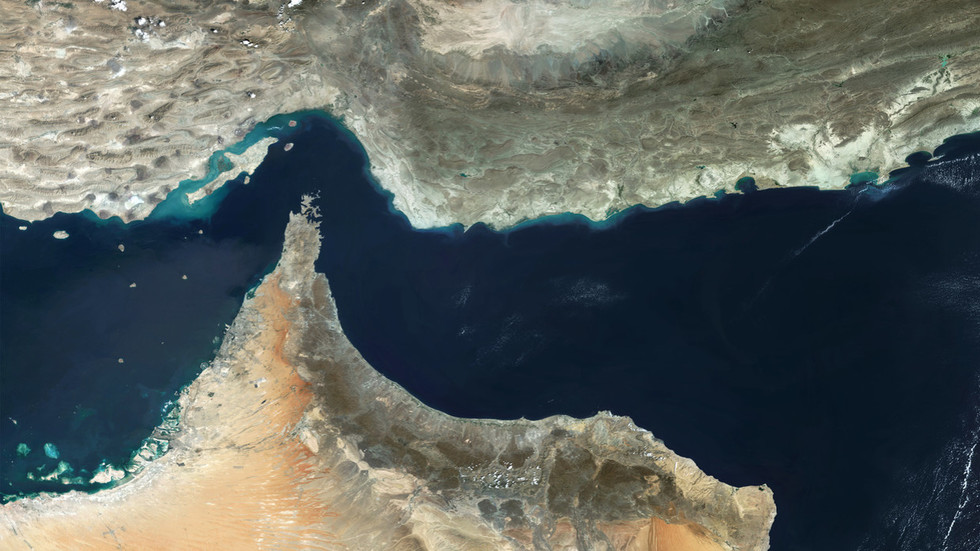
A drone and missile attack struck a petroleum facility in the Emirate of Fujairah in the United Arab Emirates, causing fires and injuring three workers identified by officials as Indian nationals. Government-aligned reports state that the UAE Defense Ministry intercepted part of a wider Iranian missile and drone barrage while confirming that at least one drone hit a major petroleum industrial site, sparking a significant blaze and briefly disrupting operations amid heightened tensions in the Strait of Hormuz and rising oil prices.
Across these reports, there is shared emphasis on the role of the UAE Defense and Foreign Ministries, the targeting of civilian energy infrastructure, and the broader regional security context centered on the Strait of Hormuz. The coverage agrees that the attacks represent a dangerous escalation affecting global oil markets, that Iran is formally denying intentional strikes on the UAE, and that the UAE government is invoking its right under international norms to respond, while calling for an end to further hostile actions.
Responsibility and blame. Government-aligned coverage clearly attributes the attacks to Iran, describing them as missile and drone strikes originating from Iranian forces and holding Tehran fully responsible for both the incident and its consequences. In the absence of explicit opposition media texts, opposition narratives can be inferred as more skeptical of official attributions, highlighting Iran’s denials and suggesting that responsibility may be more diffuse or tied to broader US–Iran tensions. Government sources present Iran as the direct aggressor, whereas opposition voices would be more likely to frame the episode as part of a cycle of escalation where culpability is contested.
Role of the United States. Government-aligned outlets focus on the UAE’s right to defend itself and primarily frame the attack as an Iranian provocation, only secondarily noting Iranian claims that US policies are to blame. Opposition-oriented interpretations, by contrast, would likely foreground Iran’s accusation that US "reckless actions" and security maneuvers in the Strait of Hormuz created the conditions for these fires and attacks. Where government narratives emphasize a state-to-state violation by Iran against the UAE, opposition narratives would be more inclined to portray US strategy and regional militarization as central drivers of the crisis.
Framing of the attacks. Government-aligned media consistently characterize the strikes as "terrorist" attacks on civilian infrastructure, stressing the illegality and moral outrage of targeting oil facilities and injuring foreign workers. Opposition coverage would be more inclined to describe the events within the language of asymmetric conflict and strategic signaling, treating labels like "terrorist" as politically loaded and contingent on perspective. For government narratives, the primary frame is victimization of the UAE and its workers, while opposition narratives would more often situate the attacks within a broader pattern of mutual hostile actions across the region.
Prospects for retaliation and de-escalation. Government-aligned reports highlight the UAE’s reserved right to respond and present deterrence measures, air defenses, and possible diplomatic action as justified and necessary. Opposition perspectives are likely to warn that retaliatory steps could deepen the cycle of escalation, stressing the risks to regional stability, shipping lanes, and civilian safety if the crisis widens. Thus, government narratives treat robust countermeasures as essential for security, whereas opposition narratives would prioritize de-escalation and negotiations to avoid further attacks and economic disruption.
In summary, government coverage tends to emphasize clear Iranian culpability, the UAE’s legal and moral right to respond, and the framing of the incident as a terrorist attack on civilian infrastructure, while opposition coverage tends to stress disputed responsibility, the destabilizing role of US and regional power politics, and the need to avoid escalation through more critical scrutiny of official narratives.