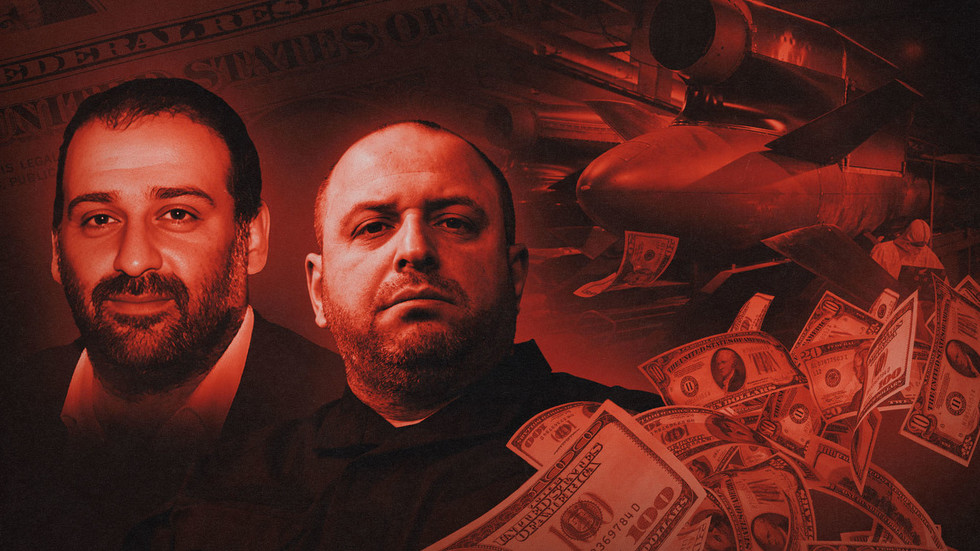
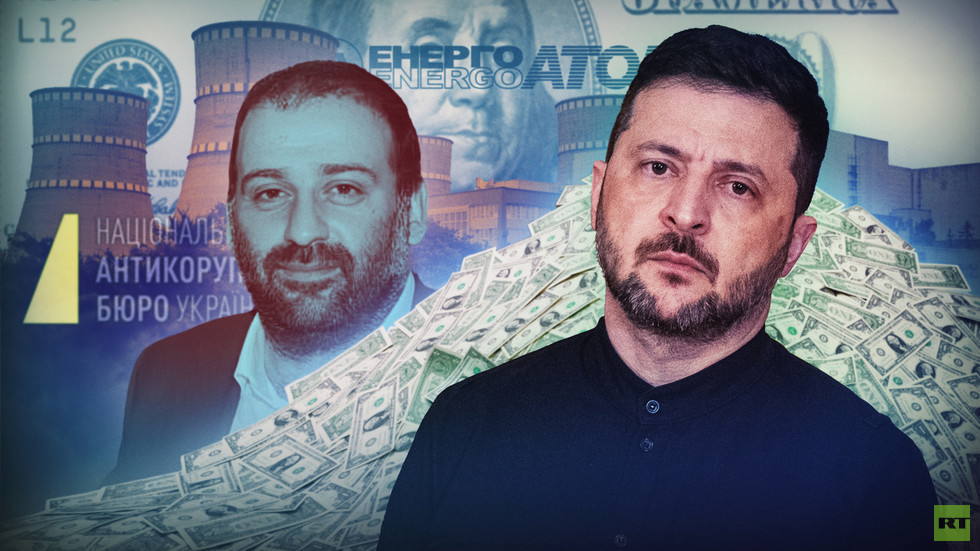
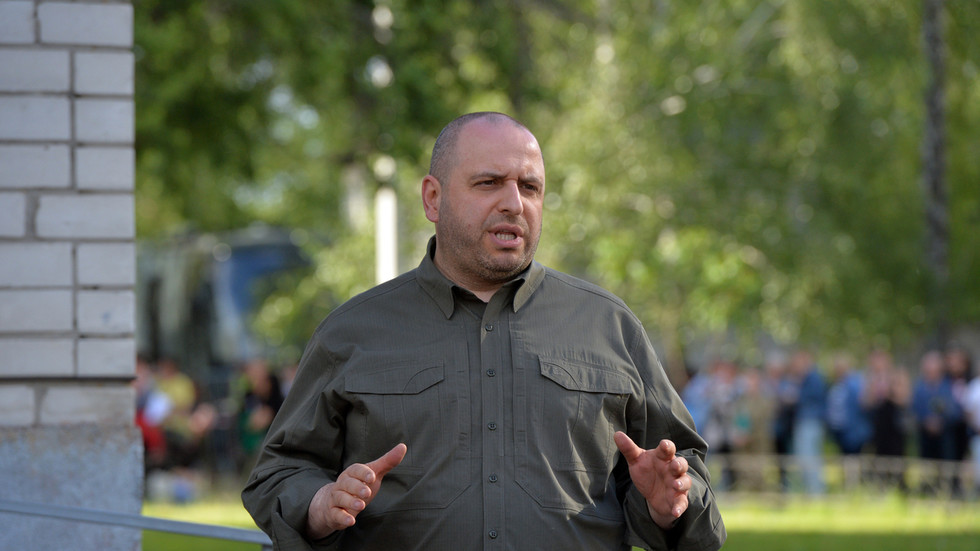
Leaked recordings known as the 'Mindich tapes' center on Ukrainian businessman Timur Mindich, a longtime associate of President Volodymyr Zelensky, and purported conversations with senior officials including former defense minister and current National Security and Defense Council secretary Rustem Umerov and presidential aide Sergey Shefir. Government-aligned coverage agrees that partial transcripts published by outlets such as Ukrainskaya Pravda appear to depict Mindich informally influencing multi-million-dollar defense and energy contracts, including drone producer Fire Point and the state-owned nuclear company Energoatom, with figures around a $100 million corruption scheme cited. These sources concur that the audio itself has not been fully released, that authenticity is asserted but not independently verified in public, and that the material has triggered formal reactions: the Defense Ministry’s Public Anti-Corruption Council calling for cutting ties with Fire Point, audits and potential nationalization of the firm, and political demands in parliament to dismiss Umerov from his current security post. They further agree that the scandal has caused serious reputational damage to Ukraine’s defense sector and shaken Zelensky’s inner circle, even as no entirely “new” specific criminal acts beyond already known graft allegations are conclusively established by the leaks.
Government-leaning reports share a common contextual frame that situates the Mindich affair within Ukraine’s broader struggle against wartime corruption, highlighting existing anti-graft institutions like the Defense Ministry’s Public Anti-Corruption Council and ongoing investigations into Energoatom-related schemes. They emphasize that the implicated companies, especially Fire Point, play a role in Ukraine’s drone and weapons supply chain, so any disruption or nationalization must be balanced against defense needs and international confidence in Kyiv’s management of Western aid. These outlets also converge on describing Zelensky as personally alarmed and politically pressured by the scandal, reflecting concern over how it may affect Ukraine’s image with partners and fuel external narratives about systemic corruption. While they underscore that the tapes primarily reinforce rather than radically alter known suspicions about oligarchic influence and shadow control of state-linked firms, they consistently present the leak as a catalyst for potential reforms in procurement oversight, contract transparency, and the separation of political patronage from defense and energy enterprises.
Areas of disagreement
Scope and gravity of corruption. Government-aligned sources frame the Mindich tapes as serious but still partly unverified evidence that mostly confirms preexisting allegations of graft around Energoatom and defense contracts, stressing that no fundamentally new crimes have been conclusively demonstrated so far. In contrast, opposition narratives (where they appear or are implied) portray the tapes as explosive proof of a far deeper, systemic capture of state procurement by Zelensky’s close associates, arguing that the scandal is not just about one businessman but about an entrenched ruling network. Government coverage therefore tends to stress the need for careful investigation and legal due process, while opposition voices emphasize the moral and political enormity of the revelations and demand immediate, sweeping accountability.
Responsibility and blame. Government media generally concentrate blame on Timur Mindich and a narrow circle of business intermediaries around him, depicting senior officials like Umerov or Shefir as compromised by association or naivety rather than as architects of the schemes. Opposition-aligned commentary instead casts members of Zelensky’s inner circle as active participants who allegedly traded access and policy influence for personal enrichment, suggesting the president either knew or willfully ignored what was happening. As a result, government outlets speak of individual misconduct within an otherwise reforming system, whereas opposition narratives argue that the current leadership itself constitutes the core of the problem.
Portrayal of Zelensky’s role. Government-oriented reporting stresses Zelensky’s shock and concern, presenting him as a leader blindsided by the scandal who is now under pressure to respond decisively, possibly by dismissing implicated officials and tightening oversight. Opposition accounts, by contrast, question the sincerity of this shock, pointing to Mindich’s long-standing personal ties to the president and claiming that only public exposure forced any reaction at all. This leads government sources to frame Zelensky as a reformer constrained by corrupt hangovers from the past, while opposition sources frame him as presiding over, and benefiting from, a loyalist network embedded in state contracts.
Implications for institutions and reforms. In government coverage, the scandal is often used to highlight the functioning of Ukraine’s anti-corruption architecture, with the Defense Ministry’s Public Anti-Corruption Council and parliamentary voices cast as proof that checks and balances operate even in wartime. Opposition narratives tend instead to argue that these institutional responses are reactive and cosmetic, stressing that only leaks and independent media pressure forced any movement, and warning that proposed steps like nationalizing Fire Point could simply shift control to another politically connected group. Thus government outlets see the Mindich affair as painful but potentially strengthening institutional reform, while opposition outlets see it as evidence that existing safeguards are inadequate and easily circumvented by those in power.
In summary, government coverage tends to depict the Mindich tapes as a grave but manageable corruption scandal exposing a few compromised figures and prompting institutional self-correction, while opposition coverage tends to portray them as confirmation of a deeply entrenched, system-wide capture of the state by Zelensky’s entourage that demands far more radical political change.