

opposition
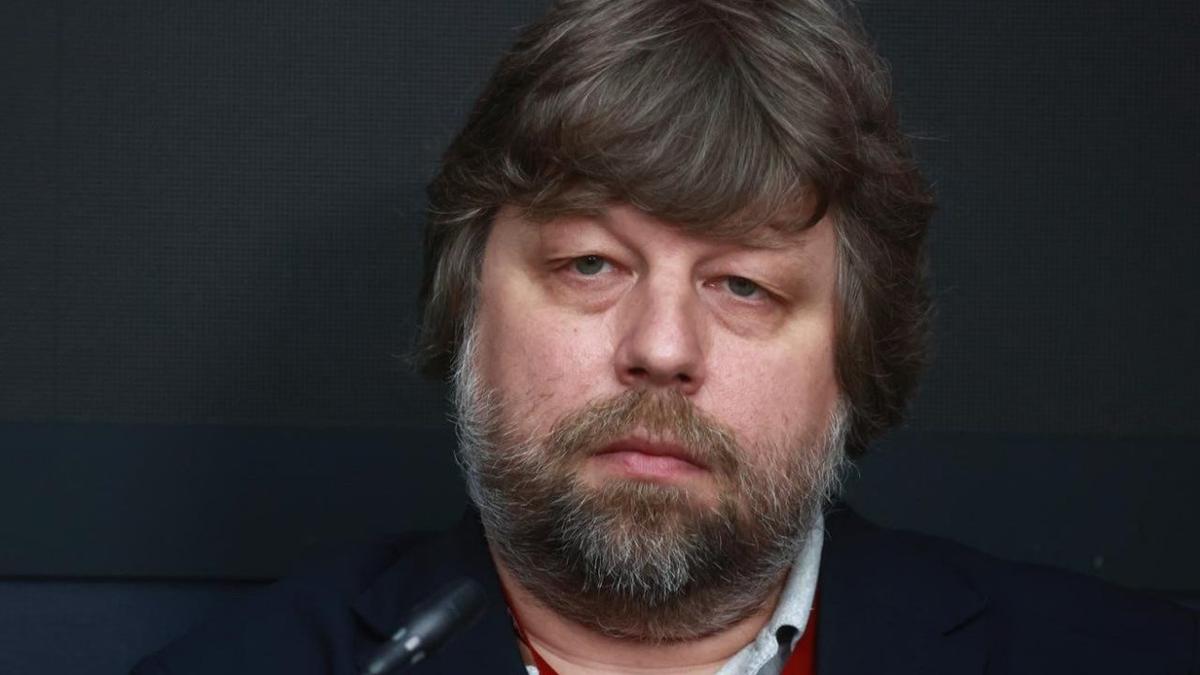
Poland handed over archaeologist Alexander Butyagin to Russia as part of an exchange. Belarus, in turn, released journalist Andrzej Poczobut
Photo: social media. Polish authorities released and handed over to Russia, as part of an exchange, the arrested archaeologist Alexander Butyagin. This was reported by the head of the Ministry of Foreign Affairs, Radoslaw Sikorski, TASS reports. The information was confirmed by the FSB. What is known about the exchange. The Belarusian state agency BelTA was one of the first to report on the exchange today around 14:00 Moscow time. The exchange took place on the border of Belarus and Poland according to the formula "five for five". In addition to these two states, Russia, Moldova, and EU countries participated in the process. Who was released by Belarus and Russia: - correspondent of the Polish publication Gazeta Wyborcza, activist of the Union of Poles in Belarus Andrzej Poczobut. He was sentenced to eight years in prison in Belarus. The reason was statements about the protests of 2020 and the attack of the USSR on Poland in 1939. Poczobut was personally met at the border by the Prime Minister of Poland Donald Tusk. - 28-year-old Polish Carmelite Grzegorz Gawel. Last year he was arrested in Belarus on charges of espionage. According to the special services, he illegally obtained documents from the "West-2025" exercises. - two regular officers of the Moldovan special service. According to the Russian FSB, last year they arrived in Russia using forged documents. Their identities are not disclosed. - who became the fifth exchanged person was not reported. It is only known that he is a citizen of Poland. Who was released by Poland and European countries: - Russian archaeologist Alexander Butyagin. He was arrested at the end of last year in Warsaw at the request of Kyiv. Ukrainian authorities accuse him of conducting illegal excavations in the annexed Crimea. In March, the court in Warsaw approved the decision to extradite Butyagin. - former deputy head of the Moldovan special service Alexander Balan. The other day, the court in Moldova sentenced him to 1.5 years in prison on charges of disclosing state secrets of the KGB of Belarus. - Nina Popova - the wife of a Russian soldier serving in the "Russian peacekeeping contingent" in the unrecognized Transnistria. - the identities of the other two released individuals are not disclosed. Who is Butyagin. Alexander Butyagin is a Russian archaeologist and antique scholar, a science popularizer, head of the sector of archaeology of the Northern Black Sea region of the Department of the Ancient World of the State Hermitage Museum. He and his group were engaged in excavations in the annexed Crimea at the site "Ancient City of Myrmekion". Butyagin was detained at the beginning of December in Poland at the request of Ukraine. Later, he was arrested. Ukrainian authorities claim that Butyagin carried out work in Crimea without the permission of the legal authorities of the peninsula, and during the excavations themselves, "partial destruction of a cultural heritage object occurred." The damage from the work carried out is estimated at 200 million hryvnias (about 370 million rubles). In March, the court in Warsaw approved Ukraine's request for the extradition of Butyagin. Who is Poczobut. Andrzej Poczobut is a correspondent for the Polish publication Gazeta Wyborcza, an activist of the Union of Poles in Belarus. In 2023, he was sentenced to eight years in prison on charges of inciting actions against the security of the country and inciting hatred. The indictment against the journalist stated that Poczobut called the attack of the USSR on Poland in 1939 an act of aggression in the media. He was also accused of statements in defense of the Polish minority in Belarus, articles about the Belarusian protests in 2020, and a 2006 text about Anatole Radzivonik, one of the commanders of the Polish anti-communist underground in the Grodno region. In 2025, Poczobut received the Sakharov Prize together with the Georgian journalist Mzia Amaglobeli. Amnesty International recognized him as a prisoner of conscience.
2 days ago
