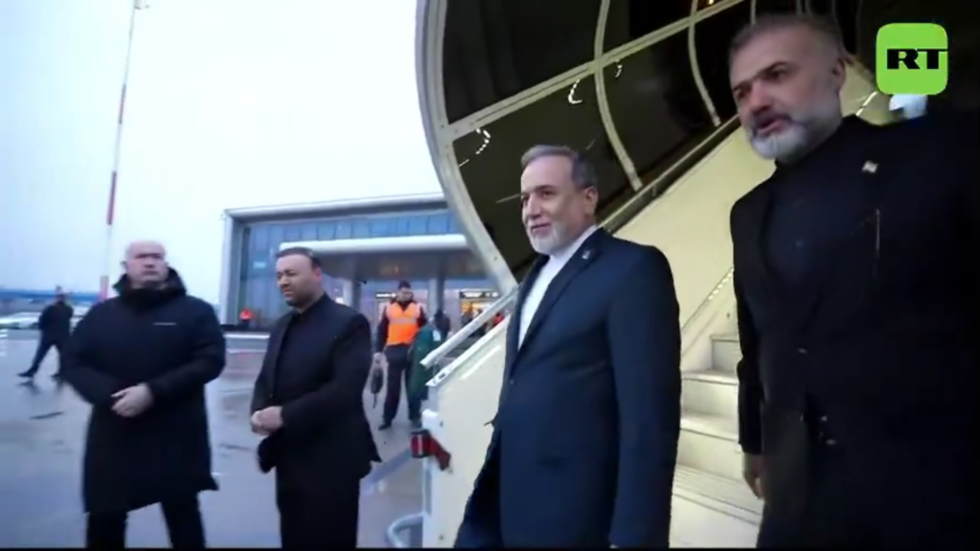
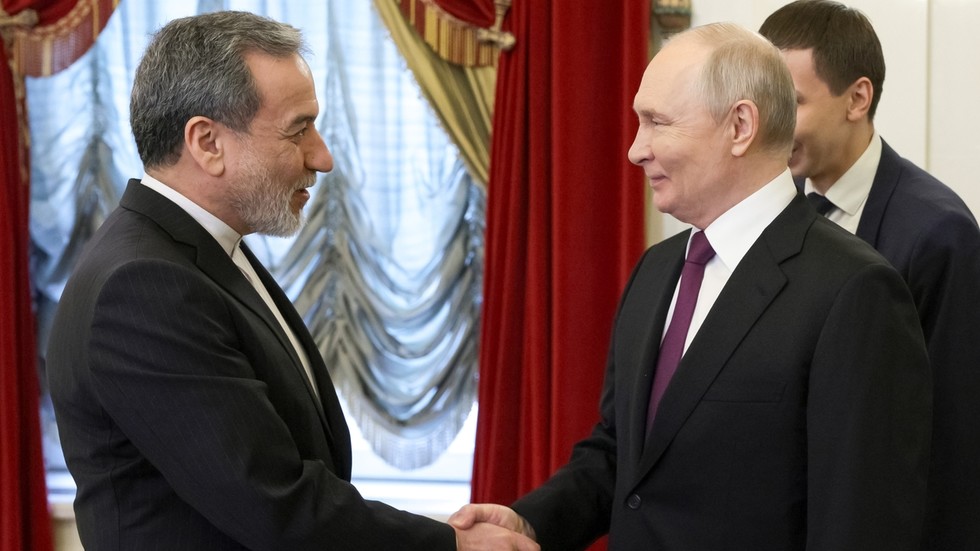
Iranian and foreign reports agree that Iranian Foreign Minister Abbas Araghchi traveled to St. Petersburg as the final stop on a regional tour and met Russian President Vladimir Putin, alongside other senior Russian officials, including Foreign Minister Sergei Lavrov. Both sides highlight that the talks focused on the Middle East conflict and broader regional security, with Putin publicly pledging to do "everything" for peace in the region and Araghchi stressing that Iran and Russia maintain a strategic partnership. Coverage converges on the fact that negotiations involving the United States are currently stalled, and that Iran is pushing for changes to US economic pressure, particularly restrictions on its ports and broader sanctions pressure. Across outlets, there is agreement that the meeting underscored ongoing diplomatic coordination between Moscow and Tehran at a moment of heightened regional tension.
Reports from both camps frame the visit within an institutional context of long-standing, deepening Iran-Russia cooperation on security and economic issues, especially in relation to the Middle East and disputes with the United States. They consistently describe Iran as resilient under external pressure and note that both governments present their partnership as "strategic" and at a "highest" or advanced level, rooted in shared opposition to Western sanctions and influence. Both sides acknowledge that the talks touched on ceasefire prospects in ongoing conflicts, Iran's nuclear program and associated "red lines," and the importance of maintaining open regional trade routes such as the Strait of Hormuz. There is also broad agreement that the visit serves to coordinate diplomatic positions as part of a wider regional tour and reflects Moscow's role as a key supporter and interlocutor for Tehran in the current standoff.
Areas of disagreement
Nature of the partnership. Government-aligned sources portray the Iran-Russia relationship as an equal, principled strategic partnership based on mutual respect, shared security concerns, and solidarity against external pressure. Opposition outlets, while using the same "strategic partnership" language, emphasize Russia's role as a critical supplier of drones, targeting data, and diplomatic cover, implying a more asymmetric dependency in which Tehran increasingly relies on Moscow to offset US leverage.
Framing of the Middle East peace role. Government coverage highlights Putin's pledge to do everything for Middle East peace as proof that Moscow and Tehran are constructive peacemakers seeking ceasefires and stability, stressing coordination on de-escalation and defense of Iran's "red lines". Opposition sources report the same pledge but frame it against the backdrop of Russia and Iran being active military and security players, suggesting that their purported peace efforts are intertwined with power projection and leverage in conflicts rather than neutral mediation.
Characterization of the US-Iran standoff. Government-aligned media describe the talks as a response to an unjust standoff with Washington and West Jerusalem, focusing on Iran's resilience and the legitimacy of its demands regarding sanctions relief, nuclear rights, and freedom of navigation. Opposition outlets present the same deadlock as a consequence of Tehran's confrontational policies and nuclear posture, underscoring that Araghchi is a chief negotiator in a war-like confrontation with the United States and that Iran is seeking to break US blockades while deepening reliance on Russia instead of pursuing broader compromise.
Domestic and regional implications. Government sources frame the visit as a diplomatic success that strengthens Iran's international standing, reinforces its deterrence posture in places like the Strait of Hormuz, and demonstrates that isolation attempts have failed. Opposition media, by contrast, stress the risks of over-alignment with Moscow, warning that such visits signal Iran's entrenchment in a Russia-led axis that may exacerbate sanctions, limit economic diversification, and further entangle the country in costly regional conflicts.
In summary, government coverage tends to present the St. Petersburg visit as a sovereign, successful diplomatic initiative that bolsters a balanced strategic partnership and supports genuine efforts for regional peace, while opposition coverage tends to depict it as evidence of Iran's deepening dependence on Russia, instrumentalized peace rhetoric, and a hardening course in its confrontation with the United States and the wider region.