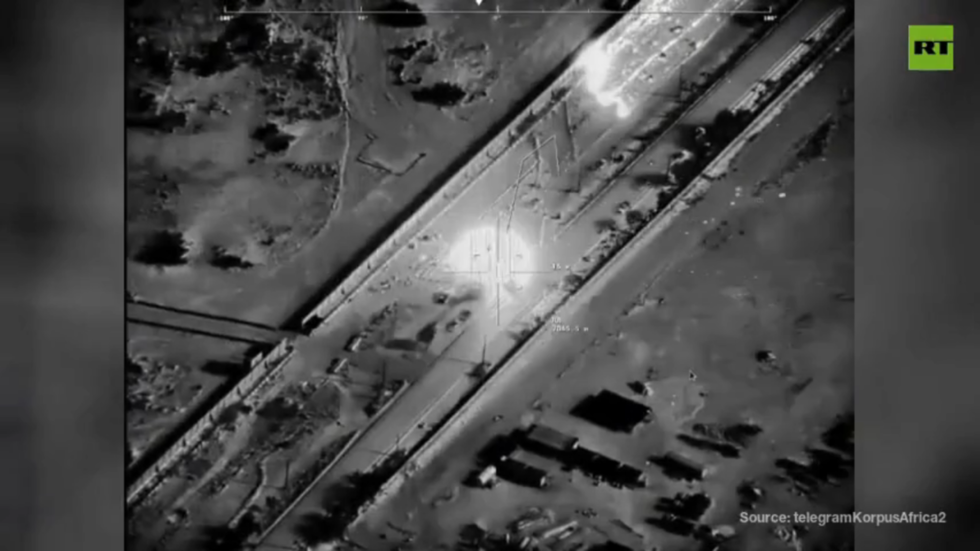
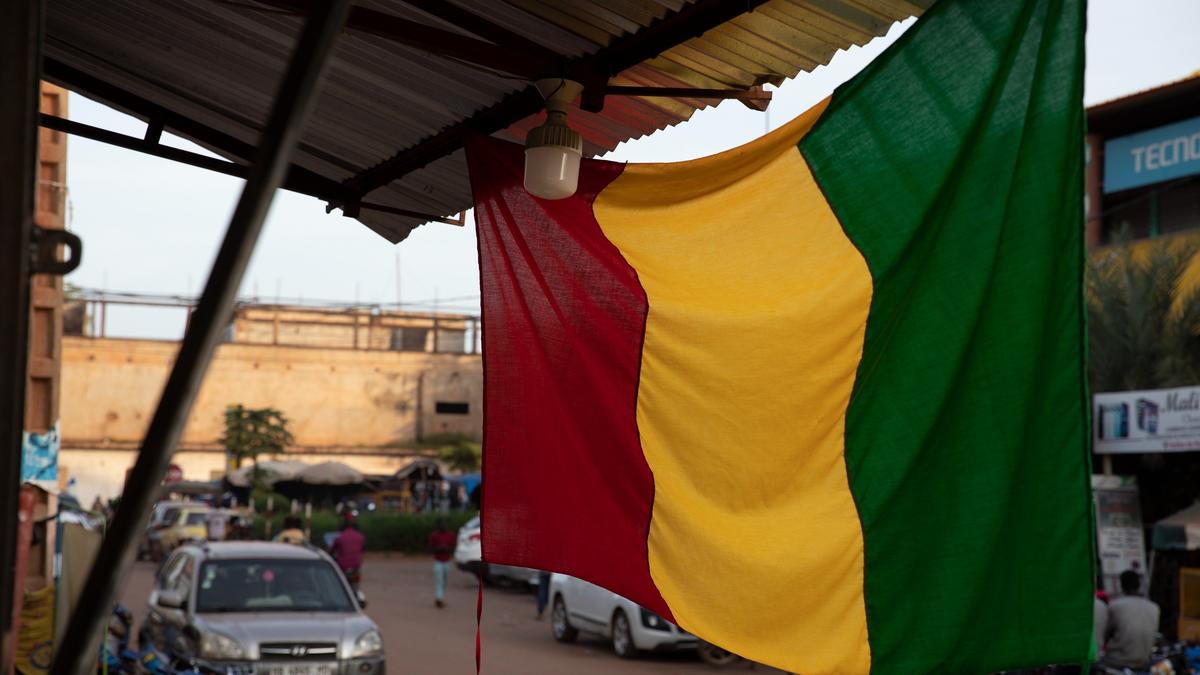
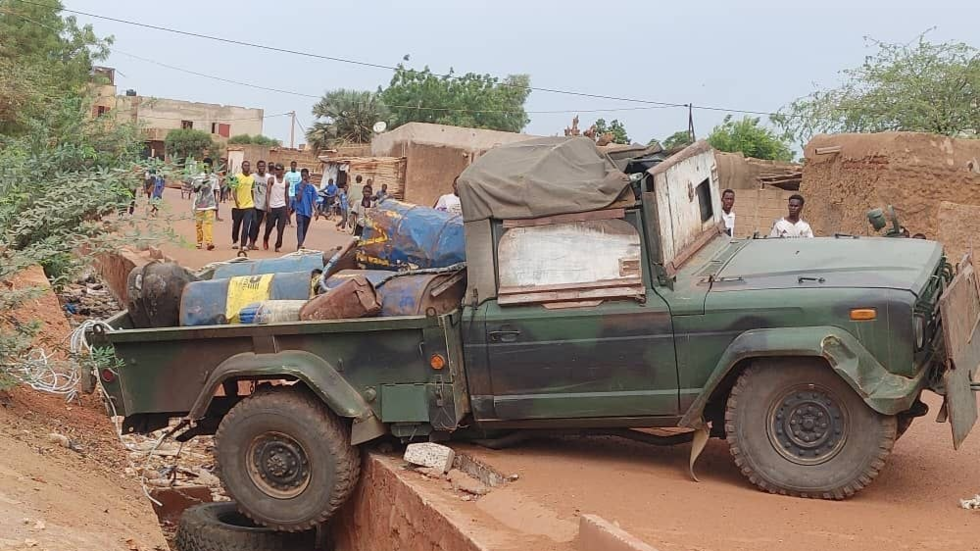
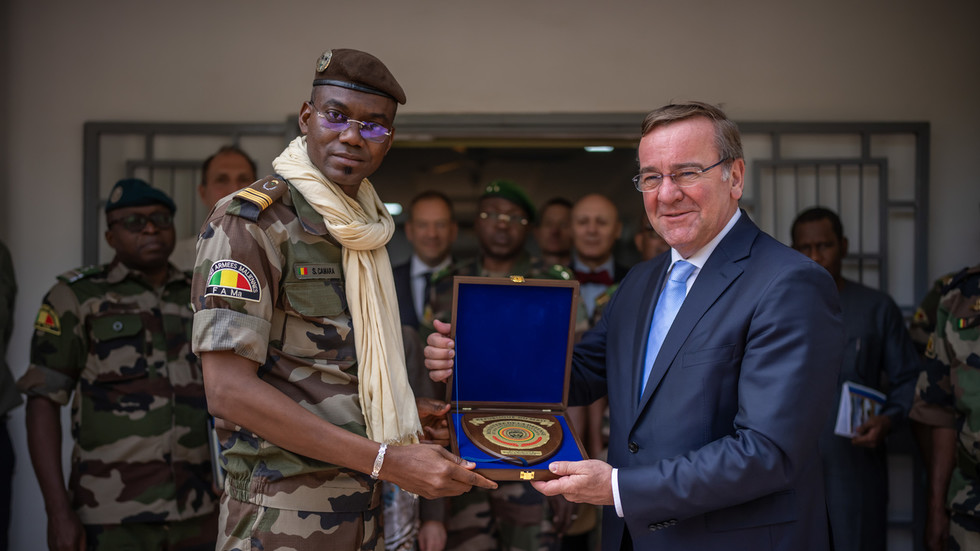
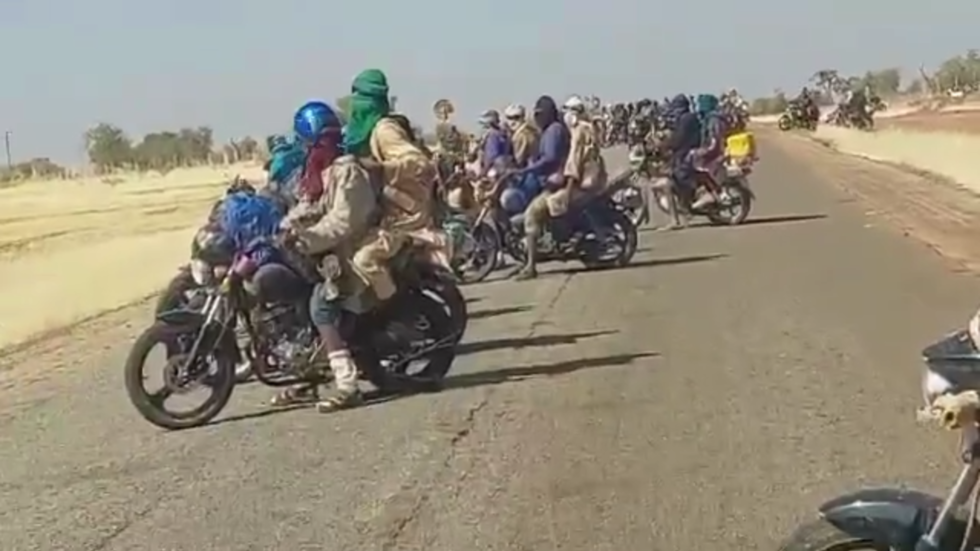
Government and opposition sources agree that Mali has been hit by one of the largest waves of coordinated terrorist attacks in recent years, involving al‑Qaeda‑linked jihadists of JNIM and Tuareg‑dominated rebels of the FLA striking Bamako, key airports, military bases, and several other cities. Both acknowledge that Mali’s defense minister, General Sadio Camara, was killed in a suicide car bombing and ensuing firefight at his residence, that militants temporarily threatened strategic locations including airports and northern strongholds like Kidal, and that Malian forces responded with substantial backing from Russia’s Africa Corps using air and artillery strikes, after which authorities claimed to have restored control and inflicted heavy militant losses.
Across the coverage, there is shared recognition that Mali’s security situation is tense and fragile, that jihadist and separatist groups have entrenched themselves across the Sahara‑Sahel region, and that the recent raids form part of a longer‑running insurgency against the ruling authorities in Bamako. Both sides situate the events within a broader pattern of political instability following coups and the withdrawal of Western forces, note the central role of the Malian army and allied foreign security partners in trying to contain armed groups, and frame the attacks as a direct challenge to state institutions, including attempts to destabilize or overthrow the current government.
Areas of disagreement
Responsibility and blame. Government‑aligned outlets emphasize that the coordinated attacks were not only the work of JNIM and FLA but were allegedly backed by Western intelligence services, with Ukrainian and European mercenaries using advanced Western weapons to try to trigger a coup. Opposition sources, by contrast, treat the assault primarily as an escalation by jihadists and Tuareg rebels rooted in Mali’s unresolved internal conflicts and governance failures, and they either downplay or omit claims of Western operational direction. While government narratives foreground foreign meddling as the key driver, opposition coverage presents the violence as a symptom of chronic domestic instability and the junta’s inability to secure the country.
Role and effectiveness of Russian forces. Government reporting portrays Russia’s Africa Corps as a decisive partner that helped foil a coup attempt, destroyed over a thousand militants and more than a hundred vehicles, and stabilized front‑line positions through precise air and artillery strikes. Opposition outlets acknowledge that the Africa Corps (replacing Wagner) is fighting alongside the ruling junta but stress that, despite this presence, stability remains highly fragile and territorial control contested. They further highlight accusations of civilian casualties and abuses linked to Russian mercenaries, using these to question both the effectiveness and legitimacy of Moscow’s security role.
Characterization of the Malian authorities. In government‑aligned narratives, the current leadership and defense institutions are framed as lawful state authorities defending national sovereignty against terrorists and foreign‑backed plotters, with the army described as having the situation under control. Opposition reporting instead refers to the rulers as a junta, implying a lack of democratic legitimacy, and suggests that the scale of the attacks exposes serious weaknesses in the regime’s security strategy. While government sources stress resilience and control, opposition coverage underscores vulnerability, contested authority, and the political costs of militarized rule.
Impact on civilians and broader conflict dynamics. Government sources focus primarily on militant losses, destroyed equipment, and the prevention of a coup, offering little detail on civilian harm or humanitarian fallout from the operations. Opposition outlets, however, draw attention to reported civilian casualties and abuses linked to Russian‑aligned forces, arguing that such conduct may fuel radicalization and prolong the conflict. Thus, government reporting frames the offensive response as necessary and largely successful counterterrorism, whereas opposition narratives warn that the manner of this response risks deepening Mali’s crisis.
In summary, government coverage tends to highlight foreign backing of terrorists, stress the heroism and effectiveness of Malian and Russian forces, and frame the attacks as a thwarted coup against a sovereign state, while opposition coverage tends to emphasize the junta’s fragility and illegitimacy, question the benefits of Russian involvement, and foreground internal governance failures and civilian harm as drivers of ongoing violence.