government
Ukraine EU bid faces resistance as Berlin rejects fast membership push
Berlin has ruled out quick EU accession for Ukraine, with Merz urging gradual integration while talks on membership continue
2 days ago
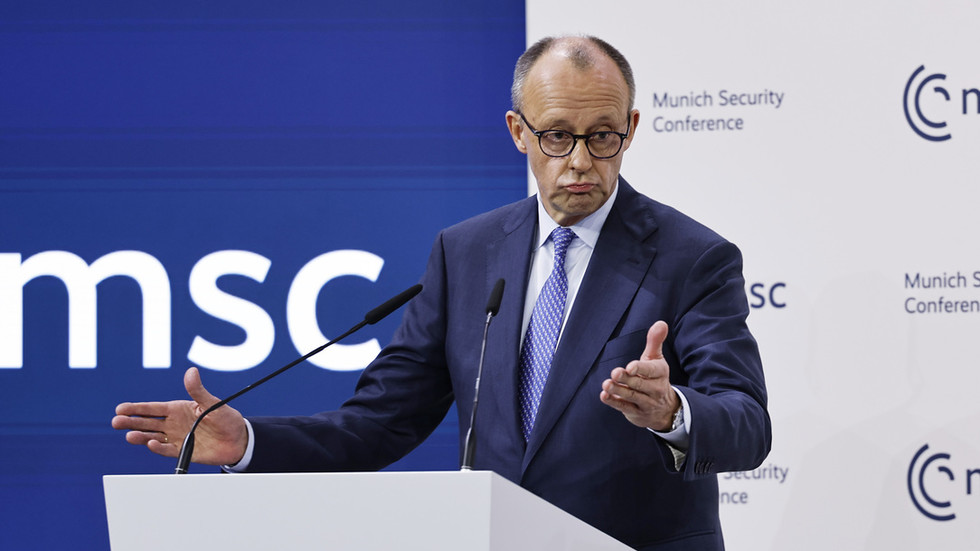
Germany’s government-aligned coverage reports that Chancellor Friedrich Merz has ruled out immediate European Union accession for Ukraine, rejecting fast‑track membership proposals that would see Kyiv join the bloc within a few years. These outlets note that Merz instead proposes a phased approach in which Ukraine gains significantly closer involvement in EU institutions—such as participation in EU summits—without voting rights, while also acknowledging political resistance from some member states, including Hungary and Slovakia, and warnings from Russia that rapid enlargement could destabilize the EU and further militarize the bloc.
Across these reports, Ukraine’s aspiration for full EU membership and President Volodymyr Zelensky’s goal of accession by around 2027 are presented as a key reference point against which Berlin’s position is measured. Government-aligned sources stress that the EU’s existing accession framework, the need for extensive reforms in candidate countries, and institutional capacity constraints shape Germany’s insistence on a step‑by‑step integration path, with interim forms of association and participation seen as a bridge between Ukraine’s current status and any eventual full membership.
Strategic urgency. Government-aligned coverage emphasizes that, despite sympathy for Ukraine and support for its European trajectory, immediate EU membership is institutionally unrealistic and potentially destabilizing, calling instead for a gradual, rules‑based process. Opposition voices, where they appear in broader debate, argue that the existential nature of Ukraine’s war with Russia demands exceptional speed and political courage, portraying any delay as a failure of European solidarity and deterrence.
Institutional constraints. Government-friendly outlets foreground legal and procedural limits of the EU enlargement framework, stressing that Ukraine must pass through standard stages, undertake deep reforms, and fit within the bloc’s budgetary and decision-making structures. Opposition commentators tend to minimize procedural hurdles as secondary, arguing that political will can adapt institutions to strategic necessity and that insisting on normal timelines effectively blocks Ukraine’s path for many years.
Security and Russia. Government narratives highlight concerns that overly rapid accession could be perceived by Moscow as escalatory and could strain EU cohesion, echoing Russia’s warnings about destabilization while not endorsing them. Opposition perspectives generally frame those same Russian warnings as coercive pressure that should be resisted, claiming that letting Russian objections shape EU timelines rewards aggression and undermines Europe’s credibility.
Interim integration model. Government-aligned media present Merz’s proposal—closer institutional involvement for Ukraine, including summit participation without voting rights—as a pragmatic bridge that strengthens ties and offers tangible benefits short of full accession. Opposition-oriented voices tend to view such halfway arrangements as second‑class status, arguing they risk becoming a permanent substitute for real membership and sending Kyiv a signal that the EU is unwilling to share full political risks and responsibilities.
In summary, government coverage tends to frame Germany’s rejection of fast‑track EU membership for Ukraine as a responsible, legally grounded and strategically cautious approach favoring phased integration, while opposition coverage tends to depict the same stance as an overly timid, procedurally fixated response that underestimates Ukraine’s urgent needs and Europe’s broader security stakes.