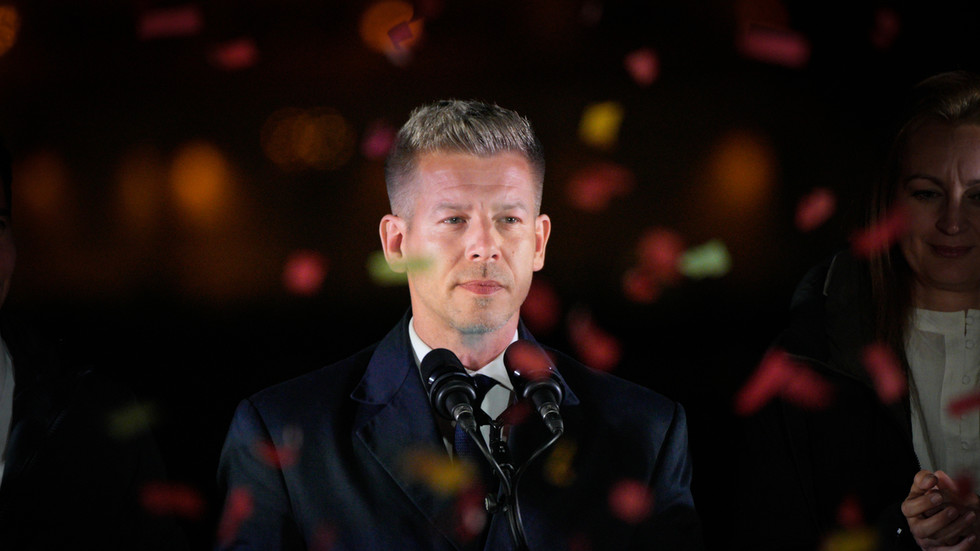
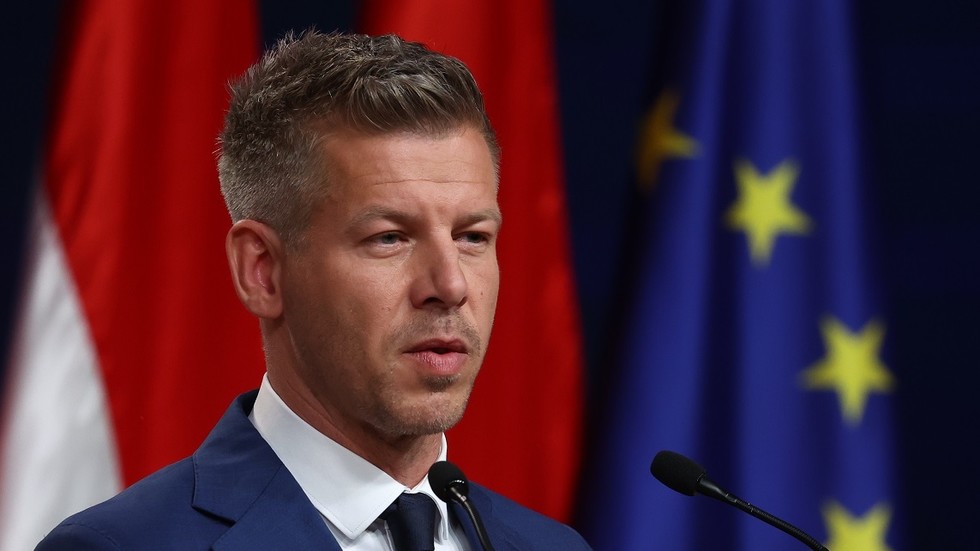
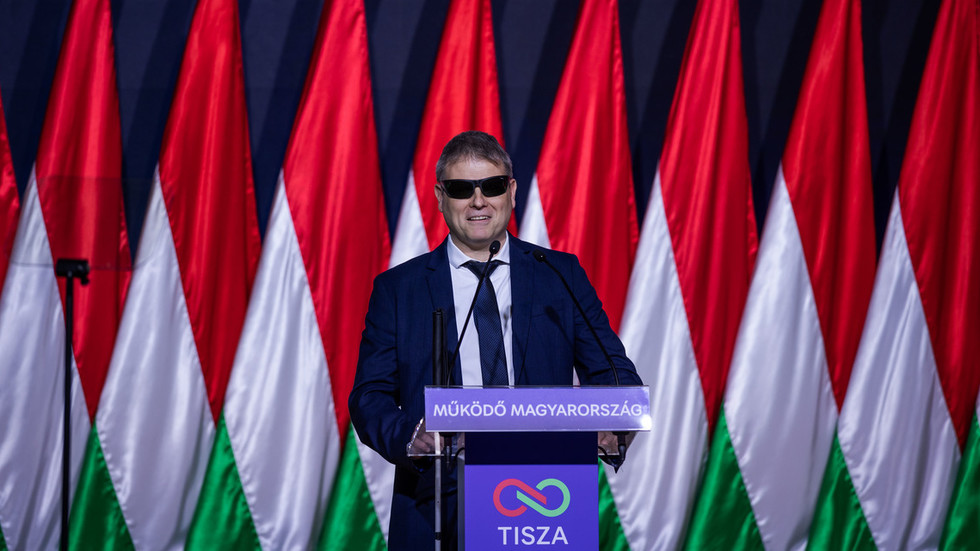
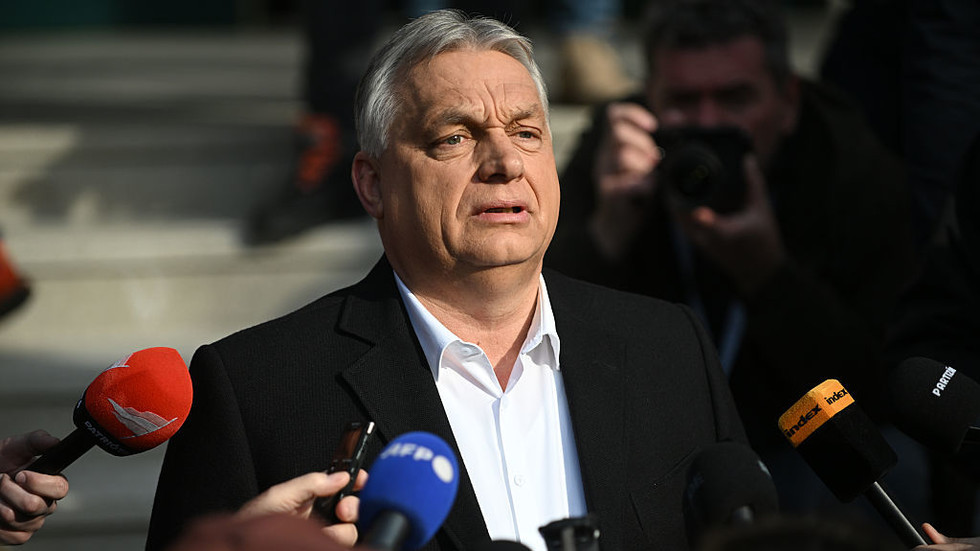
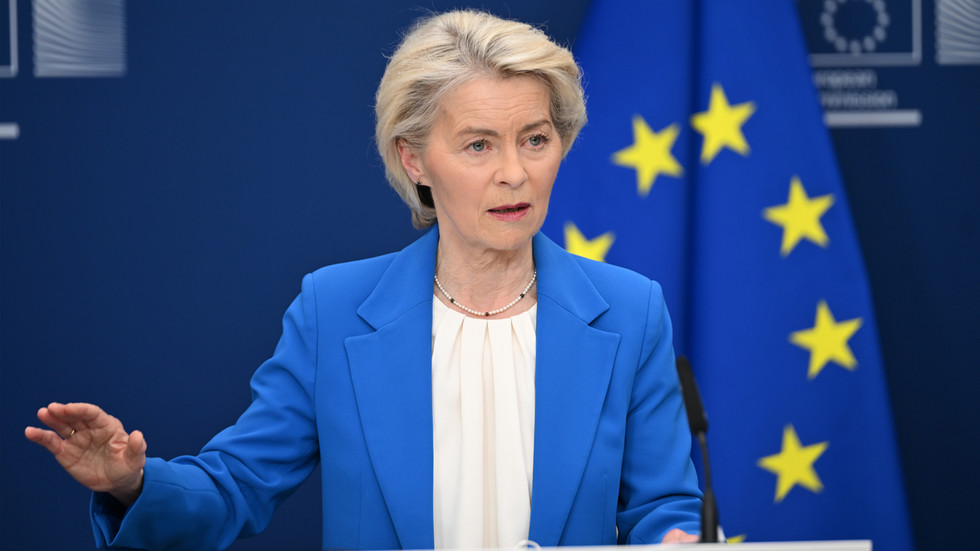
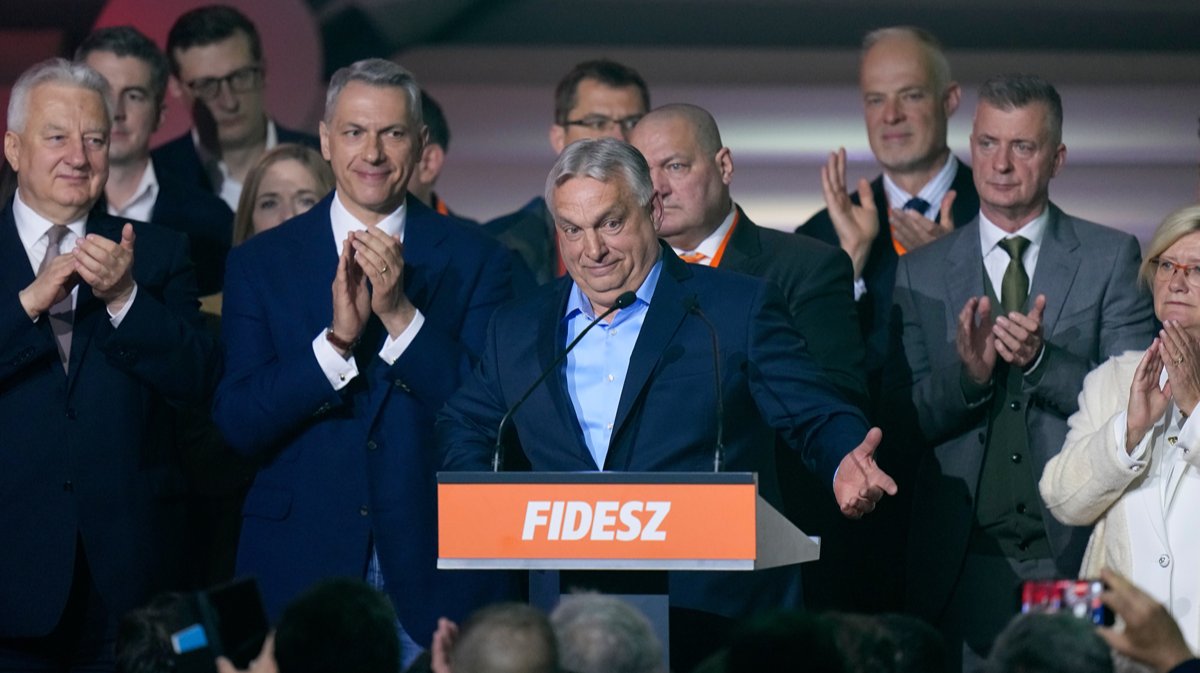
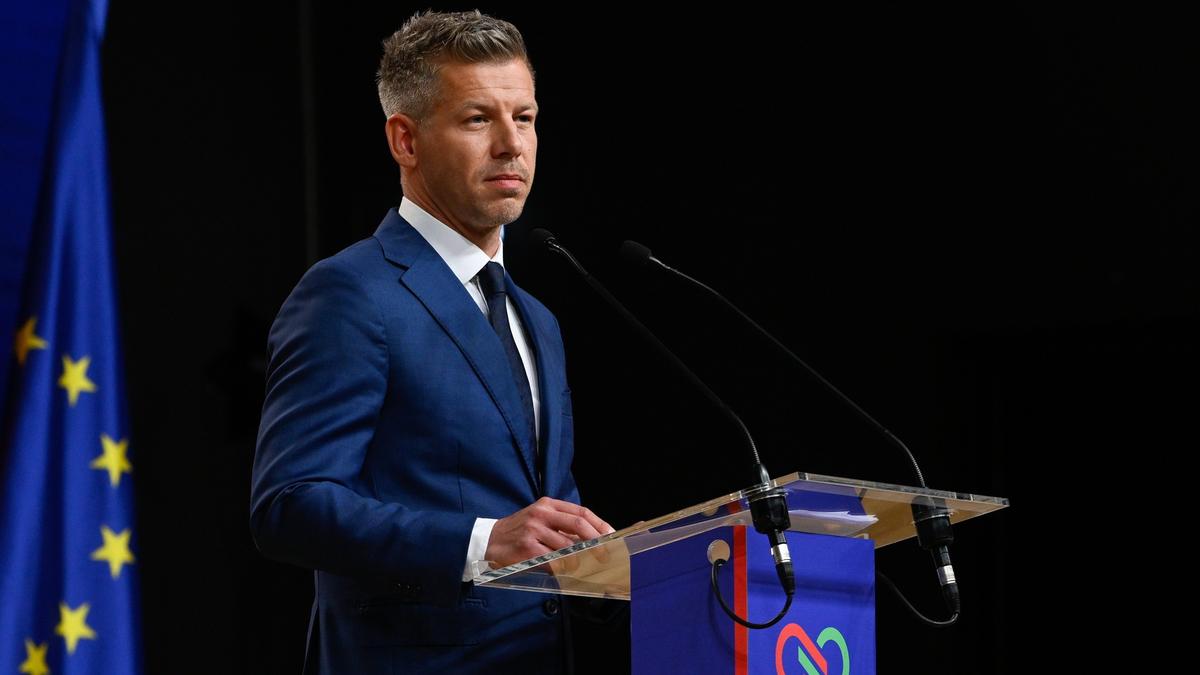
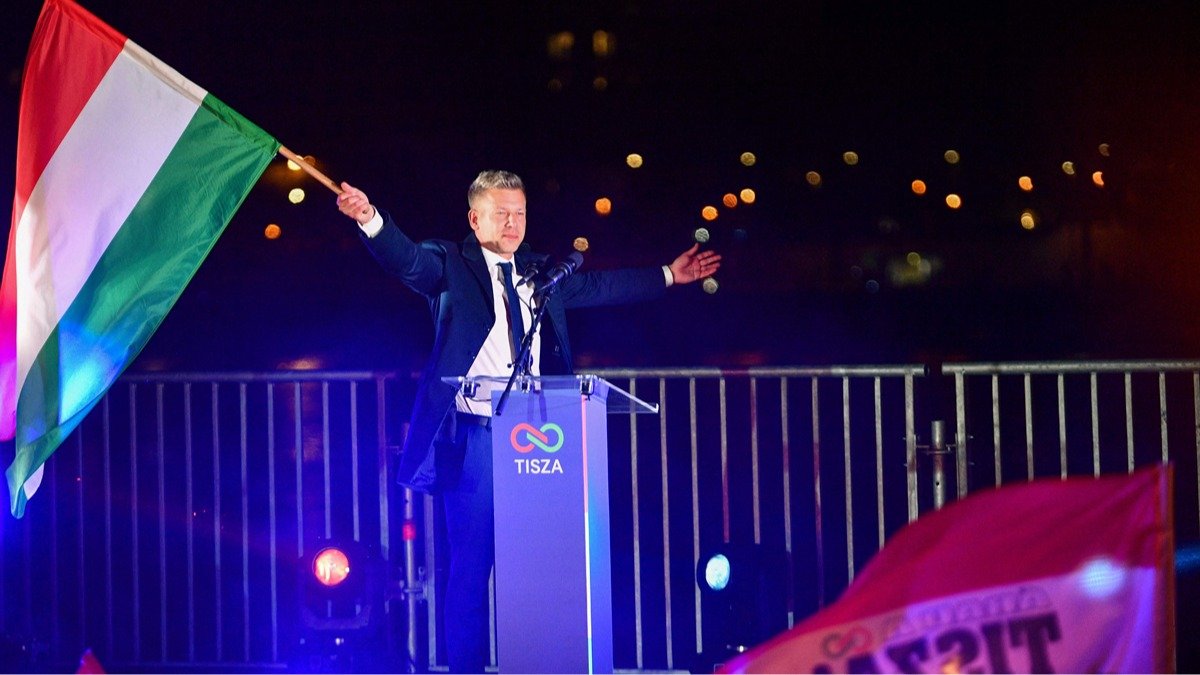
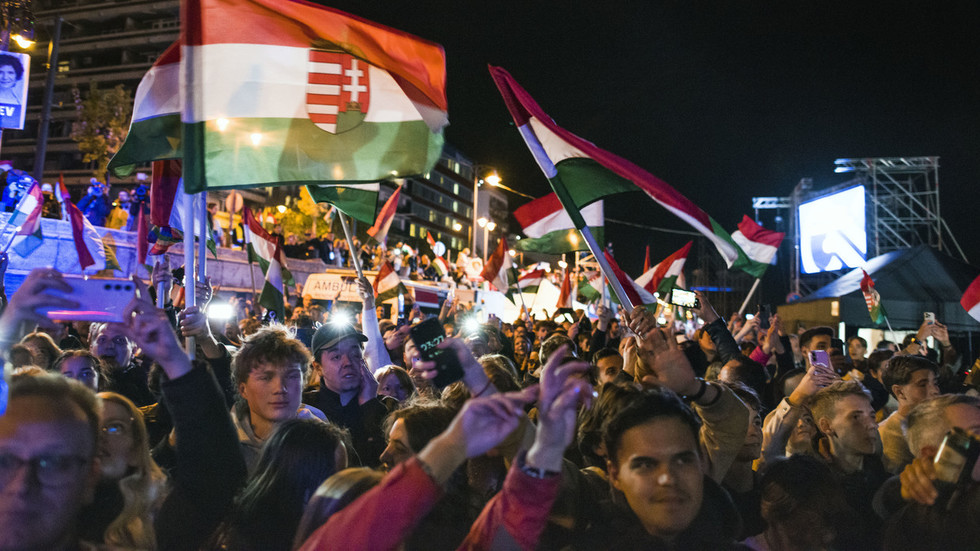
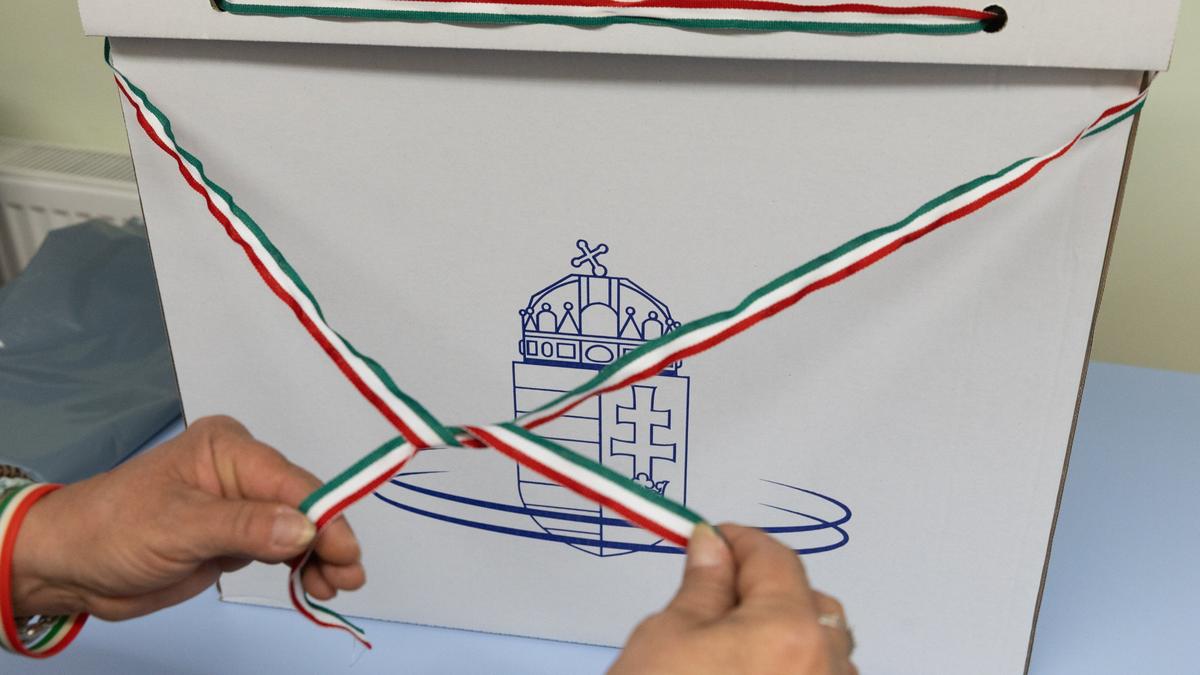
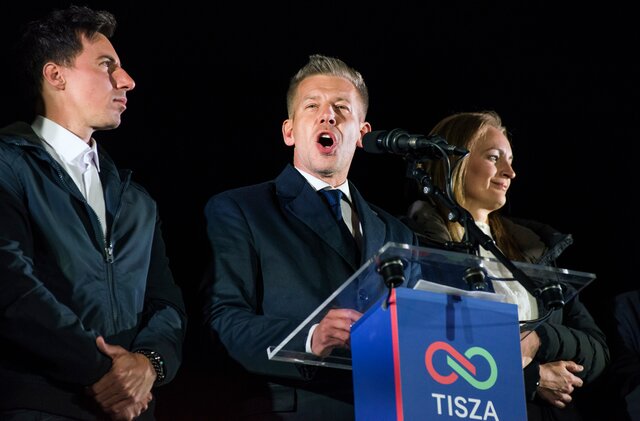
The era of Viktor Orbán and his right-wing conservative Fidesz party's continuous rule in Hungary, which began in 2010, has ended. Over the years in power, Prime Minister Orbán redesigned the electoral system to make life as difficult as possible for the opposition. But in the end, no legislative tricks prevented the right-wing party Tisza from winning the parliamentary elections on April 12, 2026. According to preliminary data, it will win 138 out of 199 seats. Tisza leader Péter Magyar now intends to significantly adjust Hungary's foreign policy: to improve relations with the European Union and Ukraine, and to adopt "pragmatic approaches" to Russia. There will be no sharp unfriendly steps towards Moscow, but a gradual reduction in dependence on Russian energy sources should be expected. The article discusses how the election campaign unfolded and what consequences its results will have. Viktor Orbán surrounded by his associates after the announcement of the first parliamentary election results in Budapest, Hungary, April 12, 2026. Photo: Petr David Josek / AP / Scanpix / LETA. "Victory for all Hungarians" On the eve of the elections, the Hungarian National Election Office warned of a high probability that the winner would not be known on the evening of April 12 or the morning of the 13th: the race seemed too competitive. It was assumed that ballots from abroad, as well as from voters who voted outside their place of registration, could decide the outcome of the battle. Their counting, electoral experts warned, would have to be awaited for several days. However, the intrigue was resolved rapidly. At 8:00 PM local time, polling stations closed and vote counting began. After processing 40% of the ballots, glasses of champagne began to appear in the hands of activists at the headquarters of the opposition party Tisza. At 9:11 PM, Tisza leader Péter Magyar wrote on Facebook: Prime Minister Viktor Orbán called him and congratulated him on his victory. In his next post, the winner of the 2026 elections announced that congratulations had begun to arrive from abroad. The first were French President Emmanuel Macron and the head of the European People's Party (a faction in the European Parliament) Manfred Weber. Next were German Chancellor Friedrich Merz and NATO Secretary General Mark Rutte. A little later, speaking in his victory speech in the center of Budapest, Péter Magyar stated that such a convincing victory "is visible from every Hungarian window, whether it is a small rural house or a city panel apartment." He thanked Hungarians for saying "no" to "deception, lies, and betrayal." And he stated: in the "battle of David and Goliath," love won. "May this victory be a victory for all Hungarians, including those who did not vote for Tisza," added the future prime minister. Meanwhile, Viktor Orbán, speaking to supporters, admitted defeat, calling the results painful. "We do not yet know what the election results will mean for the fate of our country and nation, time will tell, but we will serve our country, even in opposition," he added. "We will not give up. Never, never, never, and for no reason will we give up. The coming days will be dedicated to healing wounds, but then the work will begin again." Hungary's parliament has 199 seats. 93 seats are distributed according to national party lists through a proportional representation system, and 106 deputies are elected in single-mandate constituencies through a majority system. According to preliminary data, Tisza will receive 138 seats, meaning more than two-thirds of the total number (a constitutional majority). Fidesz and its partner the Christian Democratic People's Party (KDNP) can count on 55 seats. Another six seats will be taken by the far-right Our Homeland (Mi Hazánk). The first session of the new legislature will take place no later than May 12. In the current parliament, the breakdown was as follows: Fidesz-KDNP had 135 seats, the opposition coalition had 57, Our Homeland had six, and the German national minority had one. Viktor Orbán speaks at the final election rally of the Fidesz-KDNP coalition in Budapest, Hungary, April 11, 2026. Photo: Akos Kaiser / Hungary PM Communication Department / EPA. "Choose while there is still time" Given the unprecedentedly high stakes in these elections, the active election campaigns of Tisza and Fidesz continued until the last moment: Hungarian law does not provide for a silence day before the vote. "In the last few days [before the elections. - Ed.], you have to talk to everyone - the hairdresser, the store clerk, a work colleague, the gas station attendant, the market vendor, even the person standing next to you. Every conversation matters," Tisza urged its supporters to be maximally active on Saturday. And its leader on the same day separately addressed Hungarians living abroad: "Please, come today [to Hungary. - Ed.] and do not miss the decisive vote!" Magyar supported his appeal with lines from Sándor Petőfi's poem "National Song," known to all residents of the country and a symbol of the Hungarian Revolution of 1848: Rise, Magyar! The homeland calls! Choose while there is still time: To reconcile with a life of slavery Or to be free? The next day, already in the midst of voting, Magyar stated: "the last hours of Orbán's power" have arrived. At the same time - seemingly as a precaution - he urged those who had not yet voted to do so. Péter Magyar personally tried to convey the idea of the historical significance of the vote to everyone. Moreover, judging by the map of Hungary with the points visited by the two political leaders published by him, his tour across the country was much more intense than that of the incumbent prime minister. Magyar's schedule included four to six speeches a day, including in small villages that were traditionally considered "strongholds" of the ruling party. It was known in advance that Magyar would not lack endurance: in 2025, while already planning to participate in the elections, he walked about 300 km from Budapest to Romania - as reported, in a symbolic attempt to unite the divided nation "step by step." However, Viktor Orbán was also extremely active. On the morning of April 11, he announced a short-term campaign "One Million Handshakes": he asked Fidesz supporters, voters, and candidates to meet and talk with as many people as possible so that by the end of the day they would have accumulated exactly one million handshakes. The politician himself also made his contribution. "We are driving on the roads all day, we are not complaining about the atmosphere, most people are with us everywhere!" Orbán reported on Facebook. On April 12, it turned out that he was mistaking wishful thinking for reality. In any case, both parties managed to convey to the voters the idea that they should not stay home on election day. Voter turnout was record-breaking: 77.8% (+10 percentage points compared to the 2022 elections). Spectators of the Rendszerbonto concert on Heroes' Square in Budapest, April 10, 2026. Photo: Ferenc Isza / AFP / Scanpix / LETA. A Concert on the Verge of Hooliganism Viktor Orbán formally concluded his campaign on the evening of April 11 at a rally of tens of thousands on St. Stephen's Square in Budapest. He promised that "Hungary will remain an island of peace." He proudly stated that "there is still a country in Europe where the father is a man and the mother is a woman." He praised his supporters for having been a "silent majority" before, and now having become a "loud majority." Péter Magyar, meanwhile, officially ended his campaign in the second most populous city, Debrecen. However, the culmination of opposition activity could be considered the event held in the capital the day before - the "Great System Dismantling Concert." It lasted seven hours and gathered about 100,000 people, mostly young people. Speaking to journalists, concert attendees actively joked about traditional propaganda narratives - for example, that they were "Ukrainian spies" or came for money. They also addressed their grandparents through the press - the traditional electorate of Fidesz: "Think about our future." The performers on stage - more than 40 leading Hungarian bands and artists - did not hide their political preferences either. Rapper Saiid, for example, stated - again, addressing propaganda clichés - that he sees not "traitors" before him, but people who want to live in a free country. At the same time, he appealed to law enforcement officers, urging them to "side with the people." Legendary Hungarian rock musician János Bródy, together with the band Ivan The Parazol, performed the song Ezek ugyanazok ("It's all the same"), which holds a similar place for Hungarians as Viktor Tsoi's "Peremen" does for Russians. The Hungarian song says that times and slogans change, but the same people remain in power - opportunists, sycophants, and hypocrites. Bródy expressed hope that after April 12, this song would become irrelevant. The punk band Hétköznapi Csalódások began their performance with a chant. "Dirty Fidesz!" they sang the song Viktor and sarcastically said goodbye: "Goodbye! Auf Wiedersehen and especially 'Do svidaniya' [the musician tried to pronounce this word in Russian. - Ed.], as Viktor and his master Putin would say." Punk rockers Központi Hatalom stated that Fidesz voters are "backward" and that they should "rot in a Russian barracks." And a member of the rap duo Hősök shocked the audience by exposing his genitals and shouting insults at Gergely Gulyás, Orbán's chief of staff. Such radical gestures and statements ultimately became a real gift to the authorities. "This hatred will be at the polls tomorrow. Let's show that there are more of us - those who believe in the power of love and unity!" wrote Prime Minister's advisor Balázs Orbán on Facebook. Government spokesperson Zoltán Kovács posted a collage of two photos: the provocation by Hősök and a family of four smiling people - mother, father, and two children. The first was labeled "Tisza" for clarity. The second, accordingly, symbolized a happy life in Hungary under Fidesz. Tisza party leader Péter Magyar speaks to supporters during the National March in Budapest, Hungary, March 15, 2026. Photo: Robert Hegedus / EPA. Breaking the Information Blockade Social media battles were waged throughout the campaign. For example, videos were widely distributed that frightened voters with the prospect of Hungarian soldiers being sent to the front in case of a Tisza victory (although there is nothing of the sort in the party's program). The Economist magazine noted that this narrative was effective for certain segments of the population (e.g., in Roma communities). Opposition supporters were even more active and creative online: they conducted livestreams, distributed memes, and so on. The faces of the internet campaign against Fidesz became young influencers like Oszikaaa (21-year-old Oszkár Kallai), whose videos gain millions of views. It was thanks to the internet that Péter Magyar and his associates broke through the information blockade, which arose due to the high level of government control over traditional media. The foundation of this system is the KESMA fund, which controls over 500 local and national media outlets. State television (MTVA) has always played a special role, with a record 160.8 billion forints (over 400 million euros) allocated from the budget for its maintenance in 2025. For example, from February to June 2025, politicians from the ruling Fidesz and Christian Democratic People's Party coalition received 73% of airtime in MTVA news, with the coverage being almost never negative. All opposition politicians combined received only 27% of airtime, and even then they were mentioned mainly in a negative context. The statistics for the election campaign period have yet to be calculated, but it is unlikely they will differ significantly. Similar breakdowns occurred in terms of outdoor advertising. Given that almost all advertising space in the country belongs to companies close to Fidesz, it was not easy to see Tisza party posters these days. However, Péter Magyar's face appeared regularly - on posters from Fidesz with the inscription "They are dangerous" (Magyar's photo was next to that of Ukrainian President Volodymyr Zelensky). The phrase "anti-advertisement is also advertisement" was probably unknown to the Hungarian authorities. A rally of Tisza party supporters against the backdrop of the Hungarian parliament after the announcement of the general parliamentary election results, April 12, 2026. Photo: Robert Hegedus / EPA. Facing Brussels Such a concentration of resources allowed the authorities to impose a binary choice on voters: "Orbán means peace, Magyar means war." The opposition politician was depicted either as an EU puppet or a Ukrainian agent. But this was a significant exaggeration. Magyar showed caution on the Ukrainian issue throughout the campaign - for example, he opposed supplying Hungarian weapons to Kyiv and proposed holding a referendum on Ukraine's accelerated accession to the EU. As an unnamed European diplomat told Politico, "Ukraine is not a popular topic among Hungarian voters," so Magyar "will likely have to act very cautiously." Ukrainian experts also acknowledged that a change of power in Hungary does not guarantee that Budapest will drastically change its course regarding Kyiv. However, at least in the initial stage, the Ukrainian side can expect good news. For example, the unblocking of an EU loan of 90 billion euros (Orbán categorically opposed the allocation of these funds), as well as the adoption of the 20th package of sanctions against the Russian Federation (an initiative that was criticized by Slovak Prime Minister Robert Fico, but now, having lost an ally, he may become less radical). Ukrainian President Volodymyr Zelensky was among the first to congratulate Péter Magyar, expressing readiness for "meetings and joint constructive work for the benefit of both countries, as well as for peace, security, and stability in Europe." It is also clear that a honeymoon period in relations between Budapest and Brussels lies ahead. "Hungary has chosen Europe. Europe has always chosen Hungary. The country is returning to the European path. The Union is becoming stronger," wrote European Commission President Ursula von der Leyen on social network X. As friendly gestures, Brussels may soon unblock the transfer of 8.4 billion euros from the EU's Cohesion Fund to Hungary, as well as 9.5 billion euros from the Recovery Fund. In addition, a preferential loan of 17.4 billion euros under the SAFE program may be approved. All of this, as economists note, could give a tangible boost to the Hungarian economy's growth. At the same time, Magyar will certainly not be an "EU puppet." The politician declared his intention to normalize relations with Brussels, but - he emphasized - taking into account all of Hungary's national interests. For example, he is expected to take a position on agricultural and environmental issues that is no less tough than Orbán's. Moreover, on such a principled issue as migration, there is no fundamental difference between him and the outgoing prime minister: Magyar advocates for strict border control and the preservation of national sovereignty in matters of granting asylum. As for relations with Russia, Magyar agreed with the characterization of Vladimir Putin as a "threat to Hungary, Europe, and European civilization." And the chant "Russians, go home!" was heard more than once at Tisza's election events during the campaign. After the party's victory, its supporters also chanted this, celebrating the election results in the center of Budapest (and Polish Prime Minister Donald Tusk added this phrase to his congratulations to Magyar on social network X). At the same time, sharp steps to break off relations with the Russian Federation by the new government should still not be expected. In particular, Magyar emphasized that Hungary's energy dependence on the Russian Federation will remain for some time, as the diversification of fuel supplies will not happen instantly. Russia, he pointed out, should not be "practically the only" supplier, but "one of them." "If necessary, we will negotiate, but we will not become friends [with Russia. - Ed.]," he also noted. Overall, it should be understood that the 2026 elections were not about the confrontation of two ideologically incompatible politicians: both are on the right ideological flank. The Tisza leader simply appealed to the image of Viktor Orbán from 1998, when he first came to power (for four years): at that time, he was a young, pro-European conservative, not yet burdened by "mafia" connections. The head of Tisza focused on internal problems: corruption in a "mafia state," underfunding of hospitals and schools, economic stagnation (0.5% growth in 2024-25), budget deficit (in 2026 it may exceed 5% of GDP), threats of credit rating downgrades to "junk" category), cost of living crisis. A typical Tisza social media post in those weeks looked something like this: "Before, Józsi's salary was enough until the end of the month, but now it's not... Retirement is getting closer, but it doesn't reassure him, rather it worries him... Józsi isn't angry - rather, he feels tired." The change of power in the country, as explained in Tisza, would definitely help such people. Magyar claimed that even "the Hungarian countryside has risen up" against "Orbán's corrupt and inhumane government." As a result, judging by the election results, this statement turned out to be not so far from the truth. A queue of voters in front of a polling station in Budapest during the general parliamentary elections in Hungary, April 12, 2026. Photo: Attila Kovacs / EPA. All for Victory Confident in his party's victory in advance, Péter Magyar nevertheless warned: one cannot relax, because anything can be expected from the authorities. On Saturday, he said that Fidesz representatives "are planning to carry out a series of false flag operations, coordinated with Russian agents and on their advice": to commit provocations by infiltrating polling stations disguised as Tisza activists. Such and similar actions, according to Magyar, could well be expected, given the experience of previous years. For example, during previous elections, independent observers recorded the practice of "chain voting." The first participant in the scheme enters the polling station, receives a ballot with envelopes, throws an empty envelope into the ballot box, and takes out a blank ballot. On the street, a party functionary marks it, after which the next voter takes this filled-out sheet to the polling station and takes out a new blank one. According to the publication Átlátszó, in 2022, this practice was actively used in rural areas to ensure a 100% voting result for the ruling party. The current campaign - according to independent observers - also cannot be called fair. For example, according to the authors of the documentary investigation film "The Price of a Vote," shown in Budapest shortly before election day, the ruling party deployed a large-scale pressure network in 53 out of 106 electoral districts. The campaign was designed to reach up to 600,000 people - about 10% of the expected turnout. In rural areas, supporters of the authorities, according to eyewitnesses, offered residents 50-60 thousand forints (about 130-160 euros) in exchange for "correct" voting. Loyalty was also bought with food, firewood, job promises, and even cheap synthetic drug "smoky," popular in poor villages. Local heads of administrations played an important role in the system - often the sole managers of vital resources in their settlements. For example, in one village, the mayor, elected from Fidesz, also works as a doctor. As claimed in the film "The Price of a Vote," he threatened patients with not issuing prescriptions for medications if they did not vote for the ruling party. Parallel to administrative pressure, the campaign was marked by increased physical tension. A feature of this cycle was the involvement of organized groups of muscular men in black jackets, dubbed "Hungarian titushki" by the press. They accompanied the prime minister at every stage of his trip and helped to drown out the voices of those who came to pro-government rallies to express their discontent. The "support group," if necessary, blocked the path of protesters, snatched posters from their hands, and chanted slogans in support of Fidesz. However, actions in the gray and black zones were only a supplement to the effective legal efforts to maintain power, to which Fidesz has traditionally paid considerable attention. Over the years in power, Orbán's associates approved a number of initiatives designed to facilitate the task of retaining power. In the end, however, on April 12, 2026, all sorts of manipulations did not help the Fidesz party and Viktor Orbán personally. Fatigue from 16 years of continuous rule by the same politician turned out to be stronger.