opposition
In Tuapse, oil products got into the river and the sea. Rescuers collect them with buckets and shovels without protective equipment. The fire at the sea terminal was extinguished for five days
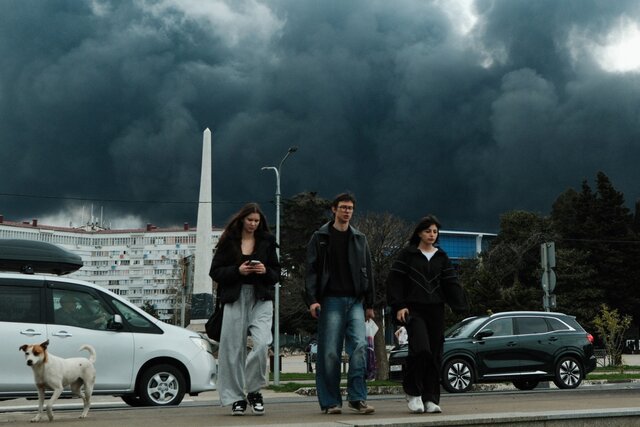
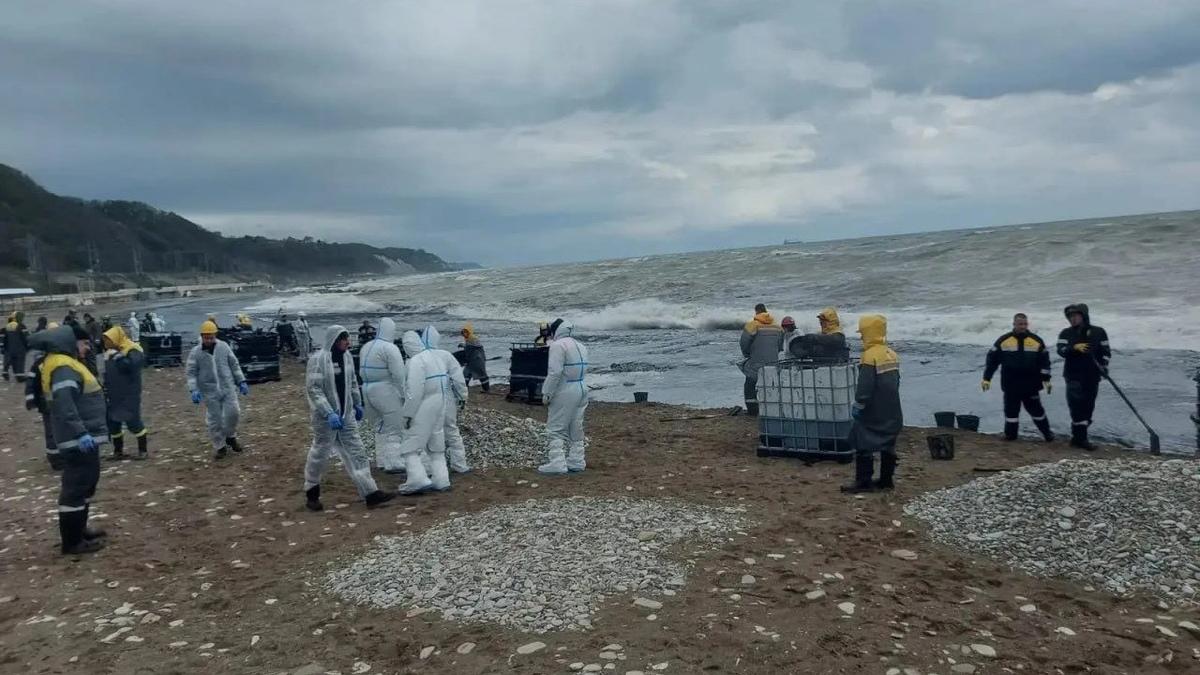
In Tuapse, the fire at the sea oil terminal was extinguished, reported the Governor of the Krasnodar Krai, Veniamin Kondratiev. He noted that firefighters worked around the clock for five days. Oil products got into the sea. At the same time, due to heavy rains, oil products previously collected after the fire at the terminal broke through one of the boom barriers and flowed into the Tuapse River, and then into the Black Sea. This was reported by the operational headquarters of the Krasnodar Krai. The scale of the spill is unknown. How much oil product got into the sea is unknown. According to ecologist Georgy Kavnosyan, a thick film about 30 centimeters thick formed on the water surface. He added that activists called the police to find those responsible for the spill and determine the damage. Rescuers work without protective equipment. Rescuers collect oil with buckets and shovels, as evidenced by photos and videos from the spill site. The workers are wearing white protective suits, but no respirators, Kavnosyan emphasized. According to him, they plan to continue cleanup at night. Context. Ukrainian drones attacked Tuapse twice - on April 16 and 20. After the first strikes, a fire broke out at the sea terminal, and oil products got into the river. The fire was extinguished on April 19. On the same day, the regional operational headquarters reported the localization of the spill: boom barriers and oil collection devices were installed in the reservoir. After the strikes on the night of April 20, a second fire occurred at the sea terminal. Also, oil products got into the Black Sea, forming an oil slick with an area of ten thousand square meters, the operational headquarters reported. Dangerous precipitation. Residents of Tuapse complain that "oil" rains are falling in the city. Oily drops leave stains on the ground, houses, cars, as well as animals and people. Rospotrebnadzor initially reported that they did not detect an increased concentration of harmful substances in the air. Later, however, the department published a memo with recommendations to "avoid being outdoors, do not open windows, drink more," as well as "use masks and respirators if necessary to go outside." The press service did not specify the reasons for these recommendations. When burning oil products, benzene, xylene, and soot are formed, The Insider reported, citing co-chairman of the EcoDefense! group Vladimir Slivyak. The ecologist noted that these compounds pose a direct threat to health, and benzene can provoke oncological diseases.
2 days ago