government
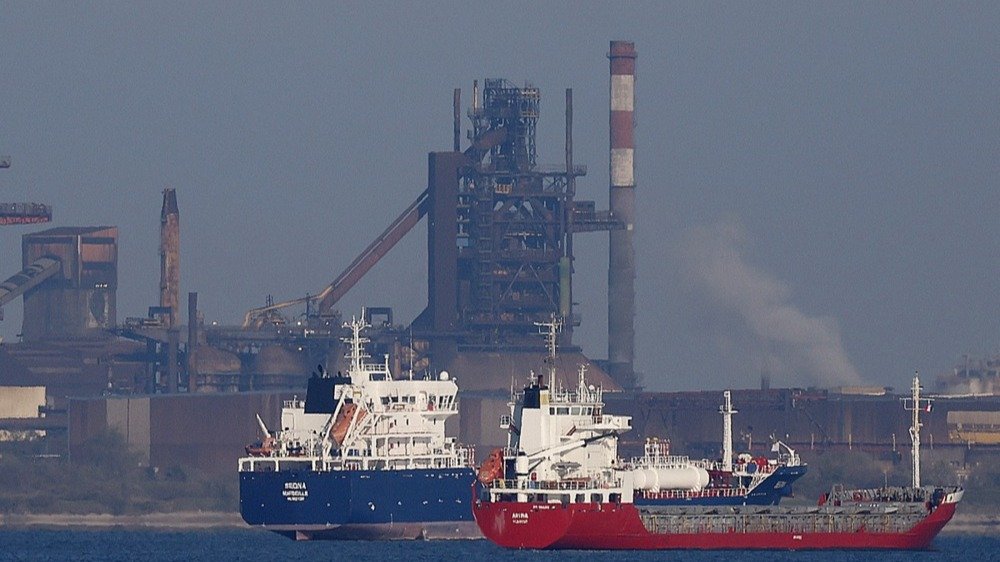
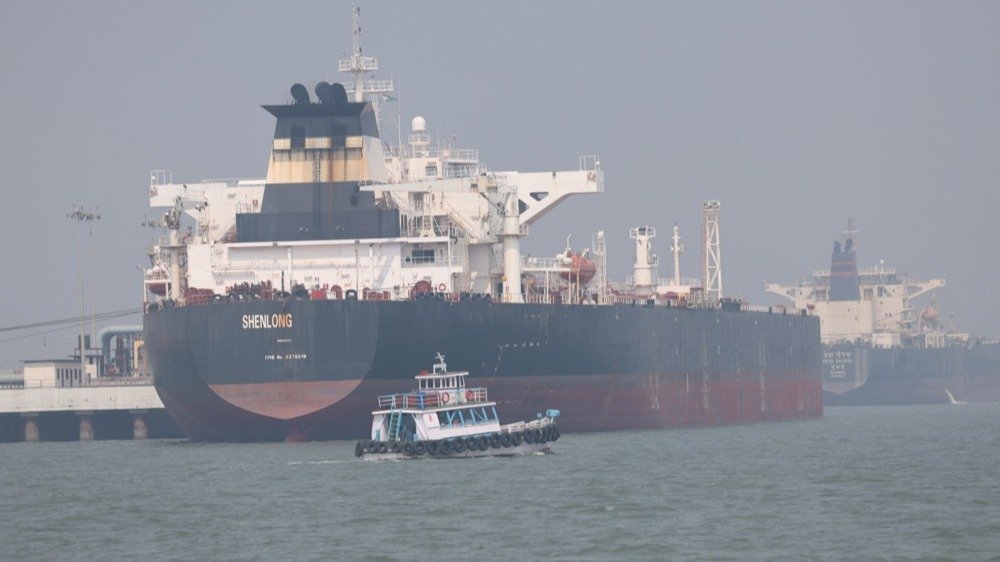
Over 20 vessels pass through Strait of Hormuz in past day
According to the newspaper, these ships included tankers, dry cargo and container carriers
22 days ago
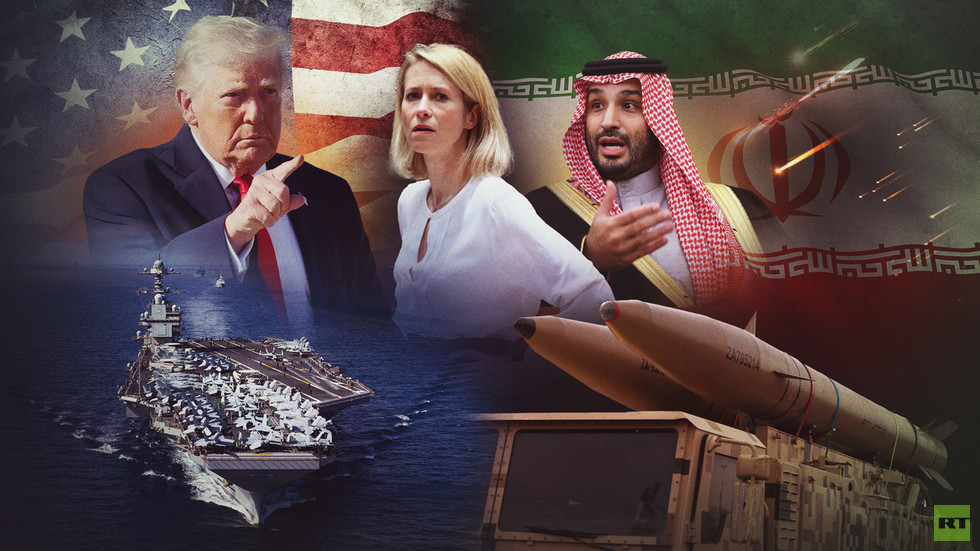
The US has announced and begun implementing a naval blockade targeting Iran’s maritime trade, centered on the Persian Gulf, Gulf of Oman, and access to Iranian ports starting April 13. Both government and opposition sources agree that the decision followed the collapse of US–Iran talks in Islamabad on April 11, which broke down over disagreements on Iran’s nuclear program, sanctions relief, and regional conflicts. There is broad agreement that the US aims to restrict vessels entering and leaving Iranian ports, especially those involved in Iranian oil exports, and that the measure has already affected commercial traffic patterns around the Strait of Hormuz, with some vessels switching off tracking systems or rerouting. All sides report that Iran has condemned the blockade as illegal and likened it to piracy, while Washington has concentrated significant naval and air assets, with over 10,000 personnel, to enforce the restrictions and threaten to destroy ships attempting to break the blockade.
Shared context across both sets of outlets emphasizes the strategic importance of the Strait of Hormuz as a choke point for global energy supplies and the risk that a prolonged blockade could drive up oil prices and disrupt energy markets. Coverage from both perspectives notes that the move comes after a broader escalation involving US and Israeli actions against Iran and Iranian retaliatory strikes, and that key international actors such as China, Saudi Arabia, EU states, and traditional US allies like the UK and France are wary or non‑committal about joining the operation. Both sides highlight that China is particularly exposed due to its energy agreements with Iran, that some European partners have urged caution or declined to participate militarily, and that maritime advisories such as the UKMTO notice now warn all ships about access restrictions linked to Iranian ports and coastal facilities.
Scope and effectiveness. Government-aligned outlets describe a “complete” or comprehensive naval blockade that has successfully prevented any Iranian ships from overcoming the cordon, citing CENTCOM claims that no vessels have departed Iranian ports and that several merchant ships were forced to turn back. Opposition outlets portray the measure as partial and porous, stressing that the US is formally allowing non-Iranian traffic to pass through the Strait of Hormuz and reporting specific examples of tankers, including sanctioned ones, transiting the area despite the announced blockade. While government narratives emphasize control and operational success, opposition reports highlight ongoing tanker movements and reduced but continuing traffic to question how airtight the blockade actually is.
Legal framing and responsibility. Government coverage tends to present the blockade as a coercive but legitimate tool to pressure Tehran back to the negotiating table and curtail what Washington labels destabilizing Iranian activities and illicit oil revenues. Opposition sources focus on the absence of clear UN authorization, amplifying Iranian and other international voices that describe the move as illegal, akin to piracy, and a unilateral escalation that Washington initiated after talks failed. In this framing, government outlets stress Iran’s intransigence and regional behavior as the root cause, while opposition outlets stress US–Israeli military actions and Trump’s decision-making as primary drivers of the current crisis.
International reaction and alliances. Government-aligned reports underscore Israeli support and suggest that “many countries” are expected to collaborate, while framing European and Gulf partners as cautiously aligned but still broadly within the US orbit. Opposition coverage instead highlights reluctance and confusion among allies, noting that key partners like the UK and France are not formally joining the mission and that Saudi Arabia is privately urging negotiations and de-escalation. The government narrative leans on US resolve and leadership, whereas the opposition narrative stresses diplomatic isolation, fraying coalition support, and growing criticism from China and other energy importers.
Risks, escalation, and domestic impact. Government outlets frame the blockade primarily as a calibrated pressure campaign intended to weaken Iran economically and strategically, with the implicit promise that it will bring Tehran back to talks on more favorable terms for Washington. Opposition outlets focus on the risks of military escalation, referencing internal US discussions about potential strikes on Iran and Trump’s threats to destroy Iranian forces, and they place particular emphasis on surging oil prices above $100 a barrel and the prospect of higher fuel costs for American consumers. While government coverage downplays long-term economic pain and stresses strategic necessity, opposition coverage foregrounds potential blowback, including market volatility, regional war risks, and domestic political costs.
In summary, government coverage tends to frame the blockade as a decisive, largely effective, and legally justified pressure tool backed by substantial military capability and sufficient international support, while opposition coverage tends to question its legality and effectiveness, emphasize allied reluctance and economic risks, and portray it as a dangerous escalation driven by US policy choices rather than necessity.