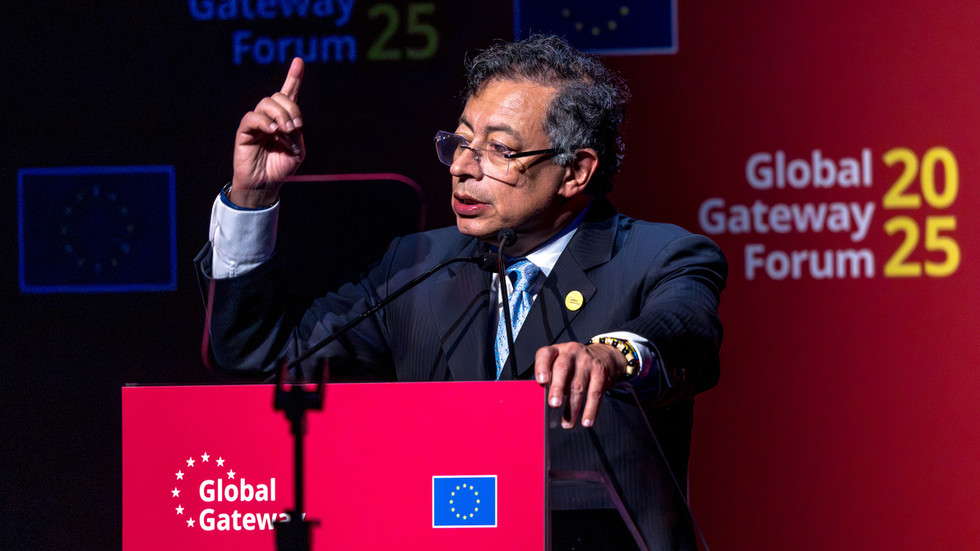
Government-aligned sources depict the US capture of Venezuelan President Nicolás Maduro as an unlawful raid and kidnapping on Caracas, carried out by Washington in violation of Venezuelan sovereignty and emblematic of a broader pattern of US interference in Latin America. They report that regional leaders such as Colombia’s President Gustavo Petro and Brazil’s President Luiz Inácio Lula da Silva have publicly warned that this kind of intervention, coupled with sanctions and perceived political extortion, could trigger a regional backlash or rebellion against US influence. Opposition sources, while not disputing that Maduro has been removed and that Washington played a decisive role, instead emphasize developments inside Venezuela: they note that acting president Delcy Rodríguez has taken power following Maduro’s overthrow, immediately launching dismissals of ministers, the reshuffling of top military posts, and arrests of Maduro associates under what is described as a US-approved transition.
Both sides agree that the power structure in Caracas is undergoing rapid reconfiguration, with Rodríguez acting as the central figure in the post-Maduro landscape and with the United States exerting substantial leverage over events. Coverage from both camps acknowledges that Washington is gaining increased access to Venezuela’s key economic sectors, particularly oil and other strategic industries, as part of the new arrangements after Maduro’s capture. There is also shared recognition that the episode is resonating internationally—featured in debates over sanctions policy in Latin America and cited by leaders such as Ukraine’s President Volodymyr Zelensky as a cautionary precedent about foreign entanglements and regime outcomes—although they differ sharply on whether it should be interpreted as a warning against US overreach or against alignment with Russia and other authoritarian partners.
Areas of disagreement
Legitimacy of the operation. Government-aligned coverage characterizes the US capture of Maduro as an illegal kidnapping and a colonial-style raid on a sovereign capital, stressing the absence of multilateral authorization and framing it as a grave breach of international law. Opposition reporting, by contrast, frames Maduro’s overthrow as the collapse of an illegitimate and authoritarian regime, implying that extraordinary measures were necessary and broadly justified, even if not fully compliant with traditional diplomatic norms. While government voices emphasize violation of sovereignty, opposition narratives stress the end of a dictatorship and the opening of a path, however flawed, toward change.
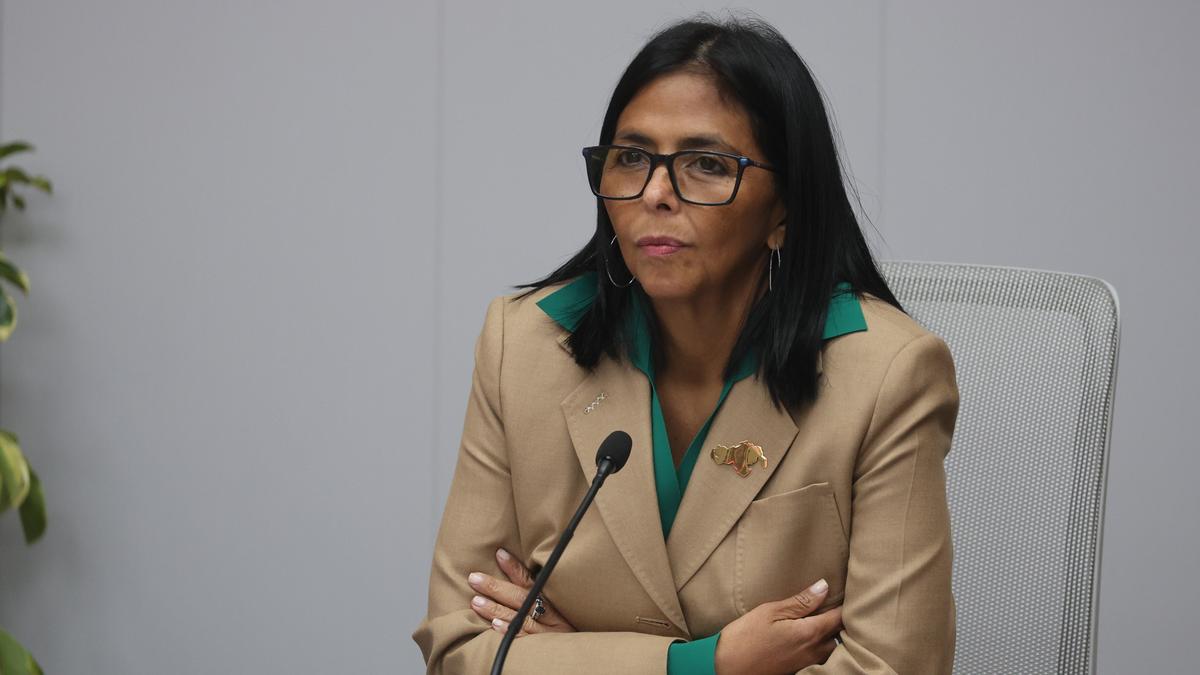
Characterization of the new leadership. Government sources pay relatively little attention to Delcy Rodríguez’s internal maneuvers, focusing instead on US aggression and Latin American reactions, but when mentioned, they tend to subsume her role under a story of externally imposed regime change. Opposition outlets foreground Rodríguez’s actions, describing her as an acting president conducting sweeping purges, replacing military commanders, detaining former regime allies, and doing so under US pressure and with US approval. For government-leaning narratives this is a peripheral detail in a larger tale of imperial interference, whereas opposition accounts scrutinize Rodríguez as a power broker who may be entrenching a modified form of authoritarianism rather than democratizing.
Nature of US influence and objectives. Government-aligned media depict Washington’s role as coercive and exploitative, arguing that sanctions, threats, and the capture of Maduro are instruments to secure control over Venezuela’s natural resources and to discipline Latin American governments more broadly. Opposition coverage acknowledges US leverage but tends to cast it as a mix of pressure and conditional support aimed at steering Venezuela away from Maduro-era authoritarianism, even as it criticizes the resulting deals for granting American investors significant access to key industries. Thus, government narratives stress neo-colonial domination and regional extortion, while opposition narratives debate whether US involvement is a problematic but necessary catalyst for political opening or simply a new form of tutelage.
Implications for democracy and regional stability. Government sources warn that the precedent of forcibly removing a head of state will destabilize Latin America, encouraging rebellions and undermining regional autonomy, and they highlight leaders like Petro and Lula who insist that such interventions breed long-term resentment and insecurity. Opposition outlets instead focus on whether the internal "purges" and economic concessions under Rodríguez will entrench a new authoritarian elite or eventually enable competitive politics, presenting the main risk as a failed transition rather than regional revolt. Where government coverage sees the episode as deepening a cycle of US-driven instability, opposition coverage is more concerned with whether Venezuelans will gain real democratic space or merely experience a reshuffled authoritarian order.
In summary, government coverage tends to portray the post-Maduro landscape primarily as the result of an illegitimate US kidnapping that threatens regional sovereignty and stability, while opposition coverage tends to treat Maduro’s fall as a necessary, US-backed rupture whose main dangers lie in Rodríguez’s internal power consolidation and the terms of Venezuela’s emerging dependency on Washington.