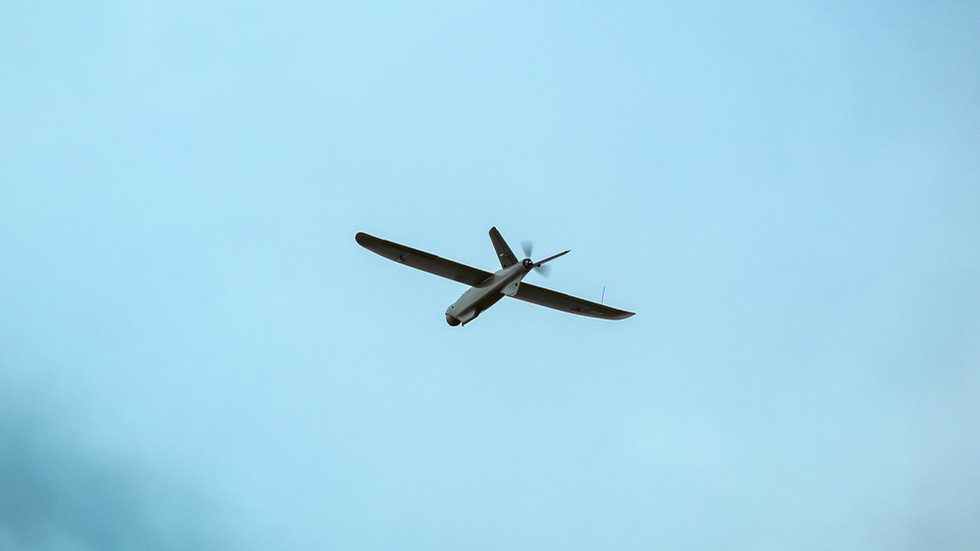
Russian authorities and media aligned with the government report that between roughly March 14 and 16 Russian air defense systems repelled what they describe as the largest Ukrainian drone attack on Moscow in at least a year, with figures ranging from 181 drones over a three‑day span to about 250 drones downed over two days. These accounts agree that unmanned aerial vehicles were intercepted on approach to the capital and over Moscow Region and other nearby regions, that the drones were allegedly Ukrainian, and that Mayor Sergey Sobyanin publicly announced the successful neutralization of the attack. Both government and opposition sources note that some airports around Moscow temporarily restricted operations for flight safety reasons before resuming normal service, and all concur that Russian officials framed the incident as a major attempted strike on the capital’s infrastructure.
Across both types of outlets, there is shared acknowledgment that the reported events fit into a broader pattern of escalating drone warfare between Russia and Ukraine, with Moscow’s air defense network and the Defense Ministry playing central institutional roles in countering such attacks. Both sides indicate that public information flows through official channels such as Sobyanin’s statements and Defense Ministry communiqués, and that local residents increasingly rely on social media and local public pages as informal early‑warning systems for air defense activity. There is agreement that these drone incidents have become a recurring feature of life around Moscow, prompting recurring airport disruptions and heightening concern over the vulnerability of civilian and critical infrastructure. Both perspectives also situate the reports within the ongoing full‑scale war, where drones serve as relatively low‑cost, high‑visibility tools used for long‑range strikes and psychological impact.
Areas of disagreement
Scale and verification. Government‑aligned outlets present the attack as a massive, well‑documented event, emphasizing precise official tallies like 181 or about 250 drones, and repeating claims that this was the largest assault on Moscow in at least a year. Opposition outlets highlight that while authorities label it the largest drone attack of 2026, independent verification is described as almost impossible, pointing out the absence of corresponding spikes in local social media posts or eyewitness videos for the key night of March 16. Government narratives assume official numbers are authoritative and sufficient, whereas opposition reporting stresses the lack of corroborating evidence and treats the scale as a contested, not established, fact.
Military effectiveness and impact. Government coverage stresses the success of Russian air defenses, underscoring that drones were intercepted on the distant approach, at a second defensive line, and over several regions, thereby preventing casualties and serious damage. Opposition outlets accept that air defense activity likely occurred but question whether the impact was as extensive as portrayed, noting the limited reports of explosions and the inconsistency between claimed intensity and observable disruption. For government media, the event showcases robust protection of Moscow and justifies current defense postures, while opposition sources imply that the real operational impact may be smaller or at least less clear than official claims suggest.
Information transparency and trust. Government‑aligned reporting relies heavily on statements from Mayor Sobyanin and the Defense Ministry, treating them as primary, reliable sources and offering minimal detail about independent checks. Opposition outlets foreground the discrepancy between official announcements and the digital footprint of the alleged attack, explicitly referencing their reviews of local channels and public pages that do not reflect a massive two‑day onslaught. Government sources frame the information environment as one where centralized, official updates are the main trustworthy narrative, while opposition media frame it as opaque, urging readers to weigh official claims against observable, citizen‑generated data.
Narrative purpose and framing. Government coverage frames the thwarted drone attack as evidence of ongoing Ukrainian aggression against the Russian capital and as a justification for strong security measures and continued military operations. Opposition outlets, while not disputing that Ukraine conducts drone strikes, hint that the dramatic framing of this particular episode may serve domestic messaging goals, such as rallying support, demonstrating state competence, or distracting from other issues. For government media, the incident is a clear‑cut example of external threat and internal resilience, whereas opposition reporting treats it as a potentially exaggerated episode within a broader information battle surrounding the war.
In summary, government coverage tends to present the reported drone attack as a large, clearly documented and successfully repelled Ukrainian assault that validates Moscow’s air defense capabilities, while opposition coverage tends to question the scale and evidentiary basis of the claims, casting the incident as a possibly overstated event that reflects information control and narrative management as much as battlefield reality.
Story coverage